
Unlocking the Enigma
15 Mind-Blowing Psychological Facts That Redefine Human Behavior
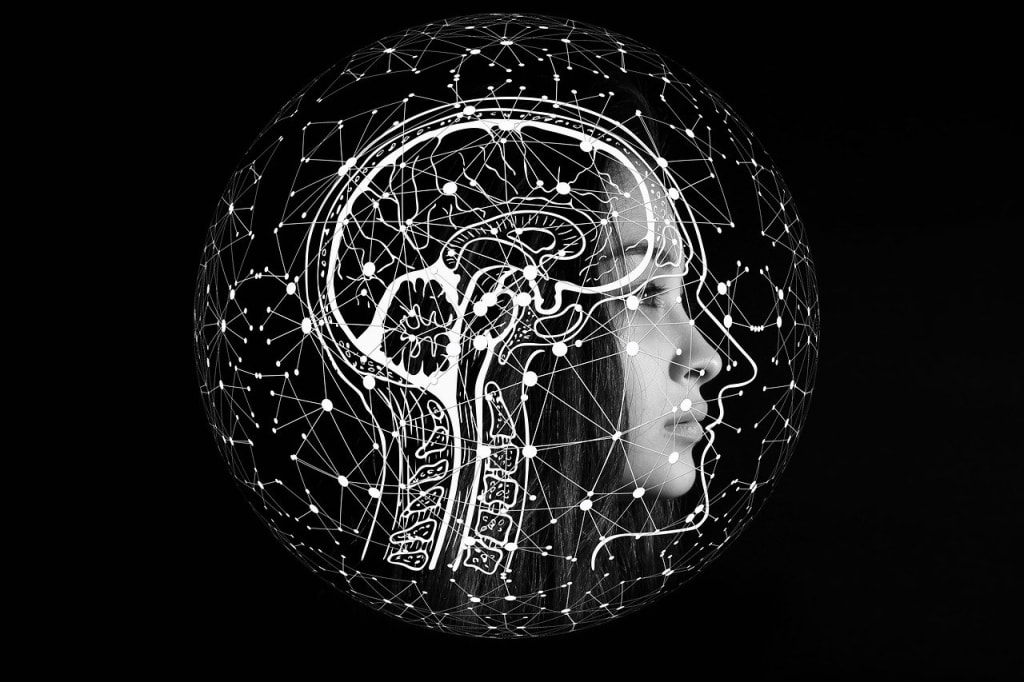
The human mind is a labyrinth of complexities that has captivated researchers for centuries. In the realm of psychology, scientists delve into the science of the mind and behavior, uncovering fascinating insights that help us comprehend why we are the way we are. From the contagious nature of yawns to the power of personal connections, each discovery offers a glimpse into the enigmatic world of human behavior. In this article, we embark on a mind-blowing journey as we explore 15 captivating psychological facts that shed light on the intricacies of our psyche and how they shape our experiences.
1. The Paradox of Overplanning
In our pursuit of success, meticulous planning seems like a rational approach. However, research has shown that people who overplan and rely heavily on backup strategies often perform worse than those who take a more flexible approach. This finding is tied to Expectancy Theory, which emphasizes the importance of motivation based on the belief in one's ability to succeed. Striking the right balance between preparedness and action is key to achieving our goals effectively.
2. Contagious Yawns: A Surprising Connection
Yawning is not merely a sign of fatigue; it also reveals a subtle form of empathy. Studies have shown that yawns can be contagious, with individuals mimicking the yawns of others. This phenomenon, known as "response yawns," highlights our innate ability to connect with others emotionally. Understanding this intriguing aspect of human behavior offers a deeper appreciation for our capacity to bond with those around us.
3. The Power of Personal Connection
When it comes to charitable giving, a single individual's story has a profound impact on our generosity. Research reveals that people are more likely to donate when they feel a personal connection to a specific person in need, rather than being presented with statistics about widespread suffering. This empathy-driven response reflects the deep emotional bonds that drive us to make a difference in someone's life.
4. Memory Bias: The Influence of Position
Ever noticed that you tend to remember the beginning and end of a list more easily than the middle? This phenomenon, known as the Serial-Position Effect, demonstrates our memory bias. Our brains prioritize information at the start and end, making them more accessible, while details in the middle become hazy. Understanding this cognitive quirk can help us optimize our learning and retention capabilities.
5. Balancing Positivity and Negativity
Our brains have a natural inclination to focus on negative experiences, a phenomenon called the Negativity Bias. To counterbalance this predisposition, experts recommend aiming for a ratio of five positive experiences to every negative one. Embracing gratitude and directing our attention to positive aspects can foster emotional well-being and resilience in the face of challenges.
6. The Culinary Magic of Others' Cooking
Have you ever noticed that food tastes better when someone else prepares it, even if they are not a professional chef? Research attributes this phenomenon to the element of surprise and shared experience. The anticipation and excitement of tasting a dish prepared by someone else enhance our enjoyment of the meal.
7. The Dread of Uncertainty
Knowing that something bad is going to happen can be less anxiety-inducing than living with uncertainty. Our brains strive for predictability, and when faced with uncertainty, they engage in overthinking and predicting various outcomes. This preference for certainty reflects our desire for control and stability.
8. The Rebellious Urge of Reactance
The psychological phenomenon of Reactance explains why individuals might feel an urge to break rules or rebel when they sense their freedoms are being limited. This tendency is particularly evident in teenagers, as they push back against strict restrictions, seeking to regain their perceived autonomy.
9. Cute Aggression: The Balance of Overwhelming Emotions
The overwhelming cuteness of puppies and babies can trigger a curious response known as Cute Aggression. This seemingly contradictory reaction, where we feel the urge to squeeze or cuddle adorable beings, balances out intense positive emotions, preventing us from being overly gentle and inadvertently harming them.
10. The Influence of Confirmation Bias
Confirmation Bias influences how we interpret facts, causing us to seek out information that aligns with our existing beliefs while rejecting contradictory evidence. Remaining open-minded and actively seeking diverse perspectives can help us overcome this cognitive bias.
11. Nostalgia for High School Music
The music we connect with during our teenage years leaves an indelible mark on our emotional landscape. The release of dopamine and feel-good chemicals triggered by familiar tunes explains our enduring nostalgia for the music of our formative years.
12. Memory Reconstruction: Filling in the Blank
Memories are more like pieced-together pictures than accurate snapshots of events. Our brains sometimes fill in gaps with incorrect details, leading to the creation of false memories. Understanding this phenomenon can help us approach our memories with a critical perspective.
13. The Allure of Human Faces
Our brains have a predisposition to recognize human faces even in random or ambiguous patterns, a phenomenon known as Pareidolia. This fascinating aspect of our social nature highlights the importance of facial recognition for our interactions with others.
14. The Pygmalion Effect: The Power of Expectations
High expectations can significantly influence performance, known as the Pygmalion Effect. When individuals are believed to have high potential, they tend to rise to meet those expectations, showcasing the impact of positive reinforcement on personal growth.
15. Time Perception and Deadline Procrastination
Our brains often prioritize short-term deadlines over long-term ones. As a result, we might procrastinate on projects with distant deadlines, leading to a last-minute scramble to complete them. Understanding this aspect of time perception can help us manage our time more effectively.
About the Creator
Keep reading
More stories from Christina Moody and writers in Humans and other communities.
The Perfect Marriage: Nurturing Love, Trust, and Happiness
Love, trust, and happiness—these three cornerstones are often considered the foundation of a perfect marriage. While no union is entirely without its challenges, a healthy and fulfilling marriage relies on continuous effort, open communication, and mutual support. In this article, we delve into the essential elements that contribute to a lasting and harmonious partnership. Whether you are newlyweds embarking on a lifelong journey together or seasoned couples looking to enrich your relationship, the key ingredients for a perfect marriage are within your grasp.
By Christina Moody2 years ago in Humans
The CEO of Everything
They say "jack of all trades, master of none," but they forgot to mention the part where the jack of all trades is also the camera woman, the makeup artist, and the person currently yelling at a tangled Wii microphone cable in a her own bathroom while recording herself singing and trying to make it look realistic and professional. (As professional as you can make it with nothing but a cell phone camera and a mic that doesn't work)
By Sara Wilson4 days ago in Humans
The Sound of Rain
The first thing I noticed was the sound. Not the gentle, polite drizzle that whispers against windows, but a persistent, almost stubborn rainfall that seemed determined to be heard. It filled the room with its insistent rhythm, a sound both familiar and strange, as if it were trying to tell me something I had long forgotten. I sat on the edge of my bed, laptop abandoned on my knees, and let it wash over me.
By Salman Writesabout 23 hours ago in Humans
How to Succeed at the Benson Directory®
Congratulations and welcome to the Benson Directory® employee #22391! As our newest call handler, you will have the privilege of speaking with dozens of unique and interesting people on a daily basis as well as the opportunity to earn bonuses for high performance. Contained within this handbook you will find a set of ease to follow instructions designed to help you settle in to your new role and begin paving the way to success.
By S. A. Crawford4 days ago in Fiction




Comments
There are no comments for this story
Be the first to respond and start the conversation.