
Understanding Commercial Kitchen Fire Suppression Systems
A Safety Reminder
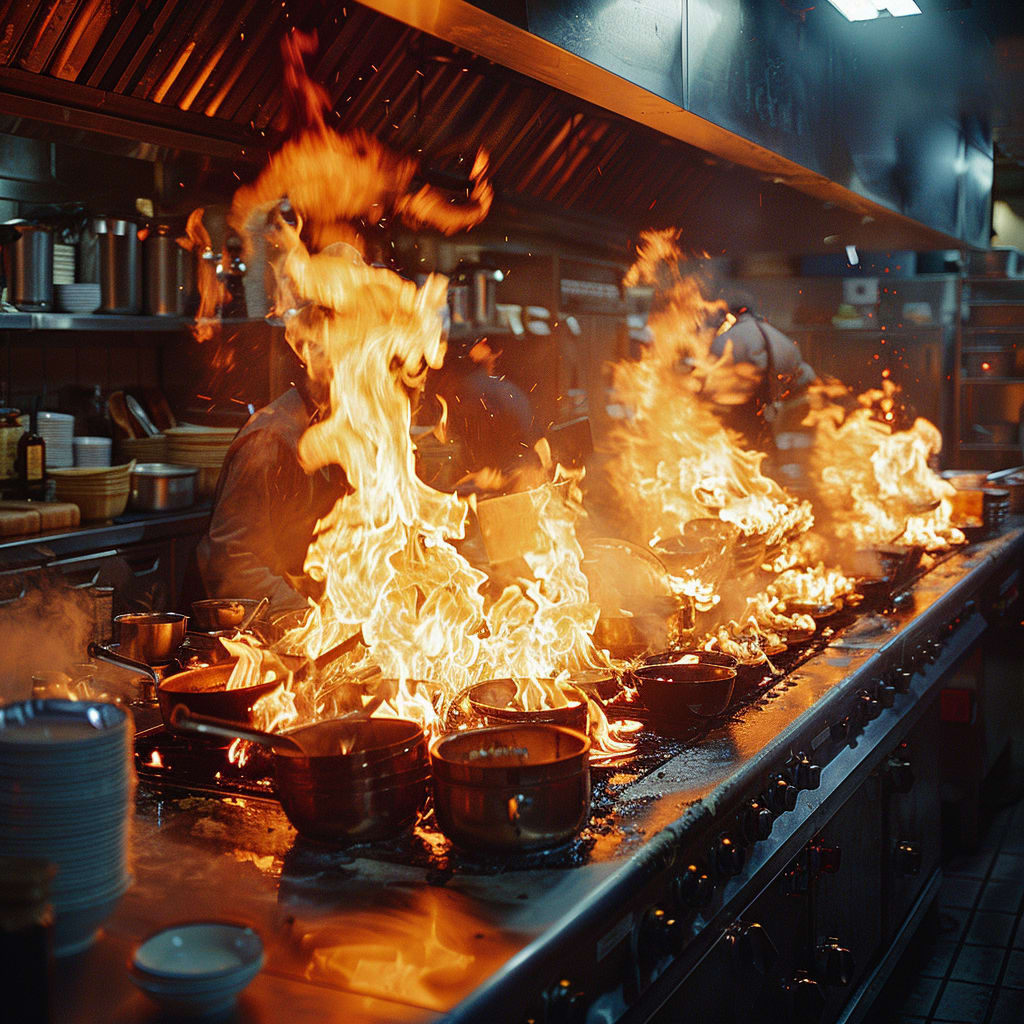
Commercial kitchens are bustling environments where the risk of fire is a significant concern. The combination of high heat, flammable materials, and intense activity makes these spaces particularly vulnerable to fire hazards. To safeguard against such risks, commercial kitchen fire suppression systems play a crucial role. This article explores the importance, types, and benefits of these systems, highlighting why they are essential for any commercial kitchen.
The Importance of Fire Suppression in Commercial Kitchens
Fire suppression systems are vital in commercial kitchens due to the high risk of fires caused by cooking processes. Deep fryers, stoves, and grills generate intense heat and often involve the use of flammable oils and grease, which can easily ignite. The potential for fire spreading quickly is high, making it essential to have a reliable fire suppression system in place. These systems are designed not only to detect and extinguish fires but also to minimize damage, protect staff, and ensure business continuity. Without such systems, a fire could lead to devastating losses, including damage to property, loss of equipment, and potential harm to employees.
How Fire Suppression Systems Work
Fire suppression systems in commercial kitchens typically operate through a combination of detection, suppression, and notification mechanisms. These systems are equipped with sensors and alarms that detect the presence of heat or smoke. When a fire is detected, the system activates automatically, releasing an extinguishing agent that is specifically designed to combat kitchen fires. These agents can include wet chemicals, dry chemicals, or a combination of both. The suppression system works by quickly extinguishing the fire and cooling the surrounding area to prevent re-ignition. Additionally, many systems are integrated with ventilation controls to shut down kitchen equipment and ventilation fans, further reducing the risk of fire spreading.
Types of Commercial Kitchen Fire Suppression Systems
There are several types of fire suppression systems used in commercial kitchens, each suited to different needs and types of cooking equipment. One of the most common systems is the wet chemical fire suppression system. This system uses a wet chemical agent that is effective in extinguishing fires caused by cooking oils and fats. The wet chemical agent works by forming a soapy foam on the surface of the burning oil, which cools the fire and prevents re-ignition. This type of system is especially useful in deep fryers and other high-temperature cooking equipment.
Another type is the dry chemical fire suppression system, which uses dry chemicals such as potassium bicarbonate or sodium chloride to extinguish fires. These systems are effective in a wide range of fire scenarios, including those involving flammable liquids and electrical fires. Dry chemical systems work by interrupting the chemical reaction of the fire, effectively stopping it in its tracks.
In addition to these, there are also clean agent systems that use non-toxic gasses to suppress fires. These systems are ideal for environments where sensitive equipment or electronics are present, as they leave no residue and are safe for use around electrical fires. Clean agent systems are less common in kitchens but can be beneficial in specialized areas within commercial kitchens where electronics or other sensitive equipment are used.
Benefits of Installing a Fire Suppression System
Installing a commercial kitchen fire suppression system offers numerous benefits. One of the primary advantages is enhanced safety for kitchen staff and patrons. By quickly detecting and suppressing fires, these systems reduce the risk of injury and ensure a safer working environment. Additionally, having a fire suppression system can minimize damage to the kitchen and its equipment. Fires that are quickly controlled are less likely to cause extensive damage, reducing repair and replacement costs.
Another significant benefit is compliance with fire safety regulations. Many jurisdictions require commercial kitchens to have fire suppression systems in place to meet local building codes and insurance requirements. Installing a compliant system not only ensures adherence to regulations but also helps avoid potential fines or legal issues.
Furthermore, fire suppression systems contribute to business continuity. A fire can disrupt operations and lead to costly downtime. By effectively managing and controlling fires, these systems help keep the kitchen operational and minimize the impact on business activities. This can be crucial for maintaining customer trust and financial stability.
Maintaining and Testing Fire Suppression Systems
Proper maintenance and regular testing are essential for ensuring that fire suppression systems remain effective. Routine inspections should be conducted to check for any signs of wear and tear, ensure that the system is functioning correctly, and verify that all components are in good condition. Many fire suppression systems require annual servicing by a professional to ensure they meet the necessary standards and regulations.
Additionally, it is important for kitchen staff to be trained on the operation of the fire suppression system. They should know how to respond in the event of a fire, including how to activate the system manually if needed. Regular drills and training sessions can help ensure that everyone is prepared and knows what steps to take in an emergency.
Choosing the Right Fire Suppression System
Selecting the appropriate fire suppression system for a commercial kitchen involves considering various factors, including the type of cooking equipment, the layout of the kitchen, and specific fire risks. Consulting with a fire safety professional can help determine the most suitable system for your needs. They can assess the kitchen environment, recommend the best type of suppression system, and ensure that it is installed and maintained correctly.
When choosing a fire suppression system, it is also important to consider factors such as ease of maintenance, cost, and compliance with local regulations. Investing in a high-quality system and ensuring its proper upkeep can provide peace of mind and protect your kitchen from the potentially devastating effects of a fire.
Conclusion
In conclusion, commercial kitchen fire suppression systems are a critical component of fire safety and risk management. They provide essential protection against the unique fire hazards present in a kitchen environment, ensuring the safety of staff and minimizing damage to property. By understanding the different types of systems, their benefits, and the importance of regular maintenance, commercial kitchen operators can make informed decisions to protect their business and maintain a safe working environment. Investing in a reliable fire suppression system is not just a regulatory requirement but a crucial step in safeguarding your kitchen against the threat of fire.
About the Creator
Keep reading
More stories from Ethan Blake and writers in Humans and other communities.
Mobile Veterinary Services for Livestock
Mobile veterinary services for livestock, including cows, horses, llamas, pigs, and equine dentistry, are becoming increasingly popular among farmers and livestock owners. These services offer a convenient and accessible way to ensure the health and well-being of animals without the need for transport to a veterinary clinic. As more veterinarians expand their practice to offer on-site care, mobile veterinary services are becoming an essential aspect of modern livestock management.
By Ethan Blake2 years ago in Petlife
Are We Shifting to a 5D Planet? Signs You Are Already Living in Higher Consciousness.
In recent years, a growing chorus of spiritual thinkers, channelers, and everyday people has been buzzing about a profound transformation sweeping across our planet. This isn't just another trend in wellness or self-help; it's a fundamental shift in the very fabric of reality. We're talking about the ascension from a 3D (third-dimensional) existence—rooted in duality, fear, separation, and material focus—to a 5D (fifth-dimensional) state of being, characterized by unity, unconditional love, intuition, abundance, and co-creation. But is this shift really happening? And if so, how can you tell if you're already tuning into this higher frequency?
By Wilson Igbasi3 days ago in Humans



Comments
There are no comments for this story
Be the first to respond and start the conversation.