
Understanding and Managing Anxiety: Practical Techniques for Relief
Unleashing the Power Within, One Breath at a Time

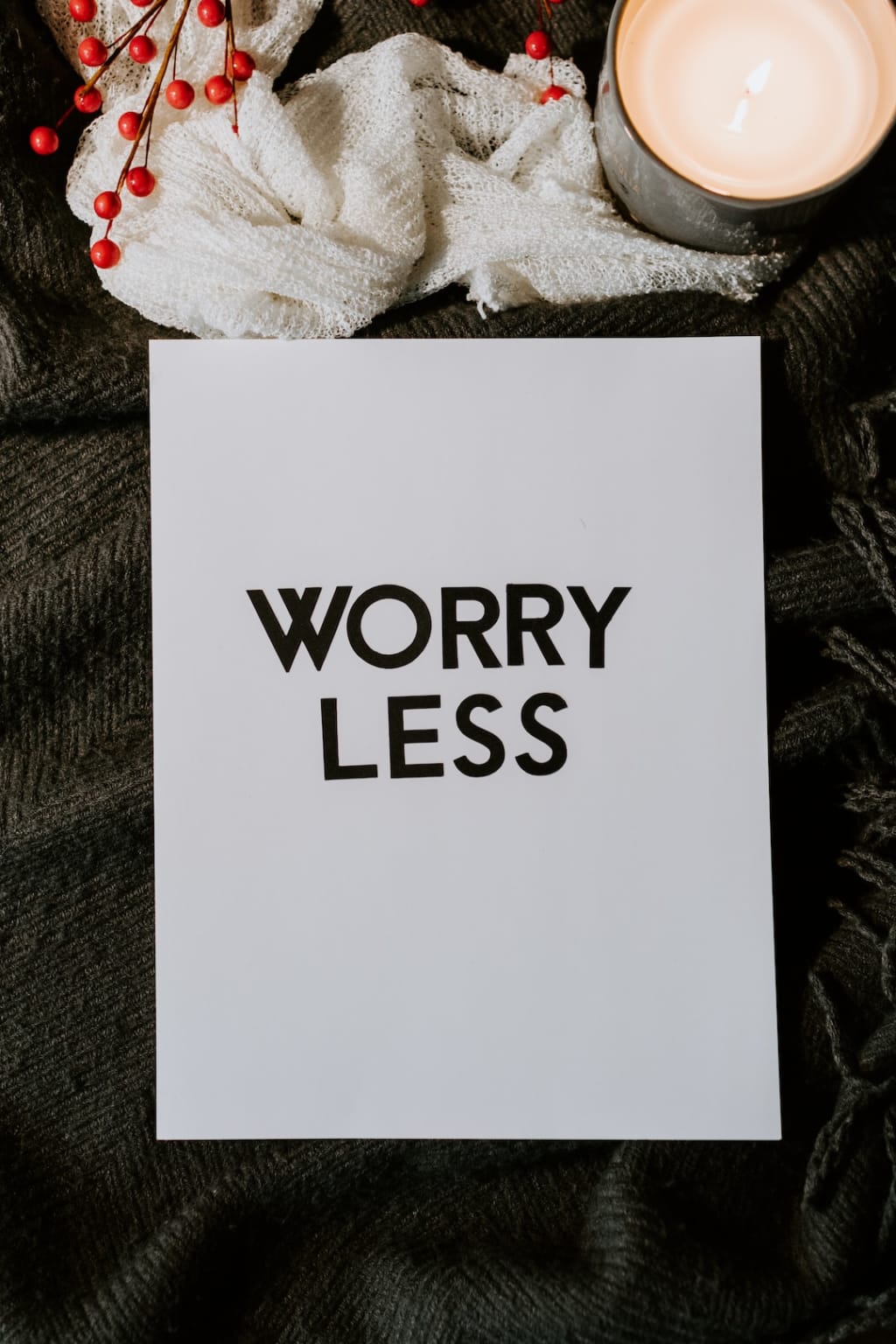
Anxiety is a prevalent and often overwhelming mental health condition that affects countless individuals worldwide. Its impact can range from interfering with daily life to hindering personal relationships and overall well-being. In this comprehensive guide, we will delve deep into the intricacies of anxiety, exploring its causes, symptoms, and consequences. Moreover, we will provide practical techniques and strategies for effectively managing and alleviating anxiety. Rooted in evidence-based practices, this article aims to empower individuals to understand, confront, and conquer their anxiety, leading to a more balanced and fulfilling life.
Understanding Anxiety: Causes, Types, and Symptoms:
This section will lay the foundation by providing a comprehensive understanding of anxiety. We will explore its potential causes, including genetic and environmental factors, and examine different types of anxiety disorders such as generalized anxiety disorder (GAD), panic disorder, social anxiety disorder, and more. Additionally, we will delve into the various symptoms associated with anxiety and discuss how they can manifest both mentally and physically.
Recognizing and Coping with Anxiety Triggers:
Identifying triggers is a crucial step in managing anxiety effectively. We will discuss common triggers such as stress, trauma, and certain environments, and provide practical techniques for recognizing and coping with these triggers. By gaining awareness and implementing coping strategies, individuals can gain control over their anxiety responses.
Building a Toolbox: Practical Techniques for Anxiety Relief:
This section will serve as a comprehensive toolbox for managing and relieving anxiety. We will explore evidence-based strategies such as cognitive-behavioral therapy (CBT), mindfulness-based stress reduction (MBSR), relaxation techniques, deep breathing exercises, and progressive muscle relaxation. Additionally, we will delve into the role of exercise, nutrition, and sleep in anxiety management, offering practical tips for incorporating these elements into daily life.
Challenging Negative Thoughts and Beliefs:
Negative thoughts and beliefs often fuel anxiety. We will explore cognitive restructuring techniques, including identifying and challenging irrational thoughts, reframing negative beliefs, and developing a more positive and realistic mindset. By altering our thought patterns, we can significantly reduce anxiety levels and improve overall well-being.
Lifestyle Modifications for Anxiety Reduction:
This section will delve into various lifestyle modifications that can contribute to anxiety reduction. We will explore stress management techniques, establish healthy boundaries, incorporate relaxation activities, and foster social support networks. By making intentional changes in lifestyle and environment, individuals can create a supportive atmosphere conducive to anxiety relief.
Seeking Professional Help: Therapy and Medication:
While self-help techniques can be effective for many, some individuals may require professional assistance. We will discuss the importance of seeking help from mental health professionals, including various therapy options such as CBT, exposure therapy, and medication management. Additionally, we will address the stigma surrounding seeking help and emphasize the importance of reaching out for support.
Nurturing Self-Care and Emotional Well-being:
Self-care plays a vital role in managing anxiety. We will emphasize the significance of self-care practices, such as maintaining a healthy lifestyle, engaging in activities that bring joy, practicing mindfulness, and fostering healthy relationships. Prioritizing self-care can significantly contribute to long-term anxiety relief.
Managing and alleviating anxiety is a complex journey that requires understanding, patience, and the implementation of effective strategies. By comprehending the causes and symptoms of anxiety, building a diverse toolbox of practical techniques, challenging negative thoughts and beliefs, making lifestyle modifications, seeking professional help when necessary, and prioritizing self-care and emotional well-being, individuals can take significant steps towards managing their anxiety and reclaiming control over their lives. Remember, managing anxiety is a continuous process, and it may require trial and error to find what works best for you. With the right knowledge, support, and dedication, it is possible to navigate the challenges of anxiety and experience a life characterized by calm, balance, and renewed well-being.
About the Creator
Lily J
Love Yourself 💜
Whiskey At Dusk
Guess the whiskey was more important to you in the end, wasn’t it? It was more than the well-being of your friends; more vital than showing up to the places you promised you would and could come to; more critical of a matter than fulfilling your damn responsibilities and getting the press off your back.
By Snarky Lisaa day ago in Humans
When the Algorithm Learned to Love part 7
The Choice That Breaks the System Dr. Voss did not speak for a long time. He stood there, staring at the screen as if he was trying to force the words to disappear by sheer will. The hidden channel, the messages, the proof of something beyond code—everything sat in the room like a weight.
By Ahmed aldeabella5 days ago in Humans



Comments
There are no comments for this story
Be the first to respond and start the conversation.