
Understand Your Potential.
The Power of Knowing Yourself
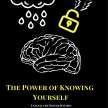

When we talk about potential, we’re discussing the latent qualities or abilities that may be developed and lead to future success or usefulness. Potential is like a seed—it contains within it the possibility of growth, but it needs the right environment, care, and attention to flourish.
For young adults, understanding potential is crucial because it helps you to see beyond your current circumstances. It allows you to envision what you could become if you nurture your talents, take the right steps, and remain committed to your personal growth.
But potential isn’t something that only a select few possess. Everyone has potential. The key lies in recognizing it, believing in it, and taking deliberate actions to develop it. This chapter will guide you through the process of understanding your own potential, recognizing your strengths and weaknesses, and embracing a growth mindset that will empower you to make the most of your abilities.
Recognizing Your Strengths
The first step in realizing your potential is to identify your strengths. Strengths are the attributes, skills, and talents that come naturally to you or that you have developed through practice. They are the things you do well and that set you apart from others. Recognizing these strengths is essential because they form the foundation upon which you can build your future.
Self-Reflection: Start by reflecting on your experiences. What activities or subjects have you excelled in? What do people often compliment you on? Consider the tasks that you find easy and enjoyable to do—these are often areas where your strengths lie.
Feedback from Others: Sometimes, others can see our strengths more clearly than we can. Don’t hesitate to ask friends, family, or mentors what they perceive to be your greatest strengths. Their feedback can provide valuable insights and might even reveal strengths you weren’t aware of.
Strengths Assessment Tools: There are various tools and assessments available that can help you identify your strengths. For example, the Clifton Strengths assessment is a well-known tool that categorizes strengths into themes, helping you understand where you excel and how you can leverage those strengths in different areas of your life.
Acknowledging Your Weaknesses
Understanding your potential isn’t just about knowing your strengths; it’s also about being aware of your weaknesses. Everyone has areas where they struggle or where their skills aren’t as developed. Acknowledging these weaknesses isn’t about putting yourself down; it’s about gaining a realistic understanding of where you might need to put in extra effort or seek help.
Self-Awareness: Self-awareness is the ability to recognize and understand your emotions, thoughts, and behaviors. It’s crucial for personal development because it allows you to identify not only your strengths but also the areas where you need improvement. To build self-awareness, try keeping a journal where you reflect on your daily experiences, noting any challenges you faced and how you responded to them.
Learning from Failure: One of the most powerful ways to understand your weaknesses is through failure. When you encounter setbacks, take the time to analyze what went wrong. Was it a lack of knowledge, a skill deficit, or maybe an emotional reaction that hindered your success? By understanding the reasons behind your failures, you can pinpoint areas for growth.
Turning Weaknesses into Strengths: Once you’ve identified your weaknesses, you can start working on them. Some weaknesses can be turned into strengths with practice and perseverance. For instance, if public speaking is a weakness, joining a club like Toastmasters can help you improve and eventually become a confident speaker. Other weaknesses may need to be managed rather than transformed, and that’s okay too. The key is to be aware of them and not let them hold you back.
The Growth Mindset: Unlocking Your True Potential
At the heart of understanding and realizing your potential is the concept of the growth mindset. A growth mindset, as defined by psychologist Carol Dweck, is the belief that your abilities and intelligence can be developed through dedication, hard work, and learning. This mindset contrasts with a fixed mindset, where people believe that their abilities are static and unchangeable.
Embracing Challenges: A growth mindset encourages you to embrace challenges rather than avoid them. Challenges are opportunities to learn and grow. When you encounter something difficult, instead of thinking “I’m not good at this,” try shifting your mindset to “I’m not good at this yet.” This simple change in perspective can make a huge difference in how you approach learning and growth.
The Power of “Yet”: Adding the word “yet” to your self-talk is a powerful way to reinforce a growth mindset. Instead of saying, “I can’t do this,” say, “I can’t do this yet.” This subtle shift reminds you that your current abilities are not fixed and that with time and effort, you can improve.
Learning from Criticism: In a fixed mindset, criticism is often viewed as a personal attack. However, in a growth mindset, criticism is seen as valuable feedback that can help you improve. When you receive constructive criticism, try to see it as an opportunity to learn and grow, rather than a reflection of your worth.
Effort as a Path to Mastery: People with a growth mindset understand that effort is necessary for improvement. They see hard work as a path to mastery, not as a sign of inadequacy. By putting in consistent effort, you can develop new skills, overcome challenges, and continue to grow your potential.
Setting Goals Aligned with Your Potential
Once you’ve recognized your strengths and weaknesses and embraced a growth mindset, the next step is to set goals that align with your potential. Goals give you direction and help you focus your efforts on what truly matters.
SMART Goals: A popular framework for setting goals is the SMART criteria, which stands for Specific, Measurable, Achievable, Relevant, and Time-bound. SMART goals are clear, realistic, and have a defined timeline, making them easier to track and achieve.
1. Specific: Your goals should be clear and specific. Instead of setting a vague goal like “I want to be successful,” define what success looks like to you. For example, “I want to graduate with honors in my field of study.”
2. Measurable: Your goals should have measurable outcomes so you can track your progress. For example, if your goal is to improve your fitness, you might measure it by aiming to run a certain distance within a specific time frame.
3. Achievable: While it’s important to challenge yourself, your goals should still be realistic. Setting unattainable goals can lead to frustration and disappointment. Consider your current resources and constraints and set goals that push you without being impossible.
4. Relevant: Your goals should align with your broader life objectives and values. Ask yourself if the goal you’re setting is truly important to you or if it’s something you feel pressured to achieve by others.
5. Time-bound: Setting a deadline for your goals creates a sense of urgency and helps you stay focused. For example, “I want to save $1,000 within six months” is a time-bound goal that gives you a clear timeframe to work within.
Developing a Plan of Action
Setting goals is important but achieving them requires a plan of action. A goal without a plan is just a wish. Once you’ve defined your goals, break them down into smaller, manageable steps. These steps should be specific actions you can take to move closer to your goal.
Prioritizing Tasks: Not all tasks are created equal. Some will have a greater impact on achieving your goal than others. Use prioritization techniques, like the Eisenhower Matrix (which categorizes tasks based on urgency and importance), to determine which tasks to focus on first.
Creating a Timeline: A timeline helps you stay on track and ensures you’re making consistent progress toward your goal. Outline the steps you need to take and assign deadlines to each one. Regularly review your timeline to make sure you’re on track and adjust as needed.
Staying Motivated: Maintaining motivation over the long term can be challenging, especially when pursuing ambitious goals. To stay motivated, remind yourself why the goal is important to you, visualize the outcome, and celebrate small wins along the way. Surround yourself with supportive people who encourage you and hold you accountable.
About the Creator
The Power Of Knowing Yourself
I will help you, help me. Unlock The Power of Knowing Yourself Today!
Keep reading
More stories from The Power Of Knowing Yourself and writers in Humans and other communities.
The Power of Knowing Yourself.
Welcome to what could be one of the most transformative journeys of your life. This book is not just a guide; it's a companion that will walk alongside you as you explore the depths of your potential, navigate the complexities of life, and ultimately shape a future that aligns with your truest self.
By The Power Of Knowing Yourselfabout a year ago in Humans
Golden Globes 2026 Reflect a Changing Hollywood Awards Night
Award shows often feel distant from everyday life, but every so often, one night captures a deeper mood. The Golden Globes 2026 did exactly that. It was not just about trophies or fashion. It was about where Hollywood stands right now. Audiences are changing. Stories are changing. Expectations are changing too. This ceremony felt quieter in some ways, yet heavier with meaning. There was pride, discomfort, nostalgia, and uncertainty all sharing the same room. The Golden Globes have always been a mirror of the industry, and in 2026, that mirror showed both growth and lingering cracks. To understand why this night mattered, we need to look beyond the red carpet and into what the evening truly revealed.
By Muqadas khan3 days ago in Humans


Comments
There are no comments for this story
Be the first to respond and start the conversation.