
U.S. reports cases of new COVID variant NB.1.8.1 behind surge in China.
It's a significant matter for whole world.
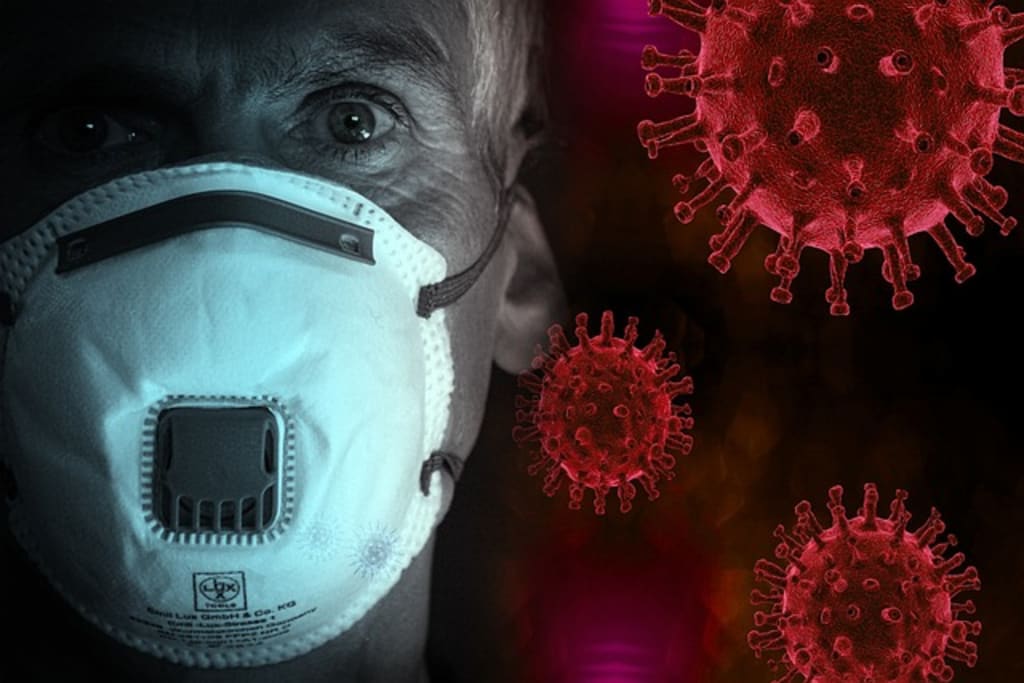
As the world continues to navigate the evolving landscape of COVID-19, a new subvariant, NB.1.8.1, has emerged as a growing concern. Recently detected in the United States, this strain is believed to be driving a fresh wave of infections in China, raising alarms among global health experts. Scientists are keeping a close eye on how its rapid spread and potential immune evasion properties will affect public health and vaccine efficacy. Emergence of NB.1.8.1 and Its Spread in China
The NB.1.8.1 subvariant is an offshoot of the Omicron lineage, which has dominated COVID-19 cases worldwide since late 2021. Reports from China indicate that this strain is contributing to a sharp rise in infections, particularly in densely populated urban areas. Hospitals in major cities like Beijing and Shanghai have reported increased admissions, though Chinese health authorities claim that severe cases remain relatively low compared to previous waves.
The variant’s rapid spread has reignited debates over China’s "zero-COVID" policy, which was abruptly lifted in late 2022 after widespread protests. Since then, the country has experienced multiple waves of infections, with NB.1.8.1 now becoming one of the dominant strains.
Detection in the United States
The U.S. Centers for Disease Control and Prevention (CDC) has confirmed several cases of NB.1.8.1 across multiple states. While the numbers remain relatively low compared to other circulating variants like JN.1, health officials are wary of its potential to fuel another surge, especially as winter approaches.
Dr. Maria Van Kerkhove, the World Health Organization’s (WHO) COVID-19 technical lead, has emphasized the need for enhanced surveillance to track the variant’s transmission and mutation patterns. “We are seeing an increase in cases linked to this subvariant, and while it’s not yet a global threat, we must remain vigilant,” she stated in a recent briefing.
Is NB.1.8.1 More Dangerous?
Early data suggests that NB.1.8.1 may have increased immune evasion capabilities, meaning it could bypass antibodies from prior infections or vaccinations. However, there is no evidence yet that it causes more severe illness than previous Omicron subvariants.
Key characteristics of NB.1.8.1 include:
- Higher transmissibility – Early reports suggest it spreads faster than earlier Omicron strains.
- Potential immune escape: Studies in the laboratory indicate that it may evade some antibody responses, reducing the effectiveness of the vaccine. - Similar severity – So far, hospitalizations have not spiked dramatically, but vulnerable populations (elderly, immunocompromised) remain at risk.
Can NB.1.8.1 be prevented by current vaccines? The latest mRNA vaccines (2023-2024 formulations) target the XBB.1.5 variant, which shares some similarities with NB.1.8.1. While experts believe these updated shots will still provide some protection, their effectiveness against this new subvariant is still under study.
Dr. Anthony Fauci, former director of the National Institute of Allergy and Infectious Diseases (NIAID), has urged high-risk individuals to get boosted. He remarked, "Even if the vaccine doesn't completely block infection, it can still reduce serious outcomes." Global Response and Travel Concerns
With China experiencing a surge, some countries have reinstated travel-related testing requirements. The United States of America is monitoring incoming travelers for signs of the variant but has not yet imposed any restrictions. The WHO has called for increased genomic sequencing to detect new variants early. “The more we sequence, the better we can respond,” said Dr. Tedros Adhanom Ghebreyesus, WHO Director-General.
What Should the Public Do?
Health experts recommend the following precautions:
- Get the updated COVID-19 vaccine (if eligible).
- Wear masks when you are in crowded indoor areas, especially during the peak season for respiratory viruses. - Test if symptomatic to prevent further spread.
- Stay informed about local transmission trends.
Conclusion
The emergence of NB.1.8.1 underscores the ongoing evolution of COVID-19 and the need for sustained vigilance. The variant's rapid spread in China and detection in the United States highlight the interconnected nature of global health, despite the fact that it does not appear to be more lethal. As scientists gather more data, public health measures—including vaccination and surveillance—will remain crucial in mitigating its impact.
For the time being, the best defense is to stay up to date on boosters and take the recommended precautions to lessen the risk of transmission. The world has come a long way since 2020, but COVID-19 continues to remind us that adaptability and preparedness are key in facing emerging threats.
About the Creator
Keep reading
More stories from writers in Humans and other communities.
Time to change your life.
Is it even possible for you to change your life? A lot of people, more than there should be, are unhappy with their lives. But what are they doing about it? Usually nothing. People talk about how shitty their lives are and want change, but are they not taking the actions to change?
By Jen Phillips7 days ago in Humans
A Dying Voice
I could be writing this differently. In fact, I contemplated structuring it as a letter to myself when I first joined Vocal, filling it with warnings and a list of all the ways I’d come to regret publishing here. Then, I considered the tone of such an address and saw it bursting with sarcasm and bite. I don’t want to write that.
By Mackenzie Davis3 days ago in Humans
Choose Your Own Adventure: St Helena Station
*****Preface***** I have been obsessed with Choose Your Own Adventure stories since I was a kid. I credit them with my love of reading and writing. I've been struggling to get my own kids to embrace words the same way I have but they love video games and our occasional Dungeon's and Dragon's game... which gave me an idea. I'll write an interactive story. So far its working; my middle son loves it and can't wait for the next section to come out.
By Sandor Szabo3 days ago in Fiction




Comments
There are no comments for this story
Be the first to respond and start the conversation.