
Twin Flame: When Pursuit Crosses the Line into Obssession


The distinction between twin flame attraction and unhealthy behaviors such as stalking can be complex but is important to understand. Both twin flame relationships and unhealthy behaviors may evoke intense emotions, but they originate from vastly different places and intentions.
Twin Flame Attraction
1. Intense Connection: Twin flames experience a profound, often inexplicable bond that transcends physical attraction. It’s rooted in spiritual connection, purpose, and mutual growth.
2. Mutual Respect: Healthy twin flame relationships involve respect for each other’s autonomy and individuality. Both partners appreciate each other's personal space and self-development.
3. Spiritual Growth: Twin flames often go through a process of individual healing and self-discovery. They encourage one another to face their inner demons, contributing to personal and spiritual growth.
4. Communication: Communication in a twin flame relationship tends to be open, honest, and supportive. Both partners are willing to discuss their feelings, fears, and dreams, fostering a safe environment.
5. Push and Pull Dynamic: Twin flame relationships often involve phases of coming together and separating, often leading individuals to confront their fears and insecurities. This dynamic is typically mutual and serves as a catalyst for spiritual transformation.
6. Unconditional Love: Love in a twin flame relationship is typically unconditional, characterized by acceptance of imperfections and a strong desire to support each other’s journeys.
Unhealthy Behavior (Stalking)
1. Obsession vs. Connection: Stalking behavior often arises from obsession rather than a genuine, mutual connection. It can involve fixating on a person and pursuing them without regard for their feelings.
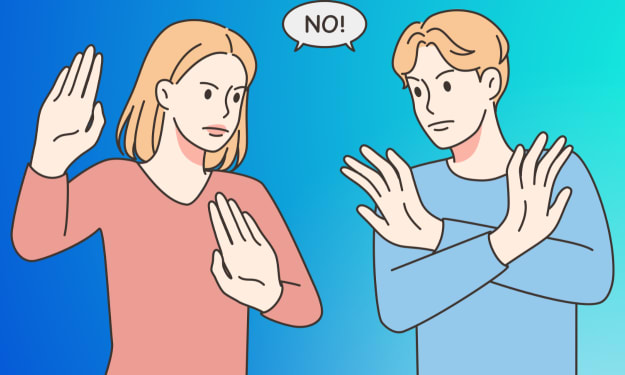
2. Disregard for Boundaries: Stalkers often ignore boundaries, showing a lack of respect for the other person’s autonomy. They may invade personal space, monitor social media, or persistently contact the individual.
3. Manipulation and Control: Unhealthy behavior may involve attempts to manipulate or control the other person. This can manifest through guilt-tripping, emotional blackmail, or threats.
4. Fear and Anxiety: Stalking behavior instills fear and anxiety in the targeted person, often leading to feelings of helplessness and stress. The individual may feel uncomfortable or unsafe due to persistent unwanted attention.
5. Lack of Communication: Rather than fostering open dialogue, unhealthy behaviors may involve silent treatment, passive-aggressiveness, or outright conflict, eroding trust and connection.
6. Dangerous Implications: Stalking can escalate to harassment, physical violence, or other criminal behaviors. It’s crucial to recognize early warning signs to ensure safety.
When to Be Worried
1. Violation of Boundaries: If someone consistently violates your personal boundaries, whether physical or emotional, it’s a red flag. This includes excessive texting, showing up uninvited, or constantly seeking attention.
2. Threatening Behavior: Any threats, either direct or implied, should be taken seriously. This includes comments about self-harm or harm to others.
3. Lack of Reciprocity: If one person is investing significantly more emotion and energy into the relationship without mutual feelings being expressed, it may signal an unhealthy attachment.
4. Isolation: If the person tries to isolate you from friends and family or discourages you from seeking support, this is a sign of controlling behavior, which is unhealthy.
5. Persistent Harassment: Repeated attempts to contact you despite clear indications that you do not wish to communicate can lead to escalating behaviors. Escalation in intensity or frequency is a major concern.
6. Diminished Well-being: If you start feeling anxious, afraid, or uncomfortable in your interactions with someone often, it’s crucial to trust those feelings. Emotional distress can be a clear indication of an unhealthy dynamic.
Conclusion
While twin flame relationships can bring about transformative growth and connection, stalking and unhealthy behaviors stem from emotional turmoil and a lack of respect for personal boundaries. Clear communication, mutual respect, and emotional safety are essential in nurturing healthy relationships. If you find yourself in a situation that feels harmful, seeking support from friends, family, or professionals can be an effective way to address the issue and ensure your safety. Recognizing the differences early on can help you navigate your relationships more effectively.
I am a global nomad/permanent traveler, or coddiwombler, if you will, and I move from place to place about every three months. I am currently in Peru and heading to Chile in a few days and from there, who knows? I enjoy writing articles, stories, songs and poems about life, spirituality and my travels. You can find my songs linked below. Feel free to like and subscribe on any of the platforms. And if you are inspired to, tips are always appreciated, but not necessary. I just like sharing.
YouTube Top Song List.
https://www.YouTube.com/results?search_query=julia+o%27hara+top+songs
Amazon PlayList
https://www.amazon.com//music/player/artists/B0D5JP6QYN/julia-o'hara
Spotify PlayList
https://open.spotify.com/artist/2sVdGmG90X3BJVn457VxWA
You can also purchase my books here:
https://www.lulu.com /spotlight/julie-ohara
I am also a member of Buy Me A Coffee – a funding site where you can “buy me a cup of coffee”
https:www.buymeacoffee.com/JulieOHara
About the Creator
Julie O'Hara - Author, Poet and Spiritual Warrior
Thank you for reading my work. Feel free to contact me with your thoughts or if you want to chat. [email protected]
Keep reading
More stories from Julie O'Hara - Author, Poet and Spiritual Warrior and writers in Humans and other communities.
Twin Flames: Running and Chasing
The concept of twin flames often involves intense emotional connections, with one partner sometimes referred to as the "runner" and the other as the "chaser." This dynamic can lead to deep feelings of longing, yearning, and emotional pain, particularly when one twin is running away from the relationship. Below is an exploration of how the chaser may feel and whether they will pine for their twin flame indefinitely.
By Julie O'Hara - Author, Poet and Spiritual Warrior4 months ago in Humans
The CEO of Everything
They say "jack of all trades, master of none," but they forgot to mention the part where the jack of all trades is also the camera woman, the makeup artist, and the person currently yelling at a tangled Wii microphone cable in a her own bathroom while recording herself singing and trying to make it look realistic and professional. (As professional as you can make it with nothing but a cell phone camera and a mic that doesn't work)
By Sara Wilson7 days ago in Humans
Caught Yourself Saying "You Let" Your Partner Do Things? Yeah, That's Not Normal.
There was a stack of makeup in front of me. I had just been on a shopping spree, spending my hard-earned money at one of my favourite beauty stores. The stack was huge, I give him that. But it wasn't any fan of beauty or skincare wouldn't appreciate.
By Ellen Frances5 days ago in Humans
Thoughts on Vocal and the way the world is
"Death cannot stop true love, only delay it." – Wesley in The Princess Bride. I decided to come back to Vocal on a very cold and dark night at the end of December. I had been, and still am, convalescing from a horrible staph infection that had gone misdiagnosed for months. This, paired with the increasing challenges of being healthy, making the best choices for my co-parented child, being a wife, and being a director at a new job, was a lot to manage.
By Jazzy 6 days ago in Confessions



Comments
There are no comments for this story
Be the first to respond and start the conversation.