
Traditional Archery: A Comprehensive Guide for Beginners and Enthusiasts
History, Techniques, and Benefits

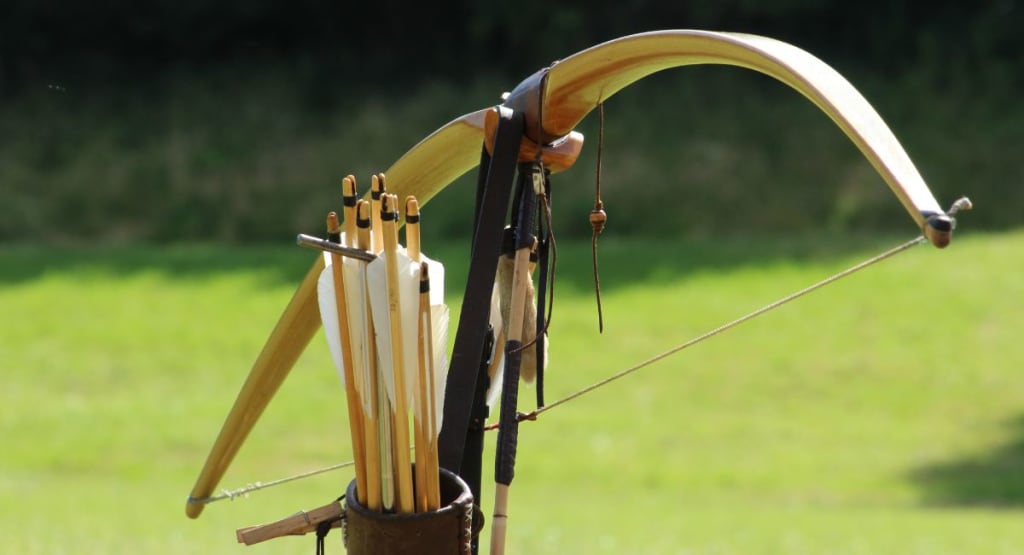
Traditional archery is a fascinating skill rooted in ancient history and cherished worldwide. Unlike modern archery, traditional archery relies on simple, non-mechanical bows like longbows and recurves, as well as instinctual shooting techniques. This guide will walk you through the basics of traditional archery, its history, different types of bows, shooting techniques, and the benefits of mastering this age-old practice.
What Is Traditional Archery?
Traditional archery involves using bows and arrows without modern accessories like sights, stabilizers, or release aids. It’s about connecting with the bow personally and learning to aim and shoot instinctively. This is just like archers have done for centuries. Traditional archers often use longbows or recurve bows, which offer a pure, raw experience without modern equipment.
The History Of Traditional Archery
Archery dates back thousands of years and has been used for hunting, warfare, and survival in many cultures. Ancient civilizations, from the Egyptians to the Native Americans, used traditional bows and arrows. Although archery has evolved with technology, traditional archery remains popular as people seek to experience this art form as it was in ancient times. Practicing traditional archery is a way to honor and preserve this historical skill.
Types Of Traditional Bows
1. Longbow
Longbows are among the oldest bow types, dating back to medieval times. They are tall (often as long as the archer) and have a simple, classic D-shape when unstrung. Longbows are highly recommended for hunting and recreational shooting due to their durability and straightforward design.
2. A Recurve Bow
Recurve bows have limbs that curve away from the archer when unstrung, providing more power and speed than longbows. Their design allows for a shorter bow with the same power, making them easier to handle in close quarters like wooded areas. Recurves are popular among traditional archers for target shooting and hunting.
3. Self-Bow
The self-bow is made from one piece of wood, without adding any other materials to it. It requires precise craftsmanship and is typically custom-fitted to the archer. Traditionalists highly regard self bows for their authentic, historical feel and unique shooting experience.
4. A Composite Bow
A composite bow is crafted from multiple materials, such as wood, horn, and sinew, making it more durable and powerful. Ancient warriors, including Mongolian archers, favored composite bows for their strength and compact design, ideal for horseback shooting.
Key Techniques In Traditional Archery
Mastering traditional archery takes practice, patience, and a strong understanding of fundamental techniques. Here are some essentials to get you started:
1. Instinctive Shooting
Traditional archery relies heavily on instinctive shooting, meaning there’s no aiming device. Archers must learn to aim by feeling, which involves aligning the bow with the target while focusing on form and repetition. This technique requires dedication but rewards as it hones your natural ability.
2. Anchor Point
Finding a consistent anchor point is crucial for accurate shooting. The anchor point is where you draw the bowstring back to, often resting your fingers near the corner of your mouth. This consistency improves shooting accuracy and builds muscle memory.
3. Grip And Stance
Maintaining a relaxed grip on the bow and a balanced stance is essential. Place your feet shoulder-width apart, stand tall, and grip the bow with a relaxed hand to avoid torquing the shot. This stable foundation helps create accurate, repeatable shots.
4. Breathing Control
Controlling your breathing can enhance focus and reduce shaking. Many traditional archers take a slow breath, then exhale as they release the arrow, steadiing the shot.
Benefits Of Traditional Archery
Traditional archery is fun and offers mental and physical benefits.
Improved Focus and Patience: Practicing traditional archery requires concentration and control, helping archers develop patience and focus over time.
Physical Exercise: Drawing a traditional bow builds upper body strength and endurance. It also enhances posture and coordination.
Stress Relief: Traditional archery can be meditative, as it encourages you to focus on the present moment, providing a mental break from daily stress.
Sense of Accomplishment: Mastering traditional archery skills, especially without modern aids, gives a deep sense of personal achievement.
Getting Started In Traditional Archery
If you’re excited to dive into traditional archery, here’s what you need to know to get started:
Choose the Right Bow: Beginners often start with a recurve bow or a longbow. Ensure the draw weight is manageable, as heavier weights require more strength.
Find a Practice Range: Many archery ranges offer beginner lessons and equipment rentals, so you can practice in a safe environment.
Take Lessons or Watch Tutorials: Learning from a professional instructor or watching online tutorials can help you grasp the basics quickly.
For more on the most effective archery equipment, check out our guide to Bow Ratings, which covers a range of traditional archery gear.
Frequently Asked Questions (FAQs)
1. Is Traditional Archery Harder Than Modern Archery?
Traditional archery can be more challenging since it doesn’t involve sights or other aids found in modern archery. It requires skill, practice, and patience, but many find it more rewarding.
2. Can You Hunt With A Traditional Bow?
Yes, traditional bows like longbows and recurves are commonly used for hunting. However, it’s a must to practice thoroughly and understand local hunting regulations.
3. How Do I Aim Without A Sight?
Instinctive shooting involves focusing on the target while building consistency in form and anchor points. Over time, your body learns how to align the shot naturally.
4. What’s The Most Suitable Bow For Traditional Archery Beginners?
Recurve bows are often recommended for beginners due to its manageable size and power. Choose a draw weight that feels comfortable to you.
About the Creator
Bow Ratings - Archery Essentials
Archery enthusiast sharing insights on bows, arrows, and all things archery. Discover in-depth reviews, tips, and guides to master the art at BowRatings.com.
Keep reading
More stories from writers in Humans and other communities.
The CEO of Everything
They say "jack of all trades, master of none," but they forgot to mention the part where the jack of all trades is also the camera woman, the makeup artist, and the person currently yelling at a tangled Wii microphone cable in a her own bathroom while recording herself singing and trying to make it look realistic and professional. (As professional as you can make it with nothing but a cell phone camera and a mic that doesn't work)
By Sara Wilson7 days ago in Humans
When AI Makes Decisions About Humans
Artificial intelligence is no longer a distant or abstract technology. It is already deciding which resumes get reviewed, who qualifies for loans, how long prison sentences might be, and which patients receive priority care. These decisions—once made exclusively by humans—are increasingly influenced or executed by algorithms. While AI promises efficiency, objectivity, and scale, it also raises profound ethical questions. When machines make decisions about humans, what values guide them, and who is responsible for the outcomes?
By Mind Meets Machineabout 22 hours ago in Humans


Comments
There are no comments for this story
Be the first to respond and start the conversation.