
Top Tips for a Hassle-Free Appliance Installation
Visit Kelstech Home Service for tv mounting, same day furniture assembly services
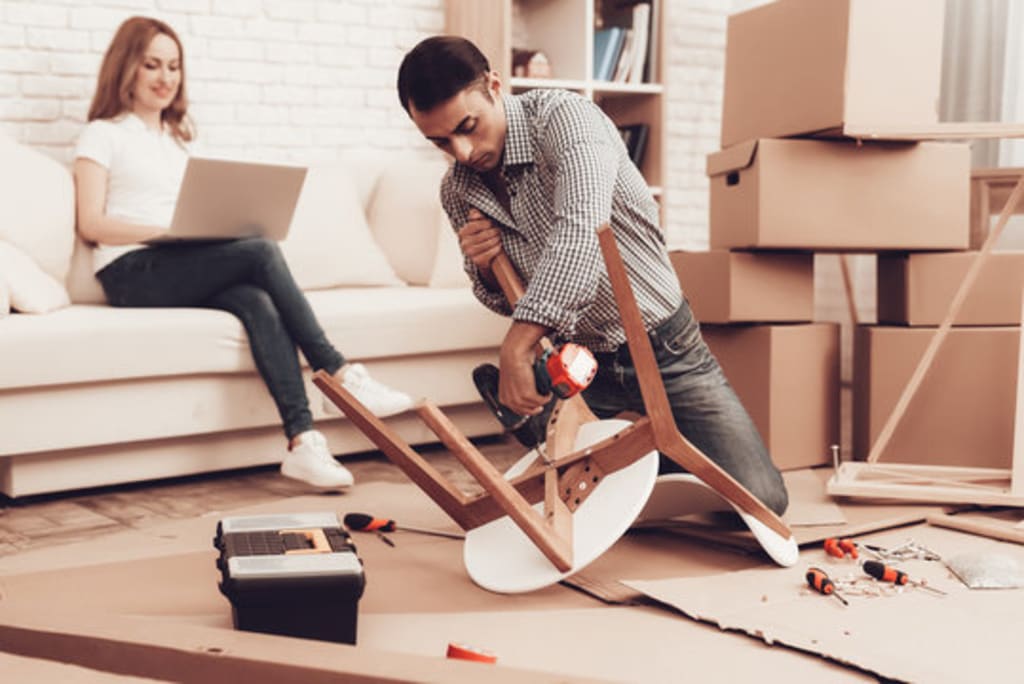
Installing a new appliance is an exciting step toward enhancing the functionality and comfort of your home. Whether it’s a sleek refrigerator, a high-efficiency washing machine, or a state-of-the-art oven, proper installation is essential to ensure the appliance operates effectively and safely. While some installations are straightforward, others can be complex, requiring careful planning and attention to detail. To help you navigate the process, here are some top tips for a hassle-free appliance installation.
1. Measure Twice, Buy Once
Before purchasing any new appliance, it’s crucial to measure the available space in your home. This includes:
- Width, Height, and Depth: Ensure the appliance fits snugly in its designated spot, leaving room for ventilation and accessibility.
- Door Clearance: Check that doors or drawers can open fully without obstruction.
- Pathways: Measure doorways, hallways, and staircases to confirm the appliance can be moved into place.
Taking precise measurements avoids the frustration of discovering your new appliance doesn’t fit, saving you time and money.
2. Prepare the Space
A smooth installation begins with a well-prepared space. Clear the area of any obstacles and ensure it is clean and ready for the new appliance. If you’re replacing an old appliance, disconnect it properly and remove it from the area. For large or heavy items, consider enlisting help to avoid injury or damage to your home.
Additionally, ensure that:
- Electrical outlets are accessible and match the appliance’s plug type.
- Water lines or gas connections are in good condition if applicable.
- Ventilation systems, such as ducts for dryers or range hoods, are clean and unobstructed.
3. Review the Manufacturer’s Instructions
Each appliance comes with a set of manufacturer’s instructions outlining the installation process. These guidelines provide crucial information about safety precautions, required tools, and specific steps to follow. Taking the time to read and understand these instructions ensures a smooth and error-free installation.
4. Use the Right Tools and Equipment
Having the proper tools on hand is essential for a successful installation. Common tools include:
- Screwdrivers and wrenches
- Leveling tools
- Tape measure
- Utility knife
- Drill and bits (if mounting or securing the appliance)
Some appliances may require specialized equipment, such as gas line connectors or water hoses. Check the manufacturer’s instructions for a complete list of required tools and materials.
5. Ensure Proper Electrical Connections
Electrical compatibility is a critical aspect of appliance installation. Verify that the appliance’s voltage and amperage requirements match your home’s electrical system. For larger appliances, such as ovens or dryers, you may need a dedicated circuit or a higher voltage outlet.
If you’re unsure about electrical connections, it’s best to hire a licensed electrician. Improper wiring can lead to appliance malfunctions, electrical fires, or damage to your home’s system.
6. Test Water and Gas Lines
For appliances like dishwashers, refrigerators with water dispensers, or gas stoves, proper connection to water or gas lines is essential. Inspect these lines for leaks, wear, or damage before installation. Replace any faulty components to prevent future issues.
When connecting water lines, ensure that:
- Hoses are tightly secured to prevent leaks.
- Shut-off valves are functional and easily accessible.
For gas appliances, always check for leaks after installation. Apply a soapy water solution to the connections and look for bubbles, which indicate a leak. If you’re not confident handling gas lines, hire a professional to ensure safety.
7. Level Your Appliance
An uneven appliance can lead to poor performance, increased wear, and even damage over time. Use a leveling tool to ensure your appliance is perfectly balanced. Adjustable feet or leveling legs can help achieve stability. This step is particularly important for washing machines, refrigerators, and ovens, as uneven placement can affect their functionality.
8. Test the Appliance
Once the installation is complete, test the appliance to ensure it’s working correctly. Turn it on and run it through its basic functions. For example:
- Refrigerators: Check that the cooling system activates and maintains the desired temperature.
- Dishwashers: Run a rinse cycle to verify water flow and drainage.
- Washing Machines: Test both the water fill and spin cycles.
- Ovens: Confirm that the heating elements or burners function properly.
Testing helps identify any issues early, allowing you to address them promptly.
9. Prioritize Safety
Safety should always be a top priority during appliance installation. Follow these precautions:
- Turn Off Power and Water: Before beginning any installation, disconnect power or shut off water and gas lines to avoid accidents.
- Avoid Overloading Circuits: Plugging multiple high-energy appliances into the same outlet can overload circuits and cause electrical issues.
- Secure Heavy Appliances: Anchor tall or heavy appliances, such as refrigerators or bookshelves with integrated electronics, to prevent tipping.
10. Know When to Call a Professional
While many appliance installations are manageable for DIY enthusiasts, some situations call for professional assistance. Complex installations involving gas lines, built-in appliances, or major electrical work are best left to experts. Hiring a professional ensures compliance with safety standards and reduces the risk of costly mistakes.
11. Dispose of Packaging Responsibly
New appliances often come with substantial packaging, including cardboard, Styrofoam, and plastic. Dispose of these materials responsibly by recycling whenever possible. Some retailers offer removal and recycling services for old appliances and packaging, providing an eco-friendly solution.
12. Register Your Appliance
After installation, take the time to register your appliance with the manufacturer. This step activates your warranty and ensures you’re notified of any recalls or maintenance updates. Keep a copy of the receipt and warranty information for future reference.
Conclusion
Installing a new appliance doesn’t have to be a daunting task. By planning ahead, using the right tools, and following manufacturer guidelines, you can ensure a hassle-free installation process. Whether you choose to handle the job yourself or hire a professional, prioritizing safety and attention to detail will set you up for success. With your new appliance installed and functioning perfectly, you can enjoy the convenience and comfort it brings to your home. Get in touch with us if you are looking for a tv mounting company, and same day furniture assembly.
About the Creator
Keep reading
More stories from writers in Humans and other communities.
Whiskey At Dusk
Guess the whiskey was more important to you in the end, wasn’t it? It was more than the well-being of your friends; more vital than showing up to the places you promised you would and could come to; more critical of a matter than fulfilling your damn responsibilities and getting the press off your back.
By Snarky Lisa5 days ago in Humans
Melania Trump Documentary and the Story Behind the Public Image
There is something quietly fascinating about watching a life unfold on screen, especially when that life belongs to someone constantly in the public eye. The Melania Trump documentary does more than follow headlines; it tries to capture the person behind the carefully curated image. Watching it, you feel a mix of curiosity, empathy, and sometimes confusion. How does someone navigate the intense scrutiny, the media glare, and the expectations of a global audience? A documentary like this invites reflection on identity, resilience, and perception. It explores how private struggles meet public life and how one’s choices are interpreted through the lens of fame. This article dives into the layers behind the Melania Trump documentary, exploring context, impact, and meaning.
By Muqadas khanabout 11 hours ago in Humans
Killing him slowly
There’s an intruder in my house again. He stumbles through the door, wet carrier bags in hand. He’s bought me offerings. I show my appreciation, letting him caress my beautiful body. He wants to touch me. I rub myself against his legs. He sighs, dropping the bags. He can’t resist touching me. Running his hand slowly down my spine, I arch my back towards his caress, let out a low purr. It’s what we both need.
By N J Delmas2 days ago in Horror




Comments
There are no comments for this story
Be the first to respond and start the conversation.