
Top Things to Know Before You Go on the Dayara Bugyal Trek
Dayara Bugyal Trek

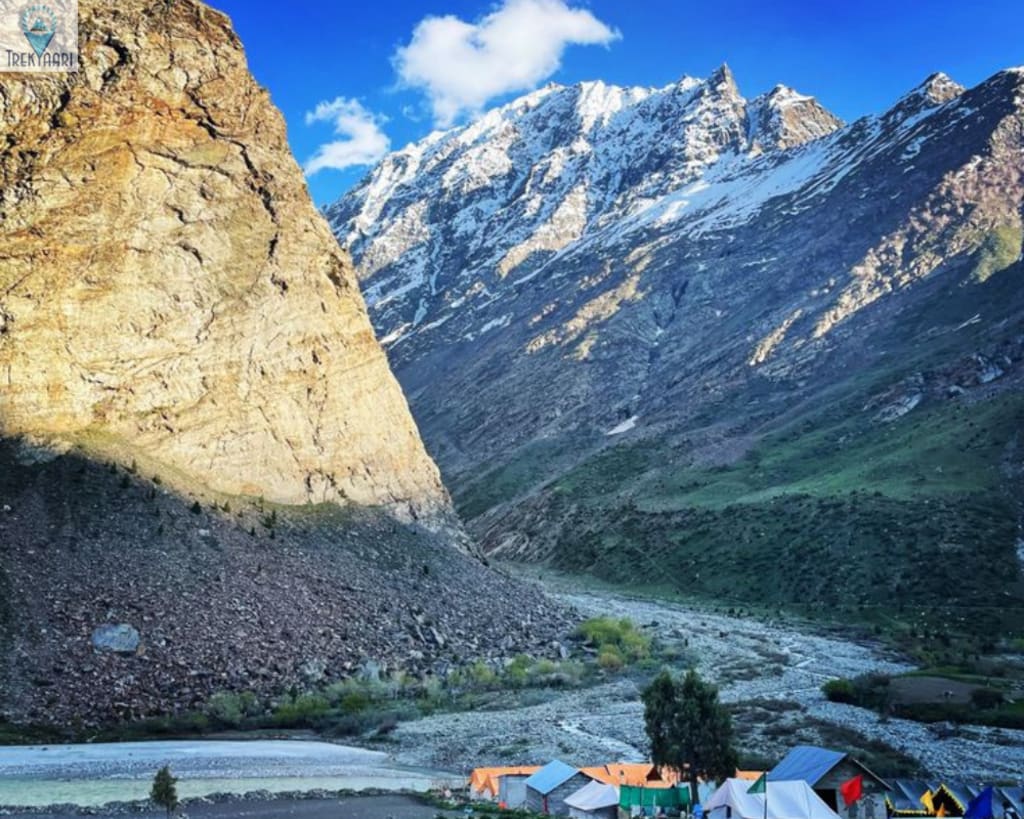
The Dayara Bugyal Trek is a perfect blend of adventure, breathtaking views, and serene meadows. Nestled in the Uttarkashi district of Uttarakhand, Dayara Bugyal stands out as one of the most beautiful high-altitude meadows in India. The term "Bugyal" in the local dialect translates to "meadow," and Dayara Bugyal lives up to its name with vast expanses of lush green grasslands surrounded by snow-capped peaks. Before you set off on this incredible journey, here are some essential things to know.
Overview of Dayara Bugyal Trek
Location
Dayara Bugyal is located in Uttarkashi district, Uttarakhand, at an altitude of approximately 3,750 meters (12,303 feet). This high-altitude meadow offers panoramic views of the surrounding Himalayan peaks, making it a popular destination for trekkers and nature enthusiasts.
Trek Duration
The trek typically spans 4-6 days, depending on the itinerary and pace. A standard itinerary includes trekking from the base camp at Barsu or Raithal, ascending to Dayara Bugyal, and returning to the base camp. The journey covers a distance of around 20-30 kilometers, depending on the chosen route.
Difficulty Level
The Dayara Bugyal Trek is considered moderate, making it suitable for beginners as well as experienced trekkers. While the trek does not involve technical climbing, it requires a reasonable level of fitness and stamina to handle the altitude and varying terrain.
Best Time to Visit
Choosing the right time to visit Dayara Bugyal is crucial for an enjoyable trekking experience. The trek is accessible almost throughout the year, but each season offers a different experience.
Summer (May to June)
Summer is one of the best times to visit Dayara Bugyal. During this period, the weather is pleasant, with temperatures ranging between 10°C to 20°C. The meadows are lush green, adorned with a variety of wildflowers. The clear skies provide stunning views of the surrounding peaks, including Bandarpoonch, Black Peak, and Gangotri. Summer is ideal for trekkers who prefer moderate weather conditions and vibrant landscapes.
Winter (December to February)
Winter transforms Dayara Bugyal into a snow-covered wonderland. The temperatures can drop to -5°C to -10°C, making it a cold yet magical experience. The trek during winter is more challenging due to the snow and cold, but it offers a unique opportunity to walk through pristine white meadows and enjoy a serene and less crowded environment. This season is perfect for those who love snow and are prepared for colder conditions.
Monsoon (July to September)
The monsoon season brings heavy rainfall to the region, making the trek challenging and less favorable. The trails can become slippery and prone to landslides. However, the post-monsoon period (late September) is beautiful, with the meadows turning lush green and the skies clearing up. This period can be considered for trekking if you are prepared for the challenges posed by the rains.
Autumn (October to November)
Autumn is another excellent time to visit Dayara Bugyal. The weather is stable, with temperatures ranging between 5°C to 15°C. The skies are usually clear, offering breathtaking views of the Himalayas. The meadows are still green, and the crisp autumn air adds to the charm of the trek. This season is ideal for those who prefer trekking in cooler yet stable weather conditions.
How to Reach
Reaching the base camp for the Dayara Bugyal Trek involves a combination of air, rail, and road travel. Here are the options to reach the starting point of your trek:
By Air
The nearest airport to Dayara Bugyal is Jolly Grant Airport in Dehradun, which is approximately 195 kilometers from the base camp. The airport is well-connected with major cities like Delhi, Mumbai, and Bangalore. From the airport, you can hire a taxi or take a bus to reach Barsu or Raithal, the base camps for the trek.
By Train
The nearest railway station is in Dehradun, located about 170 kilometers from the base camp. Dehradun Railway Station is well-connected with major cities across India. From the railway station, you can hire a taxi or take a bus to reach Barsu or Raithal.
By Road
Barsu and Raithal are well-connected by road from Dehradun, Rishikesh, and Haridwar. Regular bus services are available from these cities to Uttarkashi, from where you can take a local taxi or shared jeep to reach the base camp. The road journey offers scenic views of the mountains and river valleys, making it an enjoyable prelude to the trek.
Permits and Regulations
Trekking in the Dayara Bugyal region requires certain permits and adherence to local regulations. It's essential to be aware of these requirements to ensure a smooth and hassle-free trekking experience.
Forest Permits
Since Dayara Bugyal is located within a forested area, you will need to obtain forest permits for trekking in the region. These permits are issued by the Forest Department and can be arranged through your trekking agency or at the base camp. The permits help regulate the number of trekkers and ensure the conservation of the natural environment.
Local Regulations
Respect the local customs and regulations during your trek. Avoid littering and ensure you follow eco-friendly trekking practices. It's important to minimize your impact on the environment by carrying back all your trash, using biodegradable products, and avoiding any activities that can harm the local flora and fauna.
Essential Gear and Packing List
Packing the right gear is crucial for a successful and comfortable trekking experience. Here is a list of essential items you should pack for the Dayara Bugyal Trek:
Clothing
Layered Clothing: Pack clothes in layers to adjust to changing weather conditions. Include base layers, mid-layers (such as fleece), and outer layers (waterproof and windproof jackets).
Warm Clothes: Nights can be cold, so carry warm clothes like thermal wear, a down jacket, and woolen sweaters.
Trekking Pants: Comfortable and quick-drying trekking pants are essential.
Rain Gear: Carry a waterproof jacket and pants, especially if you are trekking during the monsoon or post-monsoon period.
Accessories: Hats, gloves, and scarves are essential to protect yourself from the cold and sun.
Footwear
Trekking Shoes: Sturdy and comfortable trekking shoes with good grip are crucial. Make sure they are broken in before the trek.
Socks: Carry extra pairs of moisture-wicking socks to keep your feet dry and comfortable.
Other Essentials
Trekking Poles: Useful for stability and reducing strain on your knees.
Backpack: A comfortable and durable backpack with rain cover.
Sleeping Bag: A warm sleeping bag suitable for cold temperatures.
First Aid Kit: Include basic first aid supplies and any personal medications.
Water Bottle and Purification Tablets: Stay hydrated and ensure your water is safe to drink.
Headlamp or Flashlight: With extra batteries for nighttime activities.
Sunglasses, Sunscreen, and Lip Balm: Protect yourself from the harsh sun at high altitudes.
Physical Fitness and Preparation
Preparing your body for the Dayara Bugyal Trek is essential to ensure you enjoy the journey without undue strain or injury.
Training
Engage in regular cardio exercises like running, cycling, or swimming to build stamina. Incorporate strength training exercises to enhance your overall fitness. Focus on exercises that target your legs, core, and shoulders.
Acclimatization
Arrive a day early at the base camp to acclimatize to the altitude and prevent Acute Mountain Sickness (AMS). Spend time at the base camp, stay hydrated, and avoid strenuous activities on the first day.
Health Check-Up
Undergo a thorough health check-up before embarking on the trek. Consult your doctor if you have any pre-existing medical conditions or concerns about high-altitude trekking.
Accommodation and Food
Accommodation and food arrangements are an integral part of your trekking experience. Here’s what you can expect on the Dayara Bugyal Trek:
Campsites
Accommodation is primarily in tents at designated campsites. These tents are usually shared between 2-3 trekkers and are equipped with basic amenities like sleeping bags and mats. The campsites are located at scenic spots, offering stunning views and a close connection to nature.
Food
Meals are provided by trekking agencies, ensuring you get nutritious and hygienic food throughout the trek. The food typically includes a mix of Indian and continental cuisine, with options for vegetarians and non-vegetarians. Expect hearty meals that provide the necessary energy for trekking, including breakfast, lunch, dinner, and tea/snacks.
Safety Tips
Safety is paramount when trekking in the Himalayas. Here are some important safety tips to keep in mind during the Dayara Bugyal Trek:
Weather Awareness
Check the weather forecast before starting the trek and be prepared for sudden weather changes. Carry appropriate gear for rain, snow, and cold conditions.
Trekking in Groups
Always trek with a group or a guide, especially if you are a beginner. Group trekking ensures safety and provides support in case of emergencies.
Emergency Contacts
Keep emergency contact numbers handy and inform someone about your trek itinerary. Carry a mobile phone with a local SIM card for better connectivity in remote areas.
High-Altitude Sickness
Be aware of the symptoms of Acute Mountain Sickness (AMS) and take necessary precautions. Symptoms include headache, nausea, dizziness, and shortness of breath. If you experience any of these, descend to a lower altitude immediately and seek medical help if needed.
Hydration and Nutrition
Stay hydrated by drinking plenty of water throughout the trek. Carry energy bars, dry fruits, and other high-calorie snacks to maintain your energy levels.
Leave No Trace
Practicing Leave No Trace principles is crucial to preserve the natural beauty and ecological balance of the trekking region.
Environmental Responsibility
Carry back all your trash and leave the trails as pristine as you found them. Use biodegradable products and avoid using single-use plastics. Dispose of waste properly and use designated toilet facilities at campsites.
Respect Wildlife
Avoid disturbing the wildlife and maintain a safe distance from animals. Do not feed or approach wild animals, as this can disrupt their natural behavior and pose risks to both you and the animals.
Photography Tips
Dayara Bugyal offers numerous opportunities for capturing stunning photographs. Here are some tips to make the most of your photography experience:
Golden Hour
Capture stunning photos during the golden hours—early morning and late afternoon. The soft, warm light during these times enhances the beauty of the landscape and creates dramatic shadows and highlights.
Wide-Angle Lens
Use a wide-angle lens to capture the expansive meadows and panoramic views. This lens allows you to include more of the stunning scenery in your shots, giving a sense of the vastness and beauty of Dayara Bugyal.
Composition
Experiment with different compositions to create visually appealing photographs. Include elements like the meadows, mountains, and trekkers in your frame to add depth and context to your shots.
Night Photography
Dayara Bugyal is an excellent location for night photography, with clear skies and minimal light pollution. Bring a tripod and capture long-exposure shots of the starry sky and the Milky Way.
Conclusion
The Dayara Bugyal Trek is a mesmerizing journey through some of the most scenic landscapes in the Himalayas. From the lush green meadows and vibrant wildflowers of summer to the snow-covered wonderland of winter, Dayara Bugyal offers a unique and unforgettable trekking experience in every season. With proper preparation, the right gear, and a mindful approach to the environment, you can enjoy a safe and enjoyable trek. Embrace the adventure, immerse yourself in the natural beauty, and create memories that will last a lifetime. Happy trekking!
About the Creator
Trekyaari
Trekyaari is the best trekking company in India offering comprehensive trekking, adventure, holiday tours, and expedition services. Explore the best of India's nature and culture with us!
Kundalini Awakening Stages People Experience in Silence.
Kundalini awakening is a profound spiritual process in which latent energy at the base of the spine rises through the chakras, activating higher consciousness and deep transformation. Unlike dramatic portrayals in media, much of this process is experienced silently and internally. People often go through stages that are subtle, personal, and invisible to others, leading to confusion or misunderstanding. Understanding these stages helps individuals navigate their spiritual journey with awareness, patience, and self-compassion.
By Wilson Igbasi4 days ago in Humans


Comments (1)
Hey, just wanna let you know that this is more suitable to be posted in the Wander community 😊