
Top 5 Benefits of Keto Meal Plan
Tips for Keto Meal Plan
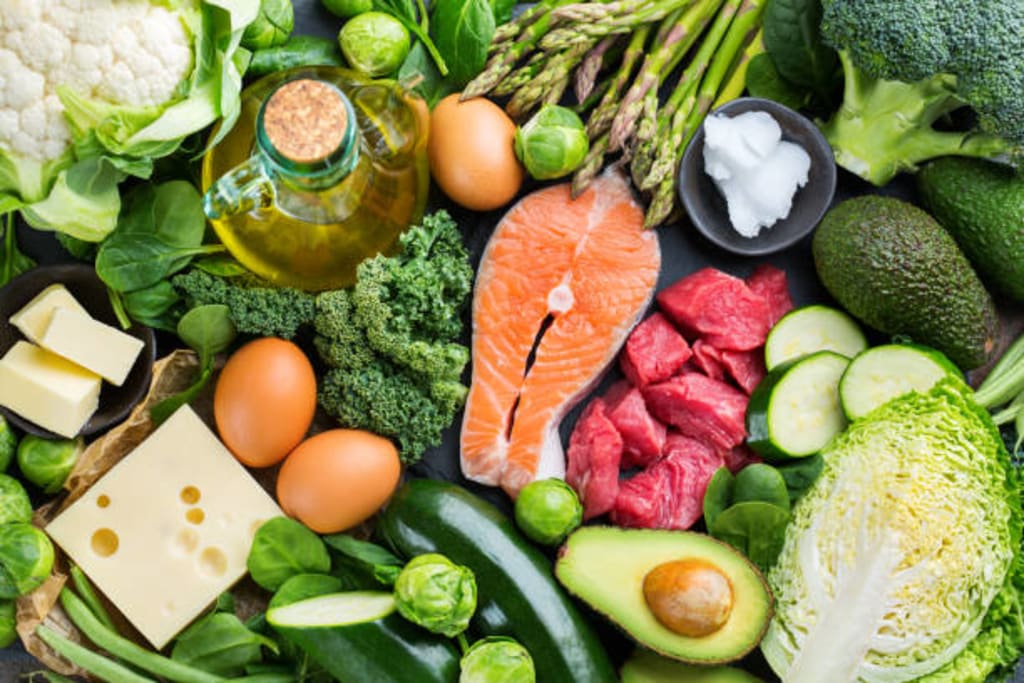
The keto diet, also known as the ketogenic diet, is a low-carb, high-fat diet that has gained popularity in recent years for its potential health benefits. The diet involves drastically reducing your carbohydrate intake and increasing your fat intake to induce a state of ketosis, in which your body burns fat for energy instead of glucose from carbohydrates. Here's what you need to know about creating a keto meal plan.
Focus on healthy fats: On the keto diet, you'll need to increase your fat intake to make up for the reduction in carbohydrates. However, it's important to focus on healthy sources of fat, such as avocados, nuts, seeds, fatty fish, and olive oil. These fats are rich in nutrients and can help you feel full and satisfied, reducing your overall calorie intake.
Limit carbohydrates: To enter ketosis, you'll need to limit your carbohydrate intake to around 20-50 grams per day. This means cutting out most grains, sugars, and starchy vegetables. Instead, focus on low-carbohydrate vegetables such as leafy greens, broccoli, cauliflower, and zucchini.
Include moderate amounts of protein: While the keto diet is high in fat, it's important to include moderate amounts of protein to support muscle growth and repair. Aim for around 0.6-1 gram of protein per pound of body weight per day. Good sources of protein on the keto diet include meat, poultry, fish, eggs, and cheese.
Plan your meals in advance: To ensure that you're meeting your macronutrient goals on the keto diet, it's important to plan your meals in advance. This will help you avoid reaching for high-carbohydrate foods when you're hungry and ensure that you're getting enough healthy fats and protein.
Drink plenty of water: On the keto diet, your body will produce more ketones, which can lead to increased urination and dehydration. Be sure to drink plenty of water throughout the day to stay hydrated and support your body's detoxification processes.
Here's an example of a one-day keto meal plan:
Breakfast: Avocado and egg salad with bacon. Mash half an avocado and mix with two hard-boiled eggs. Top with crumbled bacon and a drizzle of olive oil.
Lunch: Grilled chicken Caesar salad. Grill a chicken breast and serve over a bed of romaine lettuce with Caesar dressing and Parmesan cheese.
Snack: Almond butter with celery. Spread almond butter on celery sticks for a quick and easy snack.
Dinner: Baked salmon with asparagus. Bake a salmon fillet in the oven and serve with roasted asparagus and a side salad dressed with olive oil and vinegar.
Dessert: Dark chocolate. Enjoy a small piece of dark chocolate to satisfy your sweet tooth.
It's important to note that the keto diet may not be suitable for everyone, particularly those with a history of kidney disease or liver disease. Additionally, the diet can be difficult to maintain long-term and may require careful monitoring of your nutrient intake. If you're considering starting a keto meal plan, be sure to talk to your healthcare provider first to determine if it's right for you.
In conclusion, a keto meal plan can be a healthy and satisfying way to support weight loss and improve overall health. By focusing on healthy fats, limiting carbohydrates, including moderate amounts of protein, planning your meals in advance, and staying hydrated, you can create a delicious and nutritious meal plan that meets your macronutrient needs on the keto diet.
About the Creator
Mickeyching
Passionate in sharing new stuff and experience
Keep reading
More stories from Mickeyching and writers in Humans and other communities.




Comments
There are no comments for this story
Be the first to respond and start the conversation.