
Top 10 Accidental Inventions That Changed the World
Part 2 — From potato chips to Play-Doh, more happy mistakes.

Introduction
Sometimes, the best things in life happen by mistake. In part one, we saw how accidents gave us life-saving medicines, sweet treats, and even fireworks. But history has more surprises. From snack foods to children’s toys, these 10 accidental inventions shaped our world — and proved that failure can lead to greatness.
Here’s Part 2 of the inventions that weren’t planned — but changed everything.
1. Potato Chips
In 1853, a chef named George Crum was tired of a customer complaining that his fries were too thick. So, he sliced them extra thin, fried them until crispy, and added salt. The customer loved them. That “mistake” became potato chips — now one of the world’s favorite snacks.
2. Play-Doh
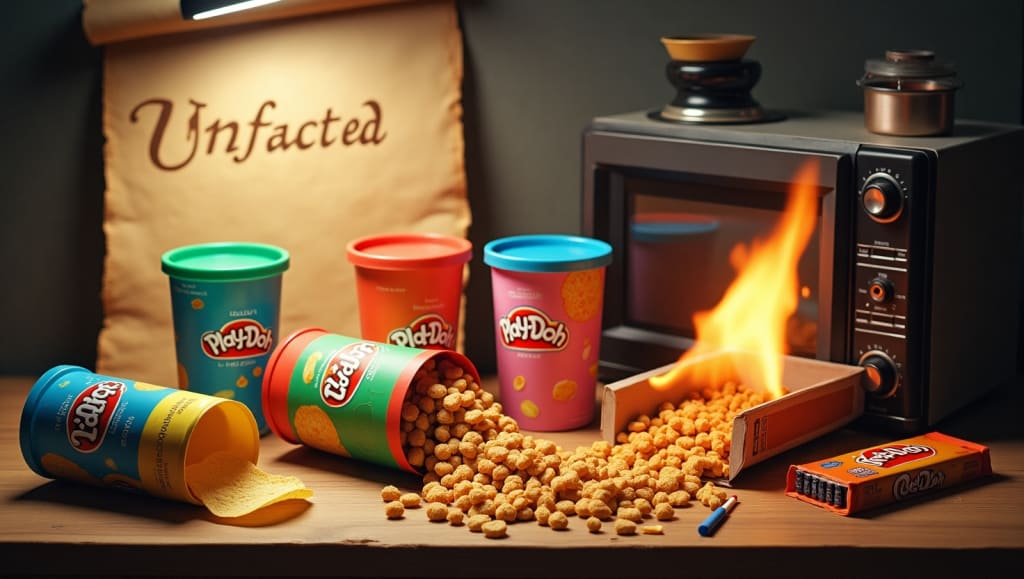
Play-Doh wasn’t made to be a toy. In the 1930s, it was used to clean wallpaper. But when kids began to play with it, parents and teachers saw its soft, moldable charm. By the 1950s, it was rebranded as a toy. Millions of children have played with this happy accident.
3. Corn Flakes
Dr. John Kellogg and his brother were trying to make a healthy breakfast for patients at a hospital. One day, they left cooked wheat out too long. It became flaky. They baked it — and it became corn flakes. The Kellogg’s brand grew from this small, dry mistake.
4. Velcro
In 1941, George de Mestral, a Swiss engineer, noticed burrs sticking to his dog’s fur during a walk. Under a microscope, he saw how the burrs had tiny hooks. Inspired, he created Velcro — the hook-and-loop fastener we use on shoes, jackets, and bags today.
5. Saccharin (Artificial Sweetener)
A chemist named Constantin Fahlberg forgot to wash his hands after working in the lab. Later, while eating dinner, he noticed his bread tasted sweet. He realized the chemical on his hands was the reason. That became saccharin, one of the first artificial sweeteners.
6. Safety Glass
In 1903, French scientist Édouard Bénédictus dropped a glass flask coated with plastic cellulose. It cracked but didn’t shatter. This led to the creation of safety glass, used in car windshields and buildings. A small fall prevented future injuries for millions.
7. Microwave Oven
Percy Spencer, an engineer, was testing radar equipment in 1945. He had a candy bar in his pocket — and it melted. He realized the radar waves had cooked it. This led to the invention of the microwave oven, now found in kitchens all over the world.
8. Matchsticks
In 1826, John Walker, an English chemist, accidentally scraped a stick coated with chemicals — and it caught fire. He created the first friction match, making fire easy to start. Before this, fire was slow and hard to make.
9. X-rays
In 1895, Wilhelm Röntgen was experimenting with electrical rays when he noticed a strange glow on a screen. He placed his hand in front of it — and saw his bones. He had discovered X-rays, now essential in medicine for looking inside the body.
10. Teflon
In 1938, Roy Plunkett was trying to make a new refrigerant gas. Instead, he found a slippery white powder in his lab container. That powder was Teflon, later used to make non-stick cookware. Thanks to this mistake, cleaning pans became much easier.
Conclusion
Behind many inventions is a simple truth: people made mistakes — and paid attention. They didn’t throw failures away. They explored them. From tasty snacks to medical tools, these accidental discoveries made life better in big and small ways.
So next time something goes wrong... maybe it’s the start of something world-changing.
By " Haq Nawaz " ...
About the Creator
Unfacted
I uncover the unseen, the unknown, and the unbelievable. Unfacted is where facts get raw, real, and ready to blow your mind.
Reader insights
Outstanding
Excellent work. Looking forward to reading more!
Top insights
Compelling and original writing
Creative use of language & vocab
Easy to read and follow
Well-structured & engaging content
Excellent storytelling
Original narrative & well developed characters
Expert insights and opinions
Arguments were carefully researched and presented
Eye opening
Niche topic & fresh perspectives
Heartfelt and relatable
The story invoked strong personal emotions
Masterful proofreading
Zero grammar & spelling mistakes
On-point and relevant
Writing reflected the title & theme
How to Succeed at the Benson Directory®
Congratulations and welcome to the Benson Directory® employee #22391! As our newest call handler, you will have the privilege of speaking with dozens of unique and interesting people on a daily basis as well as the opportunity to earn bonuses for high performance. Contained within this handbook you will find a set of ease to follow instructions designed to help you settle in to your new role and begin paving the way to success.
By S. A. Crawforda day ago in Fiction



Comments (1)
Nice!