
This is the life of a GAUCHO - Riders of the Patagonia
Venturing into the Heart of Gaucho Culture in the Land of Wild Landscapes

Introduction
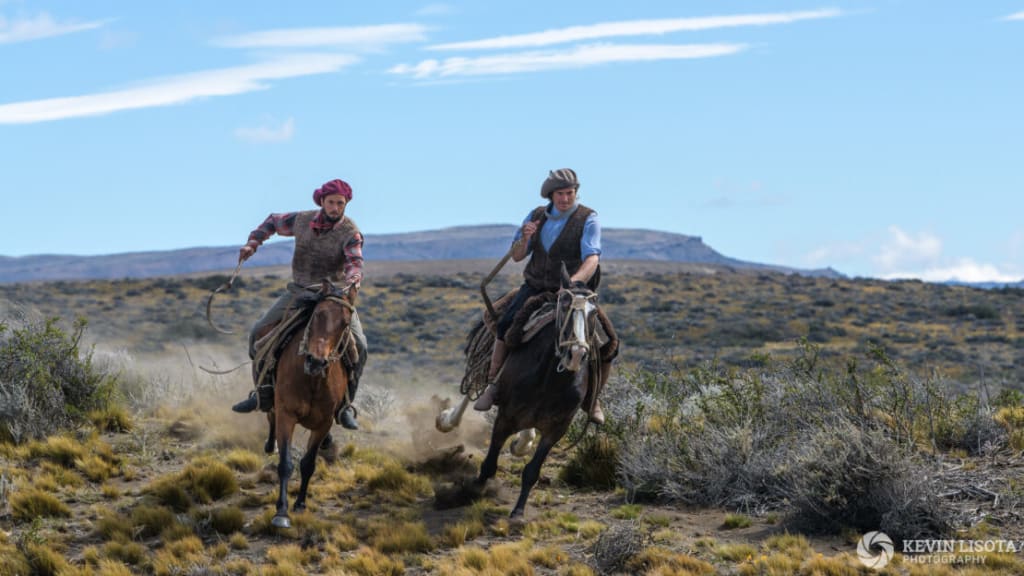
Argentina, known for its diverse culture and captivating landscapes, is a country deeply rooted in traditions. Among these traditions, the gaucho culture stands out as a symbol of the nation's spirit. In this article, we embark on a journey through Patagonia, where we explore the lives of the gauchos and the mesmerizing wilderness that surrounds them.
Discovering the Gauchos
Our adventure begins in Esquel, a picturesque town in Patagonia with a population of 40,000. Esquel is not only famous for its natural beauty but also for its Welsh heritage, making it a unique blend of cultures. As we set foot in the land of the gauchos, we find ourselves amidst the rugged charm of this region.
A Gaucho's Way of Life
The term "gaucho" originates from Hispanic roots, particularly in Andalusia, where "guasa" refers to a lack of grace, "guasón" to a person with no humor, and "gacho" to a rural dweller. The fusion of these words gives birth to "guaso," which translates to "man of the countryside." This etymology sheds light on the gaucho's identity as a rural, down-to-earth figure.
Gaucho Women: The Chinas
The gaucho culture extends beyond the men who define it. The women, often referred to as "chinas," "guaynas," or "paisanas," add their own flavor to this cultural tapestry. These women are known for their dark hair, braided on each side, and a distinctive riding style with both legs on one side of the horse. Their presence reflects the fusion of indigenous cultures with gaucho traditions.
Gauchos and Nature
Exploring the gaucho lifestyle wouldn't be complete without diving into the breathtaking landscapes they call home. Los Alerces National Park, nestled in the Andean mountain range, is home to millennial trees and captivating cave paintings. The park is also a haven for diverse flora and fauna, including elusive pumas that occasionally descend from the mountains.
Strait of the Monsters: A Fishing Paradise
The Strait of the Monsters, connecting Futalaufquen Lake and Lake Krüger, earned its intriguing name due to the monstrous fish that reside here. This strait is a hidden gem for fishing enthusiasts and provides a glimpse into the region's natural wonders.
The Gaucho's Resilience
Our journey takes an unexpected turn when we join the gauchos in a mission to round up escaped cattle. This demonstrates the resilience and adaptability of these skilled horsemen, who are always ready to confront the challenges of their remote surroundings.
The Story of El Chamán
We also delve into the local lore of El Chamán, a rock formation bearing ancient cave paintings. These paintings, created more than 4,000 years ago by hunter-gatherer tribes, offer a fascinating glimpse into the past and the spiritual connection these indigenous people had with the land.
The Mysteries of Patagonia
Patagonia is not just a land of beauty; it's also shrouded in mystery. Legends of unexplained lights known as "bad lights" add an eerie touch to the already enigmatic landscape. These lights are believed to be omens of misfortune when encountered.
The Legacy of the Gauchos
Our journey concludes with a deeper appreciation for the gauchos and their enduring legacy. As guardians of Patagonia's wilderness, these horsemen play a vital role in preserving the region's natural wonders and indigenous culture.
Conclusion
Exploring the gauchos of Argentina and the wild landscapes of Patagonia is a journey filled with cultural richness and natural beauty. The gaucho way of life, deeply intertwined with the land and traditions, showcases the resilience of these remarkable people. As we bid farewell to this enchanting region, we look forward to future adventures, including a thrilling exploration of Antarctica. Argentina's gauchos and their captivating homeland have left an indelible mark on our hearts and minds.
About the Creator
Keep reading
More stories from Anu Preethi Danila D and writers in Humans and other communities.
“Mezcal: A Tradition at Odds with Modernization and Certification”
Introduction Mezcal, often referred to as the “elixir of the Gods,” is deeply ingrained in Mexican culture and history. This traditional spirit, renowned for its smoky flavor and artisanal craftsmanship, has been produced using time-honored methods for centuries. However, as Mezcal gains international popularity, the clash between tradition and modernization, coupled with the challenges of certification, is reshaping the industry.
By Anu Preethi Danila D2 years ago in Humans
Whiskey At Dusk
Guess the whiskey was more important to you in the end, wasn’t it? It was more than the well-being of your friends; more vital than showing up to the places you promised you would and could come to; more critical of a matter than fulfilling your damn responsibilities and getting the press off your back.
By Snarky Lisa4 days ago in Humans
When TikTok Goes Dark: What TikTok Outages Mean for Creators
One moment your screen scrolls with laughter and small confessions. The next, it freezes. Comments refuse to load. Videos vanish. For many people, TikTok is not just entertainment. It is routine, comfort, and sometimes income. When the app goes quiet, confusion spreads fast. People refresh, restart, and wonder if they did something wrong. They did not. TikTok outages happen more often than most users realize. They arrive without warning and leave behind questions. What caused this silence? How long will it last? And why does it feel so unsettling? This article looks closely at tiktok outages, how they happen, how they affect real people, and what you can realistically do when the feed goes dark for creators and everyday viewers.
By Muqadas khan3 days ago in Humans



Comments
There are no comments for this story
Be the first to respond and start the conversation.