
The Wound of Orphanhood
The Silent Tears of an Orphan

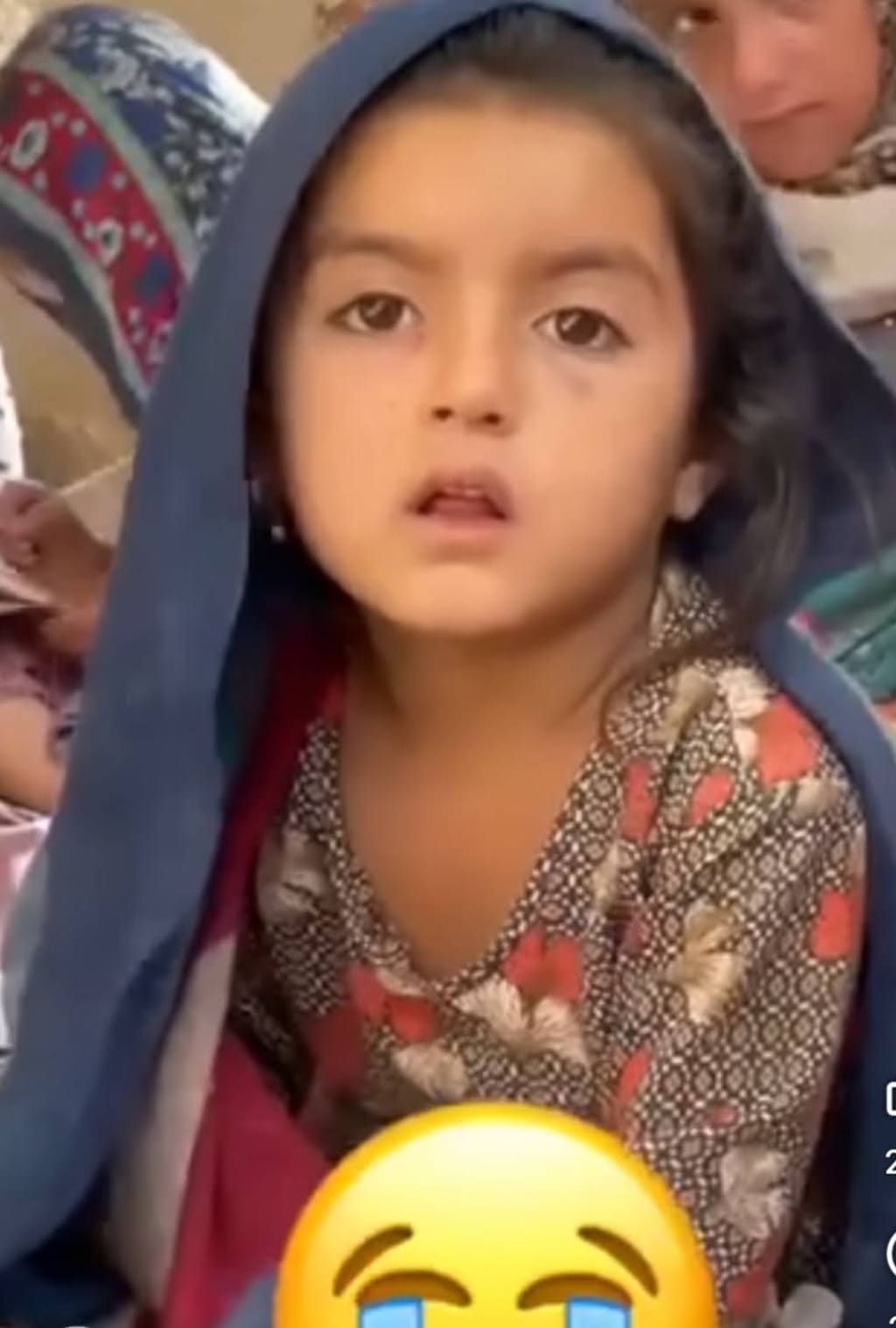
I write this with a heavy heart: some time ago, her father passed away in a tragic traffic accident. And he left his alone wife and daughter in this world.
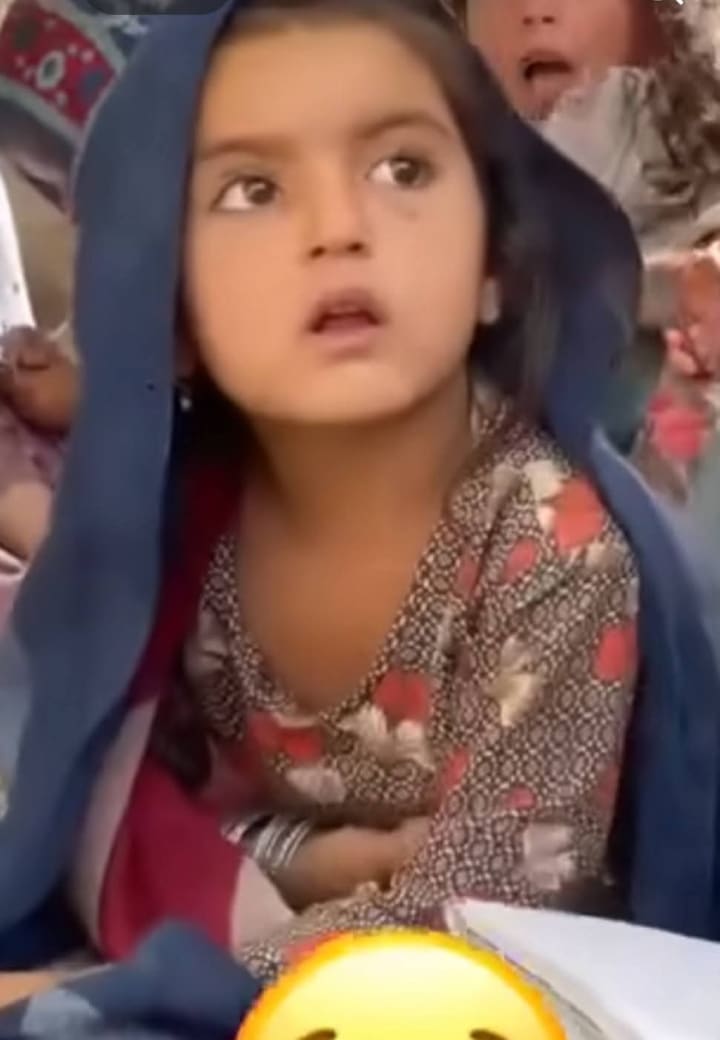
Before that, she used to come to class with a smile that could light up the room. She was playful, full of jokes, and always bright and diligent in her studies. She never missed a single day. When her father was around, she had everything she needed — pens, notebooks, and all her school supplies. Life seemed full of promise for her, full of small joys and laughter.
But after that fateful day, everything changed. She no longer had the courage to attend school regularly, nor did she laugh and joke as before. Her eyes, once sparkling, were now lost in endless thoughts and worries. I could see the pain of losing her father etched in every movement, every sigh.
Her mother, too, became weak and fragile almost overnight. The weight of grief had stolen her strength, leaving her unable to provide for her daughter as she once had. I noticed that the girl’s clothes were tattered, her meals meager. The bright, cheerful child I had taught was slowly fading under the harsh realities of life.
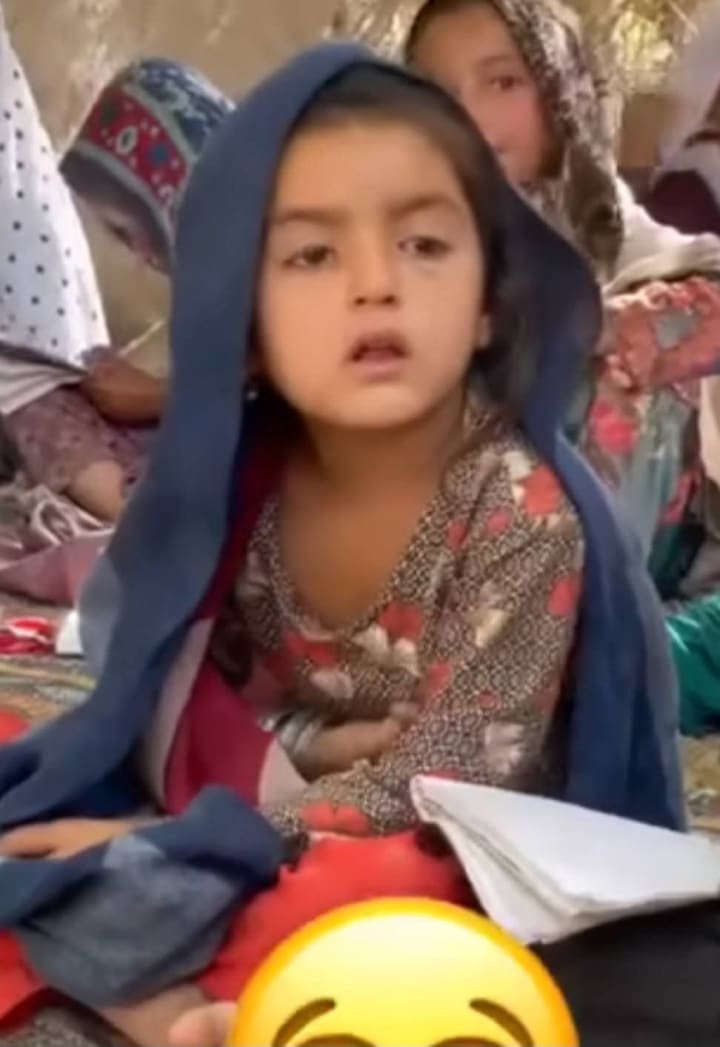
One day, she stopped coming to school entirely. When I asked the other students about her, they said she was living through a very poor and difficult life. She could not afford even basic books or pens. Sometimes, she didn’t even have enough food to eat. Concerned, I went to her home, but she and her mother were not there.
After some searching, I found them in a neighbor’s house, working as laborers. My heart broke at the sight: the little girl, so small and fragile, was helping her mother carry heavy loads. Her thin body trembled with exhaustion. Her mother’s skin, once beautiful, had darkened under the sun and labor, and her hands were raw and worn. After a full day’s work, they earned only 300 Afghani — barely enough to cover their most basic needs.
I tried to persuade her to come back to school, to continue her education, but she remained silent, too young to speak up for herself. Her mother, with a sad but gentle smile, promised, “Tomorrow I will send her. I will give her 200 Afghani for pens and notebooks, and we will use the remaining 100 Afghani for food.” I could see her love for her daughter, even in their suffering, and my heart ached for them both.
But soon, she disappeared from school again. When I visited, her mother was very sick. Their home was bare, with only a small, old, worn rug. There was no food, no comfort, only hardship and sorrow. Tears of disappointment ran down her mother’s face as she tried to smile, trying to protect her daughter from despair. I prepared some food for them, but I could not stay; I had to return to my duties.
Then, the worst news arrived: her mother had passed away. The little girl, once full of laughter and joy, was now completely alone. I thought of the bright child who had once filled my classroom with happiness, and my heart ached. She had lost everything — her father, her mother, her childhood, and the comfort of a safe home.
Her story is not unique. I have seen many children like her, innocent souls crushed by loss and poverty. But seeing her suffer, day after day, was unbearable. She was strong, yet so small, and the world demanded more than any child should bear.
I write this to remind everyone: we must care for the orphans, the children whose hearts carry more pain than they can express. They are pure and innocent, yet forced to face unimaginable hardship. Their silent tears speak louder than words, and they need our help, our compassion, and our love.
About the Creator
Life Hopes
I share poetry, real-life stories, and reflections that inspire growth, resilience, and purpose. My vision is to guide others toward living with hope, kindness, and meaning through words that heal and uplift.
Keep reading
More stories from Life Hopes and writers in Humans and other communities.
The Ache of Never Enough
There is a strange ache that lives inside every human heart — a quiet, restless longing that never fully sleeps. It wakes in moments of silence, when the noise of the world fades and we are left alone with ourselves. It whispers that something is missing — that no matter how much we have, no matter how far we’ve come, it’s still not enough.
By Life Hopes4 months ago in Humans
A Knight of the Seven Kingdoms Series Review (Season 1)
As one of the biggest properties in fantasy, A Song of Ice and Fire remains immensely popular with audiences. After reaching far into the past with House of the Dragon, a second spin-off was on the cards. A Knight of the Seven Kingdoms serves up a bite-sized slice of action and drama, but it still claims a spot among the best small-screen titles.
By Robert Cain7 days ago in Geeks




Comments
There are no comments for this story
Be the first to respond and start the conversation.