
The World Is Too Much For Us
He didn’t disappear—he just remembered how to breathe


**The World Is Too Much for Us**
By; Abdur-Rahman
By
The city hummed like a restless beast—cars honking, people shouting, screens flashing endless streams of information. Noah stood at the edge of the rooftop, his fingers gripping the cold railing as the wind whipped through his hair. Below him, life moved in chaotic waves, but up here, for just a moment, there was silence.
He had always felt it—the weight of the world pressing down, the relentless rush of expectations, the noise that never truly faded. His therapist called it "modern fatigue," the exhaustion of a mind forced to process more than it was ever meant to. His friends joked that he just needed to "log off" for a while. But it wasn’t that simple.
Noah wasn’t just tired. He was drowning.
### **The Breaking Point**
It started with small things—the way his phone buzzed incessantly, the way his boss expected replies at midnight, the way social media made him feel like he was always behind. Then came the sleepless nights, the headaches that never faded, the hollow ache in his chest.
One evening, after scrolling through yet another news cycle of disasters and political chaos, he threw his phone across the room. The screen cracked, but the noise in his head didn’t stop.
*"The world is too much for us,"* he whispered, recalling an old poem he’d read in college. He never understood it until now.
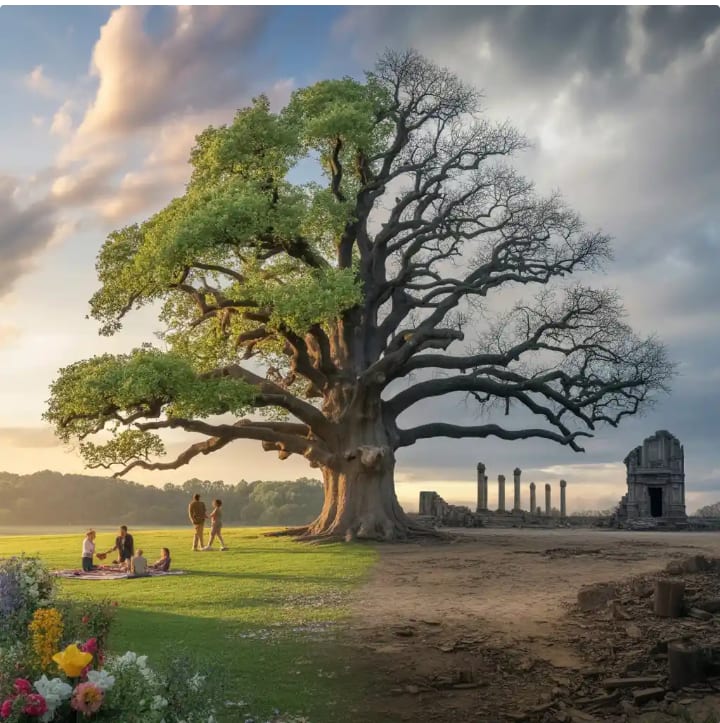
### **The Escape**
The next morning, Noah didn’t go to work. He drove instead—no destination, just movement. The highway stretched before him, empty and quiet. For the first time in months, he breathed.
Hours later, he found himself in a small coastal town, the kind of place time had forgotten. No billboards, no skyscrapers, just the steady rhythm of the ocean and the occasional cry of a seagull. He rented a cabin with no Wi-Fi, no TV, just a bed, a desk, and a window that faced the sea.
At first, the silence was deafening. His fingers twitched for his phone. His mind raced with unfinished tasks. But slowly, something shifted.
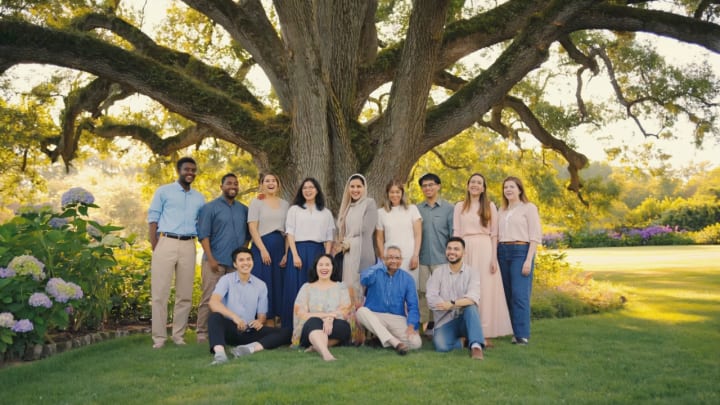
### **The Unlearning**
Noah began to wake with the sun instead of an alarm. He walked barefoot on the sand, feeling the earth beneath him. He read books—real books, with pages that smelled like dust and ink. He wrote in a journal, not for an audience, but for himself.
One evening, as he sat by the shore, an old fisherman approached him.
"You running from something, son?" the man asked, his voice rough but kind.
Noah hesitated. "Not running. Just… trying to remember how to be still."
The fisherman chuckled. "Ain’t that the truth. The world out there—it’s like a storm. But storms pass. The sea? It’s always been here. Always will be."
### **The Return**
Weeks turned into a month. Noah’s skin was tanned, his mind clearer than it had been in years. He knew he couldn’t stay forever—bills, responsibilities, life—they were all waiting. But he wasn’t the same man who had fled the city.
When he finally returned, he did so with new rules. His phone stayed on silent. Work emails were answered only during work hours. He deleted social media. He said "no" more often.
The world was still loud. But now, Noah knew how to find the quiet.
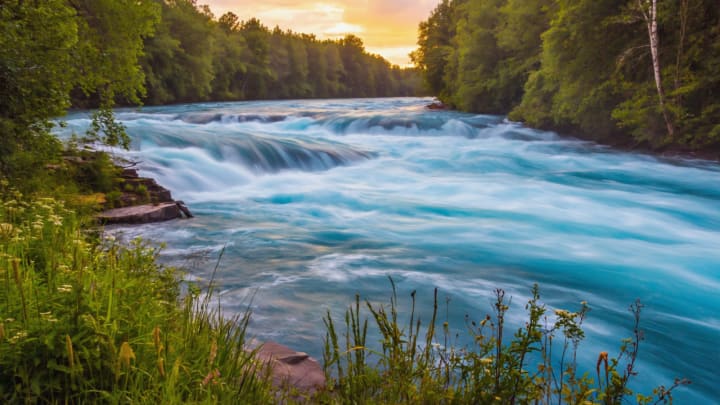
### **The Lesson**
We weren’t made for this—the endless notifications, the pressure to always be "on," the illusion that we must consume everything, all the time. The world *is* too much for us. But we don’t have to let it swallow us whole.
Sometimes, the bravest thing we can do is step away. To remember what it feels like to be human—not a machine, not a product, but a living, breathing soul.
Noah still visits the rooftop sometimes. But now, he doesn’t go there to escape. He goes there to remember.
And that makes all the difference.
About the Creator
Keep reading
More stories from Abdur-rahman and writers in Humans and other communities.
How Do Himalayan Salt Bricks Create Healthier Hospitals?
Himalayan salt bricks are changing how hospitals promote health. Today, medical centers seek simple ways to help patients heal safely. Instead of using advanced technology, some now opt for natural materials, such as salt bricks.
By david smithabout 4 hours ago in Humans



Comments (1)
Very nice story 👏