
The Unspoken Struggles of an Immigrant
A New life in Manchester
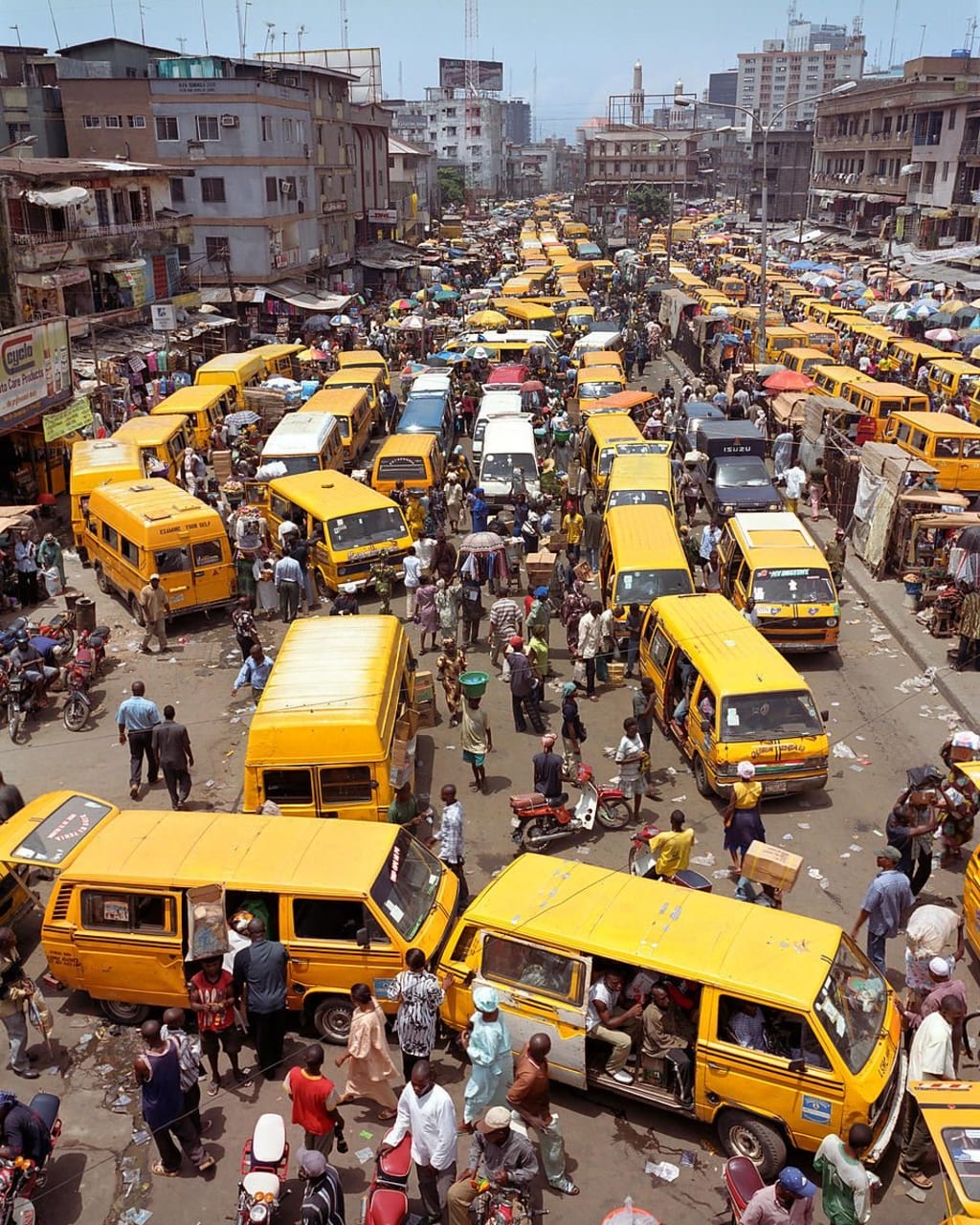
When I boarded that flight from Nigeria to the UK, my heart was full of hope. I was relocating to Manchester for a new beginning — a place with opportunities, a future, and a fresh path. But what I didn’t expect were the silent battles I’d face behind the smiles and the Instagram photos. There were days when I felt like I had made the best decision of my life, and nights when I wondered what I had gotten myself into.
One of the earliest challenges was adjusting to life under a student visa. Yes, I was legally in the UK but the restrictions were real. You could only work 20 hours per week during term time. That sounds fair on paper, but when you’re new, every job feels just out of reach. Many employers wouldn’t even consider you once they heard “student visa.” I applied for countless roles — retail, hospitality, even cleaning jobs — but rejection became a regular visitor in my inbox.
When I finally got my first job, I was grateful. But even that came with its own hurdles. Shifts were short, the pay just enough to get by, and the hours unpredictable. I met others like me hardworking, determined, but stuck in the cycle of waiting for something stable. It wasn’t laziness. It was the system. A lot of people back home don’t realize how tough it can be out here.
The language shock was another thing. I speak English fluently many Nigerians do. But the moment I opened my mouth, the accent made people pause. Some would ask me to repeat myself. Others just nodded, pretending to understand. I wasn’t speaking wrong I was just speaking differently. It made me self-conscious. I started watching how I spoke, changing my rhythm, softening my tone. Not because I wanted to lose my identity, but because I wanted to be heard.
Food was another big shift. Back in Nigeria, even the simplest meals are rich in flavour and culture. Here, I found food bland, strange, and far from what I was used to. I missed pepper soup, jollof rice, suya. I missed the way food felt like home. Finding Nigerian groceries helped, but nothing compared to sitting down to a plate of mama’s cooking on a Sunday afternoon.
The weather was a war on its own. The cold was not just outside it crept into my bones. My skin reacted badly patches, dryness, breakouts. I had to change my entire skincare routine, buy thick coats and gloves, and learn the hard way that Manchester rain doesn’t care if you have plans.
Then came the cultural adjustments. In Nigeria, we greet elders with “Good morning, sir” or “Good afternoon, ma.” In Manchester, calling someone “ma” made them feel old or offended. People valued informality — a simple “Hi” was enough. At first, I felt rude keeping my greetings so short, but eventually, I learned to adapt.
There was also the loneliness. Back home, it’s easy to strike up conversations. Here, people stayed in their lanes. You could sit on a bus with someone for thirty minutes and not exchange a word. It took time before I found people I could truly connect with fellow immigrants, students, and others who understood what it meant to be caught between two worlds.
Still, every struggle taught me something. I learned to appreciate my roots even more. I learned to be resilient. I learned that while my accent might be different, my voice still matters. I learned that success doesn’t always come quickly, but with patience and consistency, it finds its way.
Now, when I walk through Manchester, I carry both worlds within me. The strength of my Nigerian upbringing and the lessons of my new environment. I’m still adjusting, still growing, and still dreaming but I no longer feel like I have to apologize for where I come from or how I speak.
To anyone thinking the journey abroad is easy it’s not. There are silent battles, culture shocks, and hidden tears. But there is also growth, discovery, and strength. This new life in Manchester isn’t perfect, but it’s mine. And every day, I write a new chapter.
About the Creator
Oluranti arinola Aina Babalola
Storyteller. Thinker. Unfiltered voice. I write about culture, life lessons, and the realities many people are too afraid to say out loud. From Nigerian roots to UK streets my words bridge perspectives.
Keep reading
More stories from Oluranti arinola Aina Babalola and writers in Humans and other communities.
Whiskey At Dusk
Guess the whiskey was more important to you in the end, wasn’t it? It was more than the well-being of your friends; more vital than showing up to the places you promised you would and could come to; more critical of a matter than fulfilling your damn responsibilities and getting the press off your back.
By Snarky Lisa4 days ago in Humans



Comments
There are no comments for this story
Be the first to respond and start the conversation.