
The Ultimate Hunting Camping Knife: A Survivalist’s Essential Tool!
Hunting Camping Knife

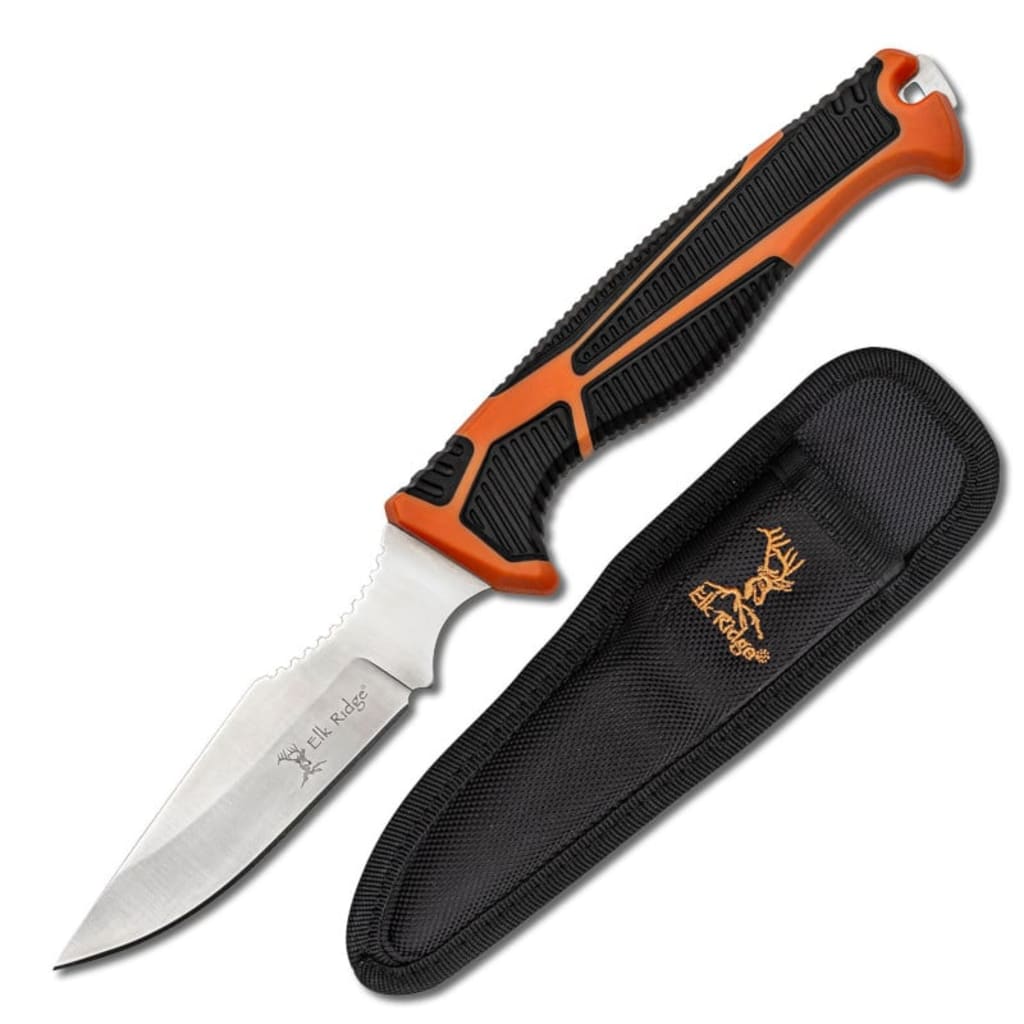
For outdoor enthusiasts, a hunting camping knife is a must-have tool because it combines the functionality needed for survival tasks with the accuracy required for hunting. This versatile and long-lasting knife can be used for many tasks, such as skinning games and making shelter, as well as tasks like food preparation and rope cutting.
The handle is ergonomically designed to offer a secure grip in any situation, and the blade is usually made of high-quality steel with a sharp edge that can withstand the rigors of the wilderness. A hunting camping knife is essential for tasks like disemboweling a deer, splitting wood for a fire, and cutting through tough materials. It guarantees that you are prepared for the erratic demands of the natural world.
Choosing the Right Blade: Key Factors for Perfect Knife
Any outdoor adventure requires careful consideration when choosing a hunting camping knife. Since the blade is the core of the knife, its design has a big influence on how well it works. Think about the blade material when selecting a knife; it should be strong, resistant to corrosion, and simple to sharpen. Carbon steel and stainless steel are common options, each with special advantages. Carbon steel offers better edge retention than stainless steel, which is renowned for its rust resistance.
Another important consideration is the length of the blade, which should ideally be between 4 and 6 inches for maximum adaptability when hunting and camping. Another important factor is the type of blade; drop point or clip point blades are frequently chosen for their strength and accuracy combination. A well-made camping knife should be able to withstand whatever the outdoors throws at it by striking the ideal balance between robustness, sharpness, and ease of maintenance.
Handle Design: Ensuring Comfort and Control in the Wild
Because it directly influences the user's grip and control while using the knife, the handle of a hunting camping knife is just as important as the blade. A well-made handle should guarantee accurate cuts and offer a firm grip even in damp or slick situations to avoid mishaps. Rubber, Micarta, and G-10 are common materials because of their strength and non-slip qualities. Another important factor is ergonomics; a handle that fits comfortably in your hand will help you avoid getting tired after using it for extended periods.
An additional layer of safety is added by a strategically placed finger guard or bolster, and the handle's texturing or contouring can improve grip. Furthermore, maneuverability may be impacted by the handle's weight and balance with the blade, so it's critical to select a knife that feels comfortable and well-balanced for your particular requirements. Enhancing the efficiency and enjoyment of your hunting and camping experience requires a handle that combines comfort, safety, and control.
Multi-Purpose Functionality: Maximizing the Outdoor Uses
To cut down on the amount of extra gear that needs to be carried, a hunting camping knife should be more than just a cutting tool. A multipurpose knife can be used for anything from building shelter and skinning games to chopping rope and preparing meals. Certain knives have extra features that make them even more useful for a variety of outdoor tasks, such as a gut hook for field dressing or a serrated edge for sawing.
Having multiple knife applications not only reduces weight but also makes sure you're ready for unforeseen circumstances in the outdoors. Seek for a knife that, without sacrificing the quality of the blade or handle, strikes a balance between these secondary features and its primary cutting function. Through the optimization of your hunting camping knife's functionality, you can augment your independence and readiness for outdoor pursuits.
Maintenance and Care: Prolonging the Life of Your Knife
Your hunting camping knife needs to be properly maintained and cared for to last a long time. Cleaning the knife after every use is essential, especially if it has come into contact with sap, blood, or moisture, as these substances can cause the blade to dull or corrode. Another essential component of upkeep is sharpening; a dull knife lowers effectiveness and raises the possibility of harm. The knife's edge can be maintained by using a special sharpening tool or stone.
Furthermore, maintaining the knife's quality and preventing rust can be achieved by lightly oiling the blade. It's important to take good care of the handle as well, especially if it's made of wood or another natural material that can dry out or crack. You can extend the life of your knife even further by keeping it in a dry, cool place or a sheath when not in use. You can make sure that your hunting camping knife is a trustworthy travel companion for all of your outdoor adventures by committing to perform routine maintenance.
About the Creator
Mai Sophia
A Writer/blogger by day, a knife enthusiast and survivalist by night. I've reviewed a lot of products and have helped people make the right purchase
Keep reading
More stories from Mai Sophia and writers in Humans and other communities.
Kunai Knife: From Ancient Tool to Modern Marvel!
An instrument with a long history in Japan, the kunai knife started as a basic farming tool. The kunai was originally used in ancient Japan as a masonry trowel, but it was also used for prying and digging. Ninjas were immediately drawn to it by its sturdy and adaptable design, as they recognized its potential as a dual-purpose tool and weapon.
By Mai Sophia2 years ago in Humans
First Date Strategies Help Singles Build Rapport Trust And Connection
The first date should be prepared. The advantage of pre-reflection on the expectation, interests, and boundaries is beneficial to singles. Being aware of own goals in the date assists in steering the dialogue and actions as well as alleviating anxiety. Mental preparedness also enables people to come out themselves in the real sense and have the confidence to do so.
By Mark Hipster4 days ago in Humans




Comments
There are no comments for this story
Be the first to respond and start the conversation.