
The Ultimate Guide to Skincare Hair: Achieving Healthy Hair and Glowing Skin
Taking care of your hair and skin is crucial for both your appearance and overall health. In this
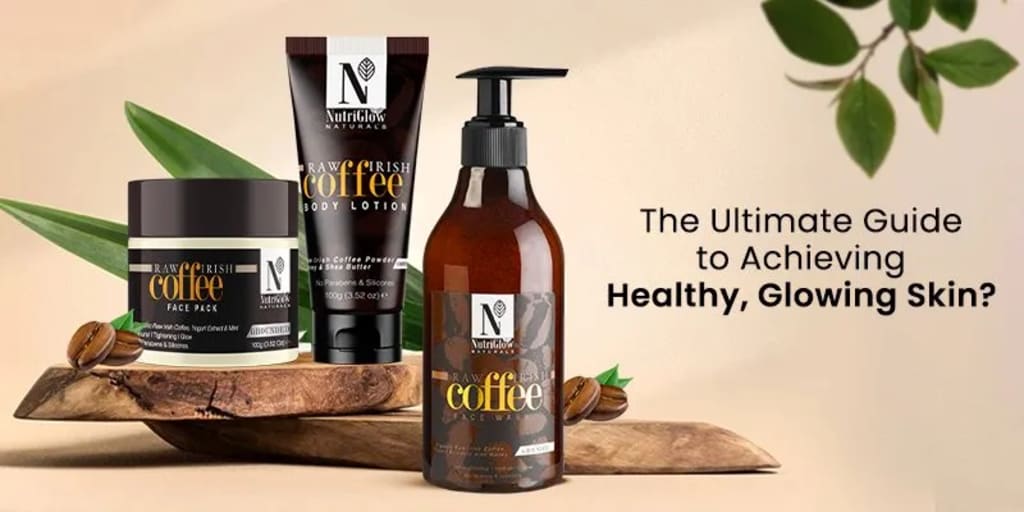
Taking care of your hair and skin is crucial for both your appearance and overall health. In this comprehensive guide, we'll explore effective strategies and routines to help you achieve healthy hair and glowing skin. Whether you're dealing with dry skin, oily hair, or simply want to maintain your natural beauty, we've got you covered.
Understanding Your Hair and Skin
Hair Types
Straight Hair
Straight hair is generally smooth and lacks curls. It's often shiny due to its ability to reflect light better than curly hair. However, it can also become oily quickly because the natural oils can easily travel down the hair shaft.
Wavy Hair
Wavy hair falls between straight and curly hair types. It has a natural wave that can range from loose to more defined. Wavy hair can be prone to frizz and may need products to enhance its natural texture.
Curly Hair
Curly hair forms ringlets or spirals. This hair type is often voluminous but can be prone to dryness and frizz. It's important to keep curly hair well-moisturized and to use products that define curls without weighing them down.
Coily Hair
Coily hair, also known as kinky hair, has tight curls or coils. It's the most fragile hair type and requires a lot of moisture to stay healthy. Coily hair is prone to shrinkage, which means it appears shorter than it actually is.
Skin Types
Oily Skin
Oily skin produces excess sebum, which can lead to a shiny complexion and clogged pores. People with oily skin often struggle with acne and blackheads but can benefit from regular cleansing and exfoliation.
Dry Skin
Dry skin lacks moisture and can feel tight or rough. It may be prone to flaking and irritation. Using hydrating products and avoiding harsh cleansers can help maintain the skin's moisture balance.
Combination Skin
Combination skin features both oily and dry areas. Typically, the T-zone (forehead, nose, and chin) is oily, while the cheeks are dry. This skin type requires a balanced approach to address both concerns.
Sensitive Skin
Sensitive skin can react to products and environmental factors, leading to redness, itching, or burning. It's essential to use gentle, hypoallergenic products and to patch test new items before full application.
Building a Hair Care Routine
Cleansing
Choosing the Right Shampoo
Selecting a shampoo that suits your hair type is crucial. For oily hair, a clarifying shampoo can help remove excess oil. For dry hair, a moisturizing shampoo with natural oils and proteins is ideal.
Frequency of Washing
How often you wash your hair depends on your hair type and lifestyle. Oily hair may need daily washing, while dry hair might only require washing once or twice a week to avoid stripping natural oils.
Conditioning
Benefits of Conditioner
Conditioner helps to detangle hair, reduce frizz, and add moisture. It creates a protective layer around the hair shaft, making it smoother and more manageable.
How to Apply Conditioner
Apply conditioner mainly to the ends of your hair, where it's the driest. Avoid the roots to prevent greasiness. Leave it on for a few minutes before rinsing thoroughly.
Deep Conditioning and Hair Masks
When to Use
Deep conditioning treatments and hair masks should be used once a week or as needed. These treatments provide intense hydration and repair damaged hair.
DIY Hair Masks
Creating your own hair masks using ingredients like honey, avocado, and coconut oil can be an effective and natural way to nourish your hair.
Essential Skincare Routine
Cleansing
Choosing the Right Cleanser
Select a cleanser that matches your skin type. For oily skin, a foaming cleanser works well. For dry skin, a creamy, hydrating cleanser is ideal.
Double Cleansing Method
Double cleansing involves using an oil-based cleanser followed by a water-based one. This method ensures thorough removal of makeup and impurities.
Exfoliating
Physical vs. Chemical Exfoliation
Physical exfoliation uses scrubs to remove dead skin cells, while chemical exfoliation uses acids like AHA and BHA to dissolve them. Both methods can be effective, but choose the one that suits your skin sensitivity.
How Often to Exfoliate
Exfoliating 1-3 times a week is usually sufficient. Over-exfoliating can lead to irritation and damage, especially for sensitive skin.
Moisturizing
Importance of Hydration
Keeping your skin hydrated is essential for maintaining its elasticity and preventing premature aging. A good moisturizer can lock in moisture and provide a protective barrier.
Finding the Right Moisturizer
Choose a moisturizer based on your skin type. Gel-based moisturizers are great for oily skin, while cream-based ones work well for dry skin.
Sun Protection
Why SPF is Crucial
Sun exposure can cause premature aging, hyperpigmentation, and skin cancer. Using sunscreen daily helps protect your skin from harmful UV rays.
Choosing the Right Sunscreen
Opt for a broad-spectrum sunscreen with at least SPF 30. Reapply every two hours, especially if you're outdoors.
Nutrition for Healthy Hair and Skin
Vitamins and Minerals
Vitamin A
Vitamin A promotes healthy skin cell production and repair. Foods like carrots, sweet potatoes, and leafy greens are rich in Vitamin A.
Vitamin C
Vitamin C is essential for collagen production, which keeps skin firm and hair strong. Citrus fruits, strawberries, and bell peppers are excellent sources.
Vitamin E
Vitamin E protects against oxidative stress and UV damage. Nuts, seeds, and spinach are rich in Vitamin E.
Hydration
Importance of Water
Staying hydrated helps maintain skin elasticity and supports overall hair health. Aim to drink at least 8 glasses of water a day.
Hydrating Foods
Foods high in water content, such as cucumbers, watermelon, and oranges, can also contribute to your hydration needs
About the Creator
Whiskey At Dusk
Guess the whiskey was more important to you in the end, wasn’t it? It was more than the well-being of your friends; more vital than showing up to the places you promised you would and could come to; more critical of a matter than fulfilling your damn responsibilities and getting the press off your back.
By Snarky Lisa7 days ago in Humans
The Emotional Cost Of Ghosting And Sudden Romantic Disappearances
Ghosting has now been an everyday occurrence in dating, particularly with the emergence of online dating and dating apps. Humans are able to establish emotional attachment within a short period of time only to find the other party vanish without any notice. This is a silent denouement, which makes people puzzled and emotionally disoriented. In the absence of closure, the mind finds it hard to process the wrong that took place. Most conversations are replayed, trying to find the errors and even thinking they are the cause of the disappearance. The emotional blow is even more powerful than a blunt refusal since the not knowing makes one uncertain and desirous of answers but this is not the case.
By Kellee Bernier5 days ago in Humans



Comments (2)
Awesome lines
Thanks for the guide