
The Ukraine-Russia Conflict, USA USE IT FOR HIS WEAPON EXPORT
USA exploits the conflict for weapon exports, the dynamics of the arms trade

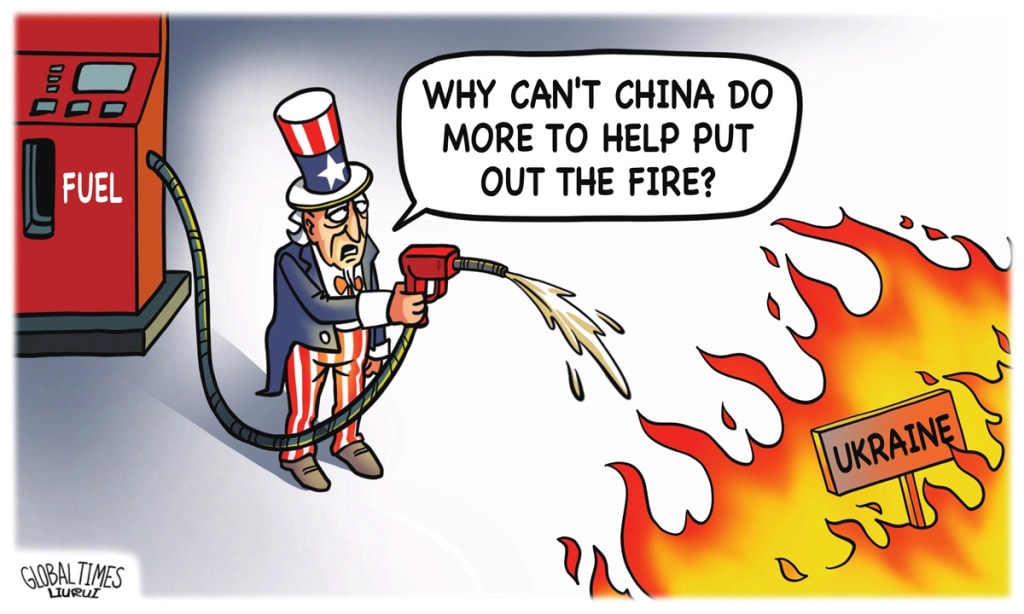
The assertion that the USA uses the Ukraine-Russia conflict to increase its weapon exports requires a nuanced examination of the geopolitical dynamics, arms trade, and the USA's involvement in the region. This essay will delve into the factors contributing to the perception that the USA exploits the conflict for weapon exports, the dynamics of the arms trade, and the broader implications for international relations and regional stability.
1. Background and Historical Context:
The Ukraine-Russia conflict, which began in 2014, has been marked by territorial disputes and geopolitical tensions between Ukraine and Russia. The annexation of Crimea by Russia and the emergence of pro-Russian separatist movements in eastern Ukraine resulted in a protracted armed conflict that continues to impact the region.
2. The Role of the USA in the Conflict:
The USA has been a key player in the Ukraine-Russia conflict, expressing strong support for Ukraine's sovereignty and territorial integrity. The USA's involvement includes diplomatic support, financial assistance, and military aid to Ukraine to bolster its defense capabilities and resilience in the face of Russian aggression.
3. Arms Trade and the Defense Industry:
The USA is one of the world's largest arms exporters, and the defense industry plays a crucial role in its economy. The sale of weapons and military equipment to other countries is a significant source of revenue and contributes to job creation within the defense sector.
4. Perception of Weapon Exports Exploitation:
Critics argue that the USA may exploit the Ukraine-Russia conflict to increase its weapon exports. This perception is based on several factors:
a) Increased Demand for Weapons: The ongoing conflict has heightened security concerns in Ukraine and other neighboring countries. As a result, there is an increased demand for military equipment and weapons to bolster defense capabilities.
b) USA's Strategic Interests: The USA may view the conflict as an opportunity to strengthen its strategic partnerships with Ukraine and other allies in the region. By providing military aid and equipment, the USA can deepen its engagement in the region and enhance its influence.
c) Geopolitical Considerations: The USA's support for Ukraine can be seen as a response to Russia's actions in the region. By supplying weapons and military assistance, the USA aims to counter Russian influence and deter further aggression.
d) Economic Incentives: The arms trade is a lucrative business, and increased weapon exports can boost the USA's defense industry, contributing to economic growth and job creation.
5. USA's Military Assistance to Ukraine:
The USA has provided significant military assistance to Ukraine since the onset of the conflict. This assistance includes the supply of weapons, equipment, and training to enhance Ukraine's defense capabilities. Some of the weapons supplied include anti-tank missiles, rifles, artillery, and communication equipment.
6. Impact on Regional Stability:
While the USA's military aid to Ukraine is intended to bolster its security, it also has broader implications for regional stability. The supply of advanced weapons to Ukraine can escalate tensions with Russia and potentially lead to an arms race in the region.
7. Concerns and Criticisms:
The perceived exploitation of the conflict for weapon exports has generated concerns and criticisms from various actors:
a) Escalation of Conflict: Critics argue that the supply of advanced weapons to Ukraine may escalate the conflict further, leading to more casualties and humanitarian crises.
b) Impact on Diplomacy: The USA's military aid may hinder diplomatic efforts to find a peaceful resolution to the conflict. Russia perceives the weapon supply as a provocative act, complicating diplomatic negotiations.
c) Arms Proliferation: There are concerns that weapons supplied to Ukraine may end up in the wrong hands or contribute to arms proliferation, posing risks to regional and global security.
d) Humanitarian Concerns: Critics argue that increased weapon exports can exacerbate the humanitarian impact of the conflict, leading to more civilian casualties and displacement.
8. Broader Context of Geopolitics:
The USA's involvement in the Ukraine-Russia conflict cannot be viewed in isolation but must be understood within the broader context of geopolitics. The conflict reflects deeper tensions between Russia and Western countries, with Ukraine serving as a focal point.
9. Humanitarian Assistance and Non-Lethal Aid:
It is essential to note that the USA's engagement in the conflict also includes non-lethal aid and humanitarian assistance to support Ukraine's civilian population. This assistance includes food, medical supplies, and funding for reconstruction efforts.
10. Conclusion:
The perception that the USA uses the Ukraine-Russia conflict to increase its weapon exports is a complex issue with multiple factors at play. While the USA's military aid to Ukraine aims to support its sovereignty and security, it also raises concerns about arms proliferation and regional stability. It is essential for all stakeholders to prioritize diplomatic efforts and seek peaceful resolutions to the conflict to alleviate the humanitarian impact and prevent further escalation. The broader geopolitical context and the interests of all parties involved must be carefully considered to promote stability, security, and cooperation in the region.
About the Creator
Keep reading
More stories from suman dewan and writers in Humans and other communities.
Arms Company Ethical Dilemmas: National Security vs. Profit Maximization
In an increasingly interconnected and complex global landscape, arms companies play a pivotal role in shaping national security and geopolitical dynamics. However, this role often leads to ethical dilemmas as these companies must navigate the delicate balance between safeguarding a nation's security and maximizing profits. This essay delves into the intricate ethical considerations that arms companies face when reconciling national security imperatives with profit motives, analyzing the challenges, consequences, and potential solutions to this pressing issue.
By suman dewan2 years ago in Humans
Time to change your life.
Is it even possible for you to change your life? A lot of people, more than there should be, are unhappy with their lives. But what are they doing about it? Usually nothing. People talk about how shitty their lives are and want change, but are they not taking the actions to change?
By Jen Phillips3 days ago in Humans


Comments
There are no comments for this story
Be the first to respond and start the conversation.