
The Top 5 Tips for Healthy Natural Hair
Read This Article To Learn More..

If you're looking to achieve healthy natural hair, then you've come to the right place! Here are the top 10 tips for having healthy, natural hair. From simple everyday tips to more involved treatments, these techniques will help you maintain a healthy head of hair. We'll cover
everything from diet and lifestyle to product selection and how to keep your scalp clean and healthy. With these tips, you can take control of your hair health and look and feel your best. So, let's get started on the journey to healthy natural hair!
1) Why Natural Hair Health is Important
Having healthy natural hair is not just about looking good; it's about taking care of the overall health of your hair and scalp. When your hair is healthy, it is strong, shiny, and has a natural bounce to it. It is also less prone to breakage, split ends, and hair loss.
Natural hair health is important because it allows your hair to grow to its full potential. When your hair is unhealthy, it can become weak and brittle, which hinders its ability to grow long and strong. This can be frustrating, especially if you are trying to achieve length.
Additionally, healthy natural hair is easier to manage and style. When your hair is in good condition, it is more manageable, which means you can spend less time and effort trying to detangle and style it. It also holds styles better and is less prone to frizz and flyaways.
Moreover, having healthy natural hair boosts your self-confidence and allows you to embrace your natural beauty. When your hair looks and feels good, you feel good too. It is a reflection of your overall well-being and can positively impact how you feel about yourself.
2) Understanding Your Hair Type
When it comes to achieving natural hair health, one of the first things you need to do is understand your hair type. Your hair type determines the specific care and maintenance it requires to stay healthy and vibrant.
There are four main hair types: straight, wavy, curly, and coily. Each hair type has unique characteristics that require different approaches to care. Straight hair tends to be smooth and shiny, while wavy hair has a slight S-shaped pattern. Curly hair has a more pronounced curl pattern, and coily hair has tight, spring-like curls.
Understanding your hair type helps you choose the right products and techniques for your specific needs. For example, straight hair may benefit from lightweight products that add volume, while curly and coily hair may need more moisture and definition. Additionally, knowing your hair type can help you identify potential issues such as dryness, frizz, or breakage and address them accordingly.
To determine your hair type, simply observe your hair's natural pattern when it's freshly washed and free of products. Take note of the curl pattern, texture, and how your hair responds to different products and styling methods. You can also seek guidance from a professional hairstylist or use online resources to help identify your hair type.
Once you understand your hair type, you can tailor your hair care routine to meet its specific needs, leading to healthier, more manageable, and more beautiful natural hair.
3) Regular Washing and Conditioning
One of the key elements of achieving healthy natural hair is through regular washing and conditioning. Keeping your hair clean is crucial for healthy growth and preventing breakage. However, it’s important to not overdo it as too much washing can strip your hair of its natural oils. How often you wash your hair can depend on your hair type and daily activities.
When washing your hair, it’s important to use a gentle shampoo that doesn’t contain harsh chemicals that can dry out your hair. Focus on massaging your scalp to stimulate blood flow and distribute the shampoo evenly throughout your hair. After rinsing, follow up with a moisturizing conditioner. Allow the conditioner to sit for a few minutes before rinsing thoroughly.
It’s important to note that not all conditioners work for everyone. Finding the right conditioner for your hair type and concerns can make a significant difference in the overall health of your hair. Consider incorporating deep conditioning treatments into your routine once or twice a month for extra nourishment. By consistently washing and conditioning your hair, you can promote healthy growth and maintain its natural shine and moisture.
4) Avoiding Harsh Chemicals and Heat
Harsh chemicals and heat can severely damage your natural hair and lead to breakage and dryness. Avoiding chemicals like sulfates, parabens, and silicones in your hair products is crucial for maintaining healthy hair. Additionally, reducing heat styling and using protective products can help prevent damage and breakage. Opt for air drying, low-heat styling, or protective styles like braids or twists to minimize heat exposure. Remember, healthy hair is more important than temporary styling convenience.
5) Maintaining a Healthy Scalp
In addition to washing and conditioning your hair, it's important to focus on your scalp. A healthy scalp is essential for natural hair growth and overall hair health. Make sure to massage your scalp regularly to stimulate blood flow and promote healthy hair growth. You can also try using a natural scalp oil or tonic to nourish and hydrate your scalp. Be sure to avoid harsh chemicals and treatments that can damage your scalp, such as frequent use of hot styling tools or tight hairstyles that pull on your hair and scalp. With a little extra care and attention, you can achieve a healthy, vibrant head of natural hair.
if you want to learn my #1 way to achieve healthy natural hair, Click Here Now.
About the Creator
Keep reading
More stories from writers in Humans and other communities.
Whiskey At Dusk
Guess the whiskey was more important to you in the end, wasn’t it? It was more than the well-being of your friends; more vital than showing up to the places you promised you would and could come to; more critical of a matter than fulfilling your damn responsibilities and getting the press off your back.
By Snarky Lisa5 days ago in Humans
Ben Shelton and the Pressure of Growing Up in Pro Tennis
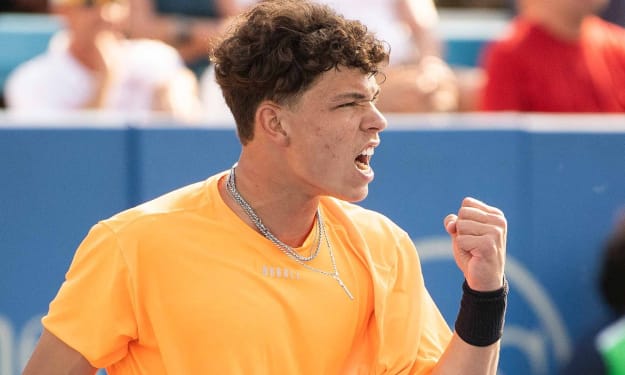
Some tennis careers begin quietly, while others unfold under a bright, uncomfortable spotlight. Ben Shelton belongs to the second group. From his first breakthrough matches, expectations followed him closely. Fans noticed his power. Commentators talked about his age. Social media moved faster than his own understanding of what was happening. A name suddenly carried weight. For many viewers, Ben Shelton feels like a story still being written in real time. His journey is not just about forehands and serves. It is about learning who you are while the world watches. This article looks at Ben Shelton’s rise, his playing style, the pressure surrounding young athletes, and what his path says about patience in modern tennis.
By Muqadas khanabout 19 hours ago in Humans
🅼🅸🅳🅽🅸🅶🅷🆃 🆂🅽🅰🅲🅺🆂
"It's 10 in Tuscon! We all know what that means... It's Time for Midnight Snacks with your man, Gerald Gee! Ready to spend the night together? Me too! I'm full of snacks and can't wait to regurgitate them all back into your hungry ears. Crack a brew! Pop some corn! Anything to get ready for one hell of a show where the talk maybe cheap but the words cut deep...
By Lamar Wiggins7 days ago in Fiction



Comments
There are no comments for this story
Be the first to respond and start the conversation.