
Ben Shelton and the Pressure of Growing Up in Pro Tennis
Some tennis careers begin quietly, while others unfold under a bright, uncomfortable spotlight.

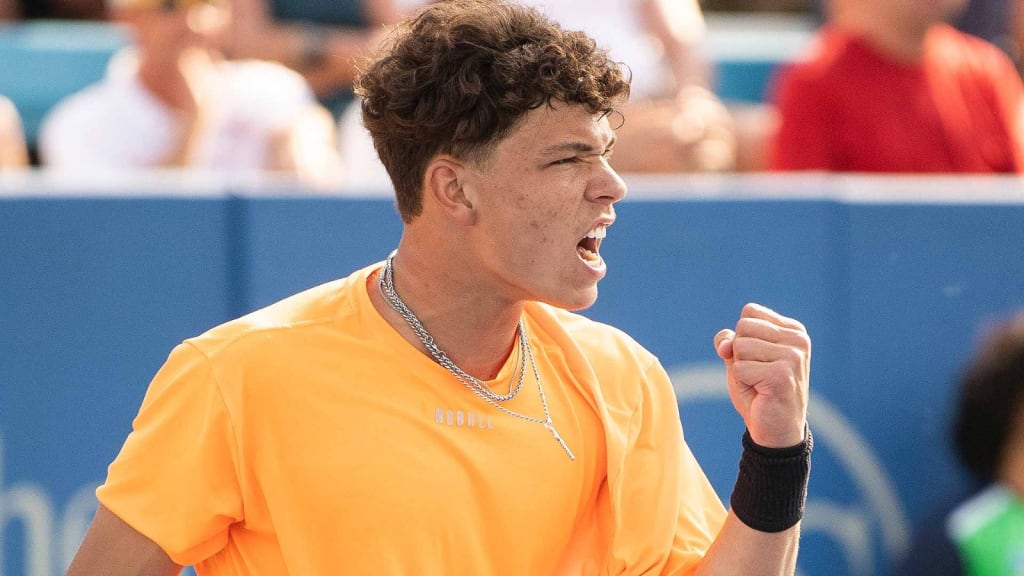
Some tennis careers begin quietly, while others unfold under a bright, uncomfortable spotlight. Ben Shelton belongs to the second group. From his first breakthrough matches, expectations followed him closely. Fans noticed his power. Commentators talked about his age. Social media moved faster than his own understanding of what was happening. A name suddenly carried weight. For many viewers, Ben Shelton feels like a story still being written in real time. His journey is not just about forehands and serves. It is about learning who you are while the world watches. This article looks at Ben Shelton’s rise, his playing style, the pressure surrounding young athletes, and what his path says about patience in modern tennis.
Who Ben Shelton Is Beyond the Headlines
Ben Shelton is often introduced through quick labels. Young. Powerful. Confident. American. These words describe him, but they do not explain him.
He grew up around tennis but did not follow a predictable path. For a long time, he was not viewed as the future of anything. He developed at his own pace. That slower rise gave him space to enjoy the sport before it became a profession.
What stands out most is his openness. He speaks honestly about nerves, excitement, and confusion. This honesty makes him relatable. He feels like a young person navigating a demanding world, not a finished product pretending to be fearless.
Early Development and a Different Kind of Start
Many professional players train internationally from childhood. Ben Shelton stayed close to home. College tennis played a key role in his growth.
That environment offered structure without isolation. Team matches mattered. Education mattered. Losing did not end careers. This balance shaped his mindset.
College tennis also exposed him to pressure in a shared setting. Wins and losses belonged to a group. That experience softened the shock of individual competition later on.
When Ben Shelton entered the professional tour, he brought that grounded energy with him.
The Playing Style That Draws Attention
Ben Shelton’s game is impossible to ignore.
Power Built on Athleticism
His serve stands out immediately. Left-handed and explosive, it creates angles that unsettle opponents. Points can end quickly when his rhythm flows.
Groundstrokes follow a similar pattern. He hits with intent. When confident, he dictates rallies early.
This power comes from athleticism rather than brute strength. Movement supports his aggression. He is still learning when to pull back and when to push forward.
Learning Control in Real Time
Power alone does not win matches consistently. Ben Shelton continues to learn control. Choosing margins. Reading opponents. Accepting longer rallies.
This learning curve appears during matches. Moments of brilliance mix with moments of frustration. That contrast makes his matches emotional to watch.
Fans witness growth happening live, point by point.
The Emotional Side of Competing Young
Professional tennis exposes emotions publicly. For young players, this exposure arrives before emotional tools fully develop.
Ben Shelton reacts visibly during matches. Smiles come easily. So does disappointment. This honesty is refreshing but also risky.
Opponents sense emotional shifts. Momentum swings faster.
Managing emotion does not mean suppressing it. It means understanding it. Ben Shelton is still building that understanding.
Expectations and the American Narrative
American tennis carries its own weight. Past champions create constant comparison.
Every strong performance sparks headlines. Every loss invites doubt. This cycle follows Ben Shelton closely.
He did not choose this narrative. It arrived with his passport and success.
Handling expectations requires perspective. Ben Shelton often reminds himself that progress matters more than labels. This mindset protects joy and prevents burnout.
Social Media and the Speed of Judgment
Modern players grow up online. Praise and criticism appear instantly.
A single match can create thousands of opinions. Confidence builds. Confidence cracks.
Ben Shelton navigates this landscape carefully. He acknowledges support but limits obsession. Detachment becomes a skill, not indifference.
Learning when to listen and when to log off is part of his development.
Breakthrough Matches and Sudden Visibility
Every rising player experiences a moment when everything changes.
For Ben Shelton, deep tournament runs brought visibility. Crowds grew louder. Cameras stayed longer.
These moments test focus. Playing freely becomes harder when awareness increases.
Yet breakthroughs also build belief. They show that preparation matters. They confirm belonging.
Balancing excitement with calm remains an ongoing challenge.
Losses That Teach More Than Wins
Wins feel good. Losses teach lessons.
Ben Shelton has faced tough defeats. Matches where leads slipped away. Matches where nerves interfered.
These losses shape careers quietly. They reveal gaps in fitness, tactics, or mindset.
Ben Shelton approaches losses with reflection rather than denial. This habit keeps growth steady.
Coaching, Guidance, and Trust
Young players need stable guidance.
Ben Shelton’s team emphasizes communication. Feedback is direct but supportive. Adjustments are gradual.
Trust allows experimentation. Mistakes become learning moments instead of failures.
This environment encourages long-term thinking rather than short-term results.
Physical Growth and the Demands of the Tour
Professional tennis stresses the body constantly.
Travel disrupts routines. Matches pile up. Recovery becomes essential.
Ben Shelton continues to adapt physically. Strength training supports durability. Rest becomes intentional.
Understanding limits protects careers. Pushing blindly risks injury and burnout.
Physical maturity will arrive over time. Patience remains crucial.
Mental Endurance and Match Toughness
Mental endurance separates promising players from consistent contenders.
Ben Shelton shows flashes of resilience. Saving break points. Fighting through rough sets.
Consistency remains a goal. Staying focused across long matches tests discipline.
Mental endurance grows through repetition. Each tough match adds experience.
Learning to Win Ugly Matches
Beautiful tennis wins highlights. Ugly tennis wins tournaments.
Ben Shelton is learning this balance. Some matches require patience rather than power.
Playing within limits feels uncomfortable for aggressive players. Yet it extends careers.
These lessons appear gradually. Improvement often hides behind ordinary scorelines.
Relationship With Fans and Public Perception
Fans connect with Ben Shelton’s energy.
Celebrations feel genuine. Disappointment feels honest.
This openness builds loyalty. People support effort even when results vary.
Public perception can shift quickly. Staying grounded protects mental health.
Ben Shelton seems aware of this reality.
Media Attention and Growing Responsibility
Media interest increases with success.
Interviews repeat similar questions. Narratives form quickly.
Ben Shelton answers thoughtfully. He avoids grand statements. He keeps goals personal.
This restraint helps manage pressure and expectations.
Comparing Ben Shelton to Other Young Players
Comparisons happen naturally. They are rarely fair.
Each player develops differently. Circumstances vary.
Ben Shelton’s path reflects his background and choices. Measuring him against others distracts from his individual growth.
Progress should be evaluated over seasons, not weeks.
The Importance of Time in Tennis Careers
Tennis careers unfold slowly.
Physical peaks arrive later. Mental clarity deepens with experience.
Ben Shelton has time. That fact matters more than rankings.
Allowing time reduces anxiety and supports healthier development.
Handling Big Stages and High Stakes
Big matches test nerves.
Crowds amplify emotion. Expectations rise.
Ben Shelton continues to adjust. Breathing routines, focus cues, and preparation help.
Experience slowly replaces nerves with familiarity.
Learning From Veteran Players
Veteran players offer perspective.
Watching how they manage schedules, losses, and media offers lessons.
Ben Shelton observes closely. He asks questions. He adapts.
Learning from others shortens learning curves.
Travel, Isolation, and Personal Balance
Tour life brings isolation.
Hotels blur together. Time zones disrupt sleep.
Maintaining personal balance matters. Staying connected to family and friends helps.
Ben Shelton values these connections. They provide grounding beyond tennis.
Confidence Without Arrogance
Confidence fuels performance. Arrogance isolates.
Ben Shelton walks this line carefully.
Believing in ability does not require dismissing others. Respect builds goodwill.
This attitude supports growth and longevity.
Adjusting Tactics Against Different Opponents
Every opponent presents a new puzzle.
Power alone does not solve everything.
Ben Shelton continues refining tactics. Mixing shots. Changing pace.
These adjustments deepen his game and expand options.
The Role of Patience in His Story
Patience defines this stage of Ben Shelton’s career.
Fans want immediate results. Media wants narratives.
Growth ignores deadlines.
Patience allows mistakes. It allows learning. It allows maturity.
Ben Shelton’s willingness to wait may become his greatest strength.
What Young Athletes Can Learn From Ben Shelton
Young athletes watching Ben Shelton see honesty.
They see excitement and fear coexisting.
They learn that progress includes setbacks.
They learn that identity matters beyond results.
These lessons reach beyond tennis.
Why His Journey Feels So Relatable
Ben Shelton does not feel distant.
He feels like someone figuring things out publicly.
That vulnerability connects deeply.
Fans recognize their own uncertainty in his story.
Relatability builds lasting support.
The Road Ahead and Open Possibilities
The future remains unwritten.
Ben Shelton’s ceiling remains unknown.
What feels clear is his commitment to growth.
Effort continues. Learning continues.
That openness keeps possibilities wide.
Conclusion: Growing While the World Watches
Ben Shelton’s career reflects modern sports reality. Talent meets exposure early. Growth happens publicly.
His story is not about instant dominance. It is about learning under pressure.
Watching him compete feels like watching someone grow in real time. Mistakes, breakthroughs, and lessons unfold together.
Ben Shelton reminds us that success is not a straight line. It is a process shaped by patience, honesty, and time. And sometimes, the most compelling part of a career is not where it ends, but how it grows.
About the Creator
Muqadas khan
Hi! Welcome to my Vocal page. I’ll be sharing fresh articles every day covering stories, ideas, and a bit of inspiration to brighten your feed. Thanks for reading and supporting daily writing! 📖💫
Keep reading
More stories from Muqadas khan and writers in Humans and other communities.
Freezing Fog Advisory and the Fear of Invisible Roads Ahead
Some weather warnings arrive quietly, without drama or noise. A freezing fog advisory is one of them. It does not come with towering clouds or pounding wind. Instead, it slips in softly, turning familiar roads into uncertain paths. People wake up to gray windows, slow mornings, and the uneasy feeling that danger may be hiding just a few feet ahead. Freezing fog feels personal because it limits what we trust most: our sight. This article explores what a freezing fog advisory really means, why it deserves serious attention, and how it affects daily life in ways that are often overlooked. Understanding this type of weather helps people stay calm, cautious, and prepared when visibility fades and surfaces turn slick.
By Muqadas khanabout 15 hours ago in Humans
Whiskey At Dusk
Guess the whiskey was more important to you in the end, wasn’t it? It was more than the well-being of your friends; more vital than showing up to the places you promised you would and could come to; more critical of a matter than fulfilling your damn responsibilities and getting the press off your back.
By Snarky Lisa4 days ago in Humans
A Civilization Still in Its Infancy
A Civilization Still in Its Infancy We like to think of ourselves as an advanced civilization. And in many ways, we are. Our technology is extraordinary. Our medicine, our science, the speed at which we exchange information. All of it would have looked like science fiction not long ago.
By Rick Angulo4 days ago in Humans



Comments
There are no comments for this story
Be the first to respond and start the conversation.