
The Surprising Global Rarity of Blue Eyes
Why Common Traits Can Be Globally Rare

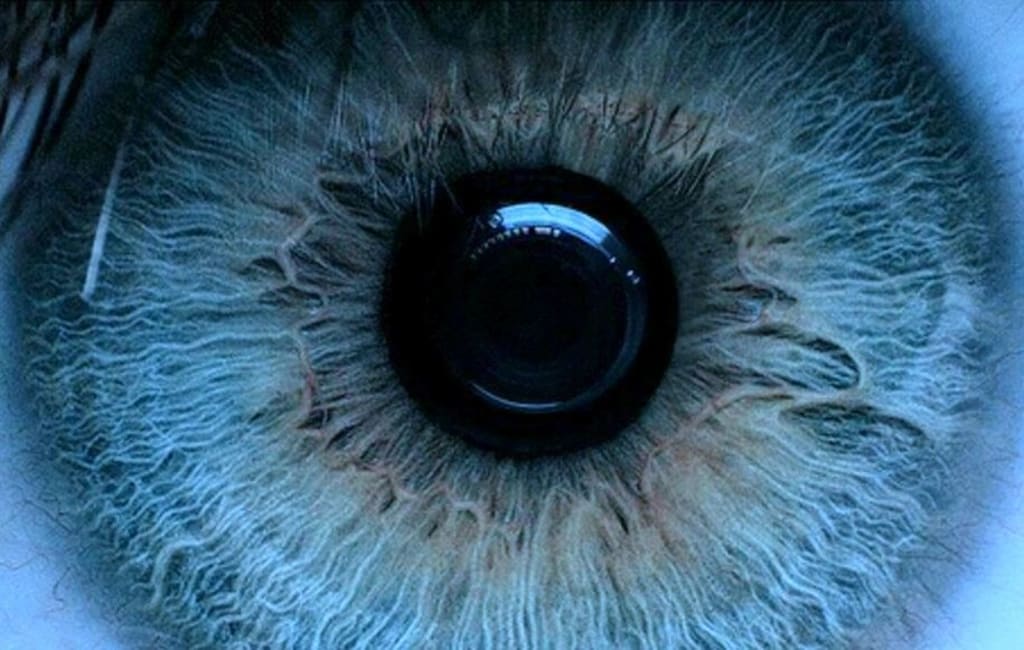
When we think about blue eyes, many of us picture them as relatively common. After all, statistics often cite that 8-10% of people have blue eyes. But this figure tells only part of the story—and reveals a fascinating example of how regional data can be misleading when applied globally.
The Statistical Disconnect
The commonly cited 8-10% figure for blue eyes comes primarily from studies conducted in European populations or regions with significant European ancestry. In these contexts, blue eyes are indeed fairly common. However, this statistic becomes dramatically different when we consider the entire global population.
The Reality of Global Demographics
To understand why blue eyes are actually much rarer than we might think, we need to examine world population distribution. Europeans and their descendants represent only about 10-15% of the global population. The majority of the world's 8 billion people live in Asia (approximately 60%) and Africa (about 17%), regions where blue eyes are extraordinarily rare.
Regional Variations in Blue Eye Frequency
The prevalence of blue eyes varies dramatically by geographic region:
Northern Europe shows the highest concentrations, with countries like Finland, Estonia, and parts of Scandinavia reporting blue eye frequencies of 80% or higher in some populations.
Western Europe displays moderate frequencies, with Ireland and the UK showing rates of 20-25%, while Germany and France typically report 15-20%.
Southern Europe has notably lower rates, with countries like Italy, Spain, and Greece showing blue eye frequencies of 5-15%.
Outside Europe, blue eyes become exceptionally rare. In most Asian and African populations, the frequency drops to well below 1%.
The Mathematics of Global Rarity
When we calculate the global percentage of blue-eyed individuals, the numbers become striking. Even if we assume that 40% of all Europeans have blue eyes (a generous estimate), and Europeans make up 12% of the world population, we get approximately 4.8% of the global population with blue eyes.
However, this calculation is still too high because it doesn't account for the fact that blue eyes are virtually absent in the vast majority of the world's population. When we factor in that roughly 85% of the world's people come from populations where blue eyes are extremely rare, the global percentage drops significantly.
A More Accurate Global Estimate
Taking into account the true demographic breakdown of the world's population, blue eyes likely occur in less than 1% of people globally. This dramatic difference from the commonly cited 8-10% figure illustrates how regional statistics can create misconceptions about global traits.
The Genetics Behind the Rarity
Blue eyes result from specific genetic variations that are most common in populations with European ancestry. The trait is recessive, meaning both parents must carry the gene for a child to have blue eyes. In populations where these genetic variants are rare, blue eyes remain exceptionally uncommon across generations.
Why This Matters
Understanding the true global rarity of blue eyes helps us appreciate how genetic diversity works on a planetary scale. It also reminds us that traits we consider "normal" or "common" in our immediate environment may be quite rare when viewed from a global perspective.
This phenomenon extends beyond eye color to many other physical traits, cultural practices, and even perspectives on life. What seems common in our local context might be remarkably rare in the broader human experience.
Conclusion
The next time you encounter someone with blue eyes, remember that you're looking at a trait that fewer than 1% of the world's population possesses. It's a beautiful reminder of both human diversity and the importance of considering global rather than regional perspectives when thinking about what makes us human.
About the Creator
Keep reading
More stories from writers in Humans and other communities.
Autonomy Is The Real Privilege
Good morning, freedom-seekers! Today we’re gonna be looking at autonomy. A strange word, I know; one many would probably look at blankly and run away from on sight. We’re gonna figure out what it actually means, consider how it’s achieved, and decipher just how deeply most of us are tangled up in dependence without realising it.
By That ‘Freedom’ Guyabout 18 hours ago in Humans
Is Costco Open on MLK Day? What Shoppers Need to Know
Holidays often arrive quietly, then disrupt plans when we least expect it. Martin Luther King Jr. Day is one of those days. It is a federal holiday with deep meaning, but for many people, it also brings practical questions. Work schedules change. Schools close. Errands get delayed. Somewhere in the middle of reflection and routine, a simple question comes up every year: is Costco open on MLK Day? For families planning grocery runs, small business owners stocking supplies, or anyone trying to manage time wisely, this question matters. Understanding how Costco treats this day helps avoid frustration and last-minute confusion. The answer is not complicated, but the context around it is worth understanding.
By Muqadas khana day ago in Humans
Ludacris and Nelly draw backlash over bookings at MAGA-coded music festival
Ludacris and Nelly headlining a mostly right-wing event is good for them. It’s also great for the genre of hip hop. The two rap veterans have showcased their talents on other stages. Why can’t they perform for mostly MAGA folks and grab that bag?
By Skyler Saunders6 days ago in Beat




Comments
There are no comments for this story
Be the first to respond and start the conversation.