
The Strength Hidden Inside Shyness
Why being quiet in a loud world is not a weakness

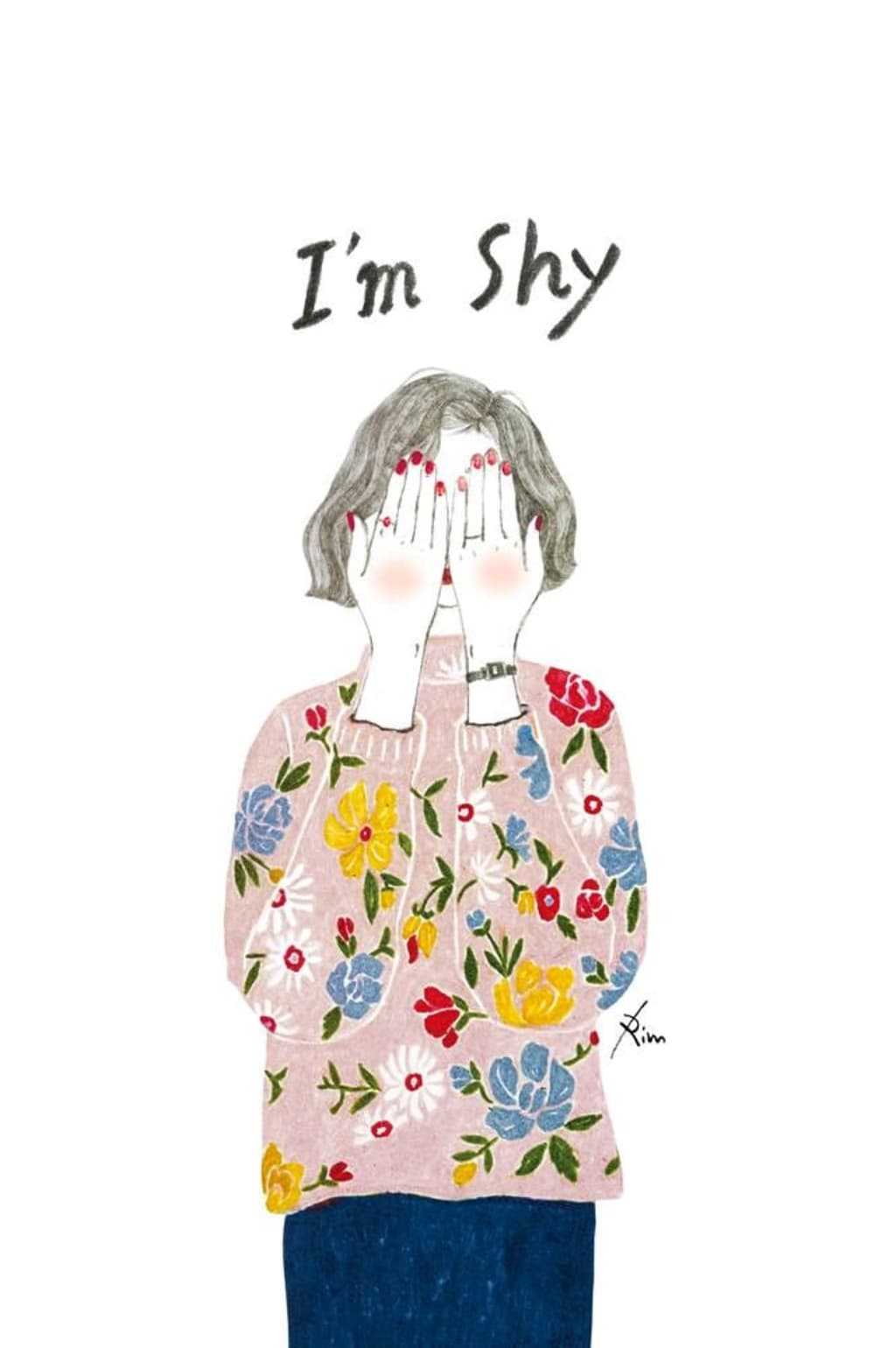
In a world that rewards loud voices, bold personalities, and constant self-promotion, being shy can feel like a disadvantage. Classrooms praise students who speak up first. Workplaces reward those who present confidently. Social media amplifies the most expressive personalities. If you’re naturally quiet, it can sometimes feel like you’re built wrong for the world you live in.
But shyness is not a flaw. It’s a personality trait — and like any trait, it carries both challenges and strengths.
Shy people often experience the world differently. They observe more before they speak. They think carefully before responding. They notice small details in conversations that others might miss. While louder personalities may dominate discussions, shy individuals often understand the room more deeply.
The problem isn’t shyness itself. The problem is how society interprets it.
Shyness is often mistaken for insecurity, lack of intelligence, or lack of confidence. But being quiet does not mean you have nothing to say. It often means you choose your words carefully. There is strength in that restraint.
Many shy people develop strong listening skills. Because they’re not focused on being the center of attention, they absorb information. They pick up on tone shifts, body language, and subtle emotional cues. This makes them thoughtful friends, perceptive coworkers, and empathetic leaders.
Yes, leaders.
There’s a common myth that leadership requires loud charisma. In reality, some of the most effective leaders are calm, measured, and reflective. They speak when it matters. They listen before deciding. They create space for others rather than competing for attention.
Shyness can also build resilience. When social situations feel uncomfortable, shy individuals often push through internal resistance just to participate. That quiet effort strengthens emotional endurance over time. What looks effortless for others may require courage for someone shy — and that courage deserves recognition.
However, it’s also important to separate shyness from fear-based limitation. Being shy doesn’t mean you should avoid growth. It doesn’t mean you can’t develop communication skills. It simply means your starting point might look different from someone else’s.
Growth for a shy person isn’t about becoming loud. It’s about becoming comfortable.
Comfortable expressing ideas.
Comfortable taking small social risks.
Comfortable being seen without pretending to be someone else.
One of the most empowering realizations for shy individuals is understanding that personality is not a competition. You don’t need to out-talk others to have value. You don’t need to dominate conversations to be respected.
Quiet confidence exists.
It’s the kind of confidence that doesn’t announce itself. It doesn’t demand attention. It shows up steadily and consistently. It speaks clearly when necessary and remains silent when words aren’t needed.
There’s also depth in solitude. Many shy people recharge alone. They think deeply, reflect often, and process experiences internally. In a fast-moving world, that depth is rare. Reflection leads to insight. Insight leads to wisdom.
Social pressure can make shy people feel like they need to change completely. But self-improvement doesn’t require personality replacement. You can develop stronger communication skills without abandoning your quiet nature.
Small steps matter. Asking one question in a group setting. Sharing one opinion. Initiating one conversation. Growth doesn’t need to be dramatic to be meaningful.
It’s also worth remembering that many people who appear outgoing feel insecure too. The difference is expression style, not absence of doubt. Everyone navigates social discomfort in different ways.
Being shy doesn’t mean you lack courage. Often, it means your courage is quieter.
There is something powerful about someone who doesn’t speak constantly but commands attention when they do. Words carry more weight when they’re not overused. Presence becomes stronger when it’s calm.
The goal is not to eliminate shyness. The goal is to understand it.
When you understand your personality, you can work with it instead of against it. You can prepare for situations that drain you. You can build environments where you thrive. You can practice skills without shaming yourself for not being naturally loud.
Shyness becomes limiting only when you believe it makes you less valuable.
But quiet people build strong relationships. They create thoughtful work. They often bring balance to chaotic spaces. They offer steadiness where others bring noise.
In a culture that celebrates volume, quiet strength often goes unnoticed — but it does not go unneeded.
You don’t have to transform into the loudest person in the room to succeed. You don’t have to overpower conversations to matter. You don’t have to change your nature to earn respect.
Sometimes the most powerful presence is the one that doesn’t fight to be seen.
Shyness is not the absence of strength. It’s strength expressed differently.
And in a loud world, that difference matters more than most people realize.
About the Creator
When True Love Never Questions Your Soul
“And she’s going to learn that this life will hit you, hard, in the face, wait for you to get back up, just so it can kick you in the stomach but getting the wind knocked out of you is the only way to remind your lungs how much they like the taste of air.” — Sarah Kay’s Poem — If I Should Have a Daughter
By Chantal Christie Weiss5 days ago in Humans
How To Know If Someone Is Serious About A Relationship On The First Date
The initial date is usually a heart-throbbing yet stressful experience of the single dating world. Although chemistry plays a key role, it is also essential to evaluate the seriousness of the other individual on whether they are willing to build a relationship. The intentions and values, as well as the level of commitment can be represented in the early cues. It is possible to observe the behavior, communication patterns, and attitudes on the preliminary meetings that will enable the singles to distinguish between casual and real interest in long-term relationship. The awareness of these symptoms will enable local singles to make well-informed choices, safeguard their feelings, and spend their time efficiently when experimenting with the possibility of having a meaningful relationship.
By Tiana Alexandra3 days ago in Humans
If You Write A Book, Don’t Tell Anyone
There are days when I’m grateful Amazon doesn’t tell me specifically who has bought my book and who hasn’t. If they did, I would be heartbroken when I read the list and noticed all the important names in my life were not on my list of customers.
By Ellen Frances5 days ago in Writers




Comments
There are no comments for this story
Be the first to respond and start the conversation.