
The Strange Grief of Letting Go
Why You Miss People Even When You Know They Weren’t Good for You

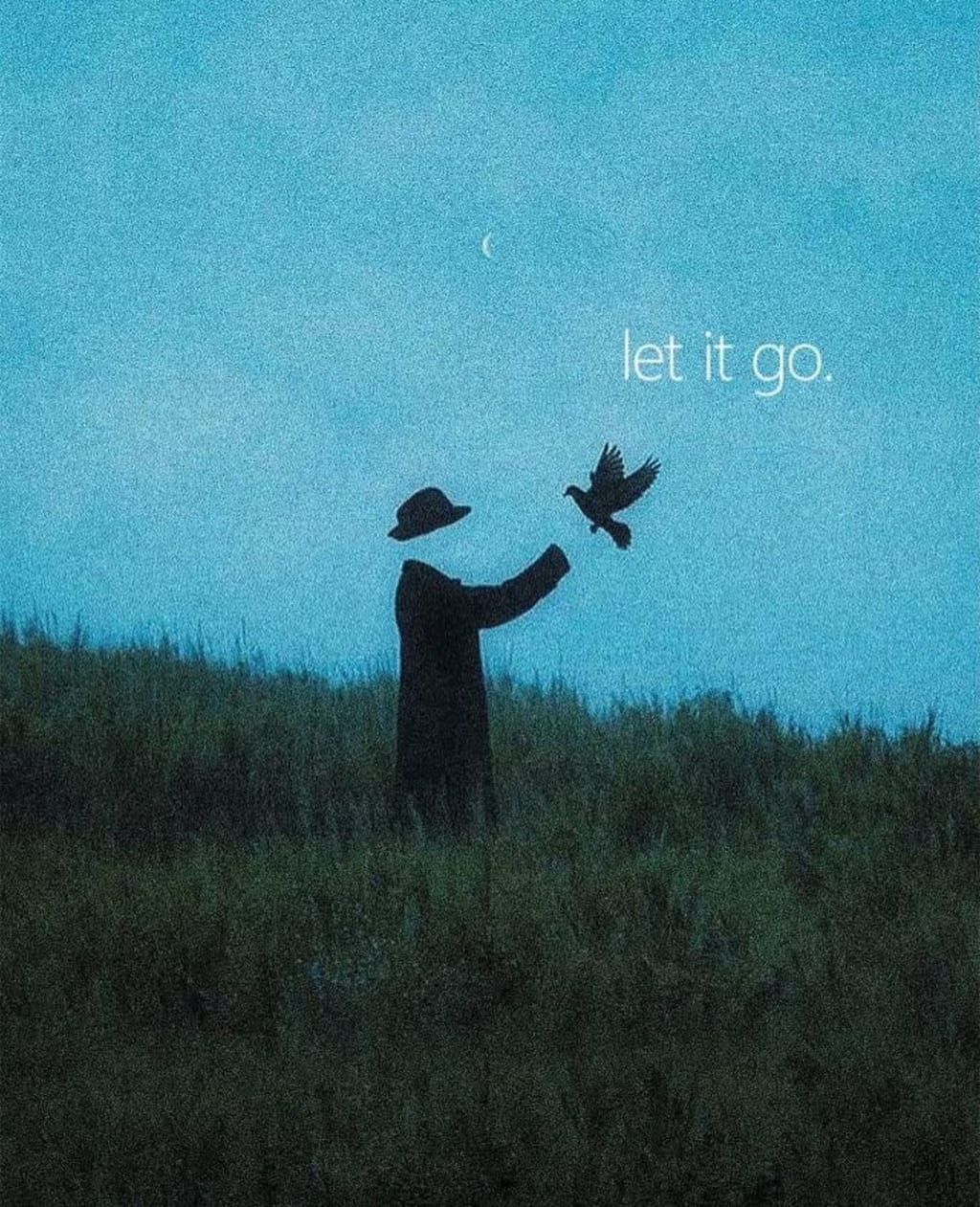
Missing someone who hurt you is one of the most confusing emotional experiences a person can have. It doesn’t make sense on paper. If someone caused you pain, disrespected you, or repeatedly disappointed you, logic says you should feel relief when they’re gone. And sometimes you do. But alongside that relief often lives a quieter feeling: longing. You miss their presence. Their voice. Their familiarity. Even when you know, deeply, that staying would have damaged you more.
This contradiction makes people question themselves. They wonder if they’re weak, if they’re romanticizing the past, if they made a mistake by leaving. In reality, missing someone doesn’t mean you should go back. It doesn’t mean the relationship was healthy. It doesn’t mean you imagined the pain. It means you are human and you formed an attachment.
Human beings bond through shared experiences, vulnerability, and repetition. When you spend time with someone, build routines around them, and emotionally invest, your nervous system learns to associate that person with connection. Even if the connection was flawed, inconsistent, or harmful, it was still connection. Losing that presence creates a void, and the brain naturally notices absence more loudly than it notices peace.
Another reason people miss those who weren’t good for them is because the mind tends to remember moments, not patterns. It recalls laughter, inside jokes, late-night talks, small gestures of kindness. It does not automatically replay the full context: the arguments, the anxiety, the walking on eggshells, the self-doubt. Nostalgia edits reality. It highlights the highlights and blurs the damage.
There is also the grief of the future you imagined. When you care about someone, you don’t just bond with who they are; you bond with who you hoped they would become and the life you pictured together. Letting go means letting go of that imagined future. That loss is real, even if the future was never going to happen the way you hoped.
Many people confuse missing someone with wanting them back. These are not the same. Missing is a feeling. Wanting is a decision. Feelings rise and fall. Decisions shape your life. You can miss someone and still know that returning would be self-betrayal. Both truths can exist at the same time.
It’s also important to understand that leaving a harmful dynamic does not instantly erase emotional bonds. Healing is not a switch. It’s a process. Some days you feel strong and clear. Other days you feel soft and nostalgic. This doesn’t mean you’re moving backward. It means you’re human and grieving.
Part of what hurts is losing familiarity. Even unhealthy relationships provide a sense of structure. You knew who to talk to. You knew what to expect. You knew your role. When that disappears, there is uncertainty. And uncertainty feels uncomfortable, even when it leads to something better.
People often try to shame themselves out of missing someone. They tell themselves they’re stupid. Weak. Pathetic. This only adds another layer of pain. Compassion works better than criticism. You don’t miss them because you lack self-respect. You miss them because you loved in the best way you knew how at the time.
Growth doesn’t mean you stop feeling. It means you learn how to feel without letting emotions control your choices. It means allowing sadness to pass through without letting it rewrite history. It means honoring the good memories without ignoring the reasons you had to walk away.
Over time, missing shifts. It becomes quieter. Less sharp. More like a distant echo than a constant ache. You start to create new routines. New connections. New versions of yourself. Slowly, the space they left behind fills with your own presence.
One day, you realize you still remember them, but they no longer define your emotional landscape. You don’t need closure from them. You don’t need an apology. You don’t need one last conversation. You needed distance. You chose yourself. And that choice, even when it hurt, was an act of self-respect.
Missing someone who wasn’t good for you doesn’t mean you failed.
It means you loved.
It means you learned.
And it means you’re moving forward, even when it doesn’t feel like it.
About the Creator
Whiskey At Dusk
Guess the whiskey was more important to you in the end, wasn’t it? It was more than the well-being of your friends; more vital than showing up to the places you promised you would and could come to; more critical of a matter than fulfilling your damn responsibilities and getting the press off your back.
By Snarky Lisa4 days ago in Humans
Quarrel or Love
Idrees Ahmed and Lateef are two brothers. Idrees Ahmed is three years younger than Lateef and two grades behind him in school. Lateef studies in the seventh grade. Although they are brothers, their personalities are completely different. Despite being younger, Lateef prefers solitude and speaks very little, while Idrees Ahmed is so mischievous that the entire household is often exhausted by his pranks.
By Sudais Zakwan3 days ago in Humans



Comments
There are no comments for this story
Be the first to respond and start the conversation.