
The Story of Esther: A Bible Story of Courage and Deliverance
A Bible Story

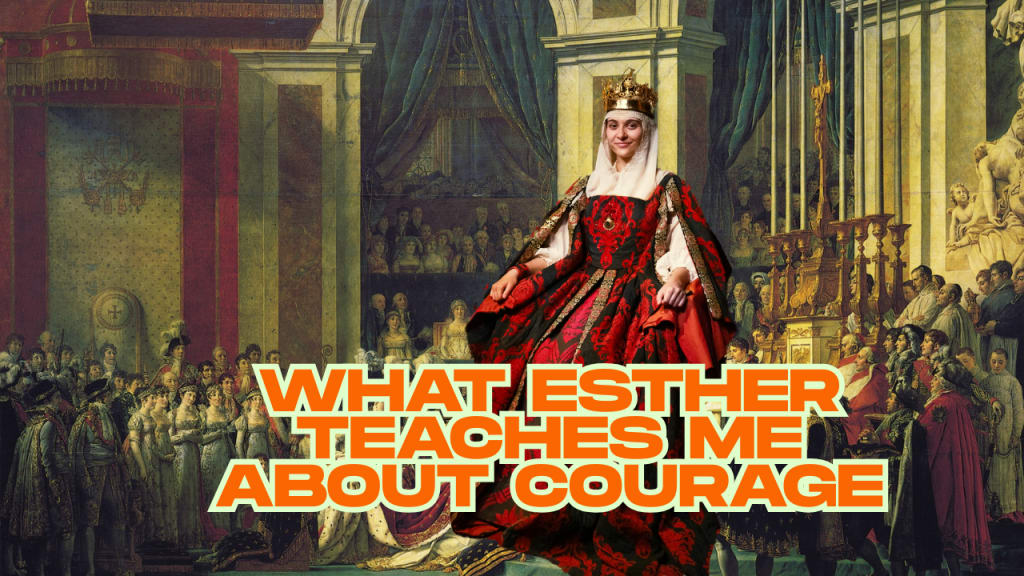
In the grand palace of Persia, around 480 BC, a young Jewish woman named Esther found herself at the center of a divine plan to save her people. Her story, recorded in the Book of Esther in the Old Testament, is a thrilling tale of bravery, faith, and God’s providence. Though God’s name is never mentioned in the text, His presence is felt in every twist and turn, guiding Esther to deliver the Jewish people from destruction. Shared through centuries, this story continues to inspire courage and trust in God’s unseen hand, even in the most dangerous moments.
Esther, originally named Hadassah, was an orphan raised by her cousin Mordecai in the city of Susa. At that time, King Xerxes (also known as Ahasuerus) ruled over the vast Persian Empire, stretching from India to Ethiopia. After Queen Vashti defied the king’s command, Xerxes sought a new queen. Beautiful young women from across the empire were brought to the palace, and Esther was among them. Her grace and humility won the king’s heart, and she was crowned queen, her Jewish identity kept secret at Mordecai’s advice. Little did she know that God was preparing her for a greater purpose.
Mordecai, a loyal Jew, worked at the king’s gate, where he overheard a plot to assassinate Xerxes. He reported it to Esther, who informed the king, saving his life. The king honored Mordecai by recording his deed in the royal chronicles. But trouble was brewing. Haman, the king’s highest official, was a prideful man who hated the Jews. He demanded that everyone bow to him, but Mordecai refused, bowing only to God. Enraged, Haman devised a plan to destroy all the Jews in the empire. He convinced Xerxes to issue a decree for their annihilation, setting a date for their slaughter and casting lots (called “pur”) to choose the day.
When Mordecai learned of the decree, he tore his clothes, put on sackcloth, and mourned at the king’s gate. He sent word to Esther, urging her to go to the king and plead for her people. But approaching the king uninvited was dangerous—anyone who did so could be put to death unless the king extended his golden scepter. Esther hesitated, fearing for her life, but Mordecai’s words stirred her courage: “Who knows if you have come to the kingdom for such a time as this?” Trusting in God, Esther asked Mordecai and the Jews to fast and pray for three days, and she did the same with her maids.
On the third day, Esther dressed in her royal robes, her heart pounding, and entered the king’s court. Xerxes saw her and, pleased, held out his scepter, sparing her life. “What is your request, Queen Esther?” he asked. “I will give you up to half my kingdom.” Esther, wise and patient, invited the king and Haman to a banquet. At the feast, she invited them to a second banquet the next day, promising to reveal her request then. Haman left the first banquet puffed with pride, but his joy turned to rage when he saw Mordecai at the gate, still refusing to bow. That night, Haman built a gallows, planning to hang Mordecai the next day.
That same night, King Xerxes couldn’t sleep. He ordered the royal chronicles to be read and learned of Mordecai’s earlier act of loyalty in saving his life. The king decided to honor Mordecai and, ironically, asked Haman to lead the celebration, parading Mordecai through the streets in royal robes. Haman was humiliated, and his plans began to unravel. At the second banquet, Esther revealed her Jewish identity to the king and exposed Haman’s plot to kill her people. “This wicked Haman seeks to destroy my people, including me!” she cried. Xerxes, furious, ordered Haman to be hanged on the very gallows he had built for Mordecai.
The king issued a new decree, allowing the Jews to defend themselves on the appointed day. When the day came, the Jews triumphed over their enemies, and Haman’s evil plan was defeated. Mordecai was promoted to a high position, and the Jews celebrated their deliverance with a feast called Purim, named after the lots Haman had cast. Esther’s courage had saved her people, and her story became a testament to God’s protection and timing.
Today, on May 24, 2025, at 05:02 PM IST, as we share this story on platforms like Vocal Media, Esther’s tale resonates deeply. It shows how God can use ordinary people for extraordinary purposes, even in the face of danger. Esther’s bravery reminds us to stand up for what’s right, even when it’s risky, and to trust that God is working behind the scenes. The story also highlights the power of prayer and fasting, as Esther sought God’s guidance before acting.
For us now, Esther’s story inspires us to be courageous in our own lives—whether it’s speaking out against injustice or helping those in need. It also encourages us to trust in God’s perfect timing, knowing He places us where we’re needed, “for such a time as this.” As we celebrate Purim or reflect on this story, let us honor Esther’s legacy by living with faith, courage, and love, trusting that God’s plans for us are always for good.
About the Creator
David Andrews
Hi, I'm David A., I'm excited to explore topics that inspire, inform, and engage readers across different genres. I bring a blend of curiosity and creativity to my writing journey here on Vocal Media.
Keep reading
More stories from David Andrews and writers in Humans and other communities.
The Courage of Esther: A Queen Who Saved a Nation
In the grand palace of Persia, where golden pillars reached the ceiling and servants whispered through silk-draped hallways, lived a woman named Esther. She was not born into royalty, nor did she come from a family of influence. In fact, Esther was a Jewish orphan, raised by her cousin Mordecai in a foreign land. Yet, through divine providence, she became the queen of the mighty Persian Empire.
By David Andrews8 months ago in Humans



Comments
There are no comments for this story
Be the first to respond and start the conversation.