
"The Sky-bound Odyssey: Swifts and the Extraordinary Feat of Year-Round Flight".
The fact is that swifts spend most of their lives flying in the air, and can fly for almost an entire year, without ever landing.
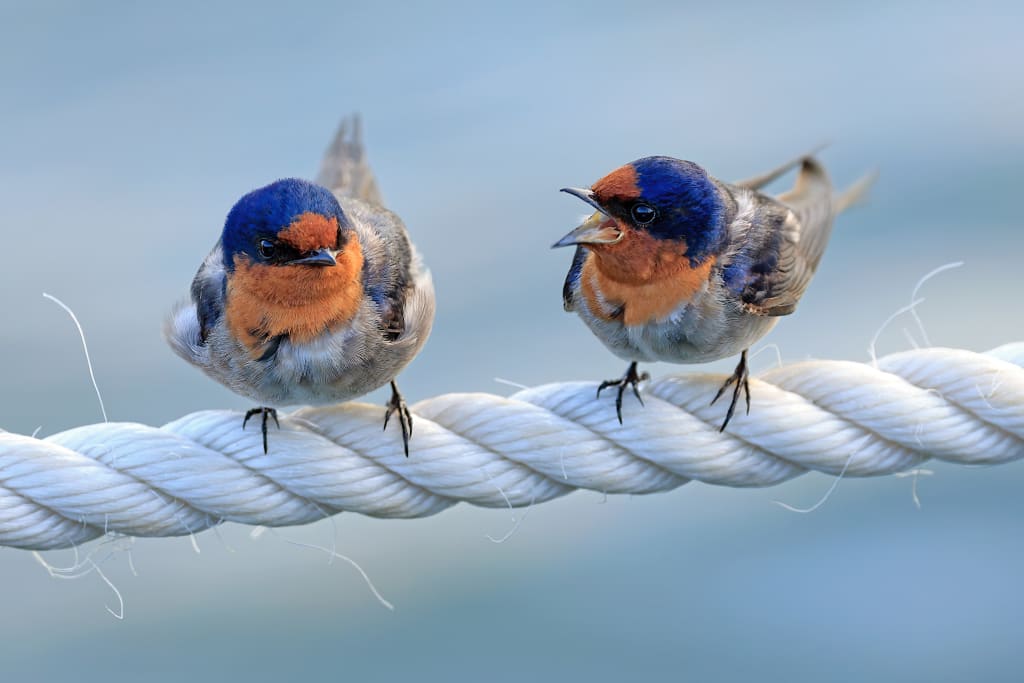
Introduction: Aerial Nomads of the Open Skies
In the vast expanse of the open skies, swifts emerge as the epitome of avian wanderers, rewriting the rules of flight with their remarkable ability to spend almost their entire lives airborne. These aerial acrobats, known for their sleek and streamlined silhouettes, embark on a sky-bound odyssey that defies conventional notions of avian behavior. In this exploration, we delve into the fascinating world of swifts, uncovering the secrets of their perpetual flight and the extraordinary adaptations that enable them to navigate the heavens for almost an entire year without ever landing.
Chapter 1: Swifts in Flight - A Symphony of Motion
Swifts, belonging to the family Apodidae, are a diverse group of aerial birds characterized by their long, slender wings and rapid, agile flight. Unlike other birds, swifts lack the anatomical structure to perch, with their legs adapted for a life spent almost entirely in flight. Their wings are designed for exceptional maneuverability, allowing swifts to navigate the skies with unparalleled precision.
The flight of swifts is not just a means of transportation; it's a complex dance in the air. These birds are capable of intricate aerial displays, forming large flocks that move in synchronized patterns across the sky. Their mastery of flight is a testament to the evolutionary adaptations that have sculpted them into consummate aviators.
Chapter 2: The Perpetual Soar - Almost a Year Without Landing
One of the most astonishing aspects of swift behavior is their near-constant flight. Swifts are known to spend the majority of their lives airborne, descending only for nesting and breeding purposes. During the non-breeding season, some swift species undertake an incredible journey, covering vast distances and remaining aloft for extended periods.
The common swift (Apus Apus), for example, is renowned for its endurance in flight. These birds embark on a migration that takes them from their breeding grounds in Europe to sub-Saharan Africa and back. The astounding feat is that they achieve this round-trip migration without landing, subsisting on a diet primarily composed of insects captured mid-flight.
Chapter 3: The Sleep of the Swifts
While swifts are known for their perpetual flight, they do take short breaks in the form of power naps. These brief episodes of rest, lasting only a few seconds at a time, occur during periods of slow gliding flight. Swifts are unique in that they can sleep while flying, closing one hemisphere of their brain at a time. This adaptation allows them to maintain awareness of their surroundings and respond to potential threats while still getting the rest they need.
These micro-naps are essential for the swifts' survival, providing them with the minimal rest required to sustain their energy levels during their airborne endeavors. The ability to sleep in flight contributes to the overall efficiency of their lifestyle, allowing them to remain vigilant and responsive even during moments of rest.
Chapter 4: Feeding on the Fly - Aerial Foraging Mastery
Swifts are not only adept at flying for extended periods but are also highly skilled in capturing prey mid-flight. Their diet primarily consists of flying insects, and their specialized adaptations make them exceptional aerial foragers. With large mouths, strong jaws, and a widening gap, swifts can scoop up insects as they navigate the skies.
Their slender bodies and streamlined wings reduce air resistance, enabling swifts to achieve high speeds and swift maneuvers. These attributes are crucial for their success in capturing insects during flight, ensuring a continuous supply of food to sustain their energy levels.
Chapter 5: The Journey of a Lifetime - Migratory Marvels
Migration is a remarkable aspect of swift behavior, showcasing their ability to cover immense distances across continents. Swifts undertake these migratory journeys with unparalleled determination and precision. The common swift, for instance, travels thousands of kilometers between Europe and Africa during its annual migration, relying on favorable weather conditions and prevailing wind patterns to aid in its journey.
The migration of swifts is not a leisurely endeavor; it's a race against time. The need to cover vast distances and reach specific breeding and feeding grounds drives these birds to maintain a constant state of activity, showcasing the incredible synergy between their physiological adaptations and the demands of their migratory lifestyle.
Chapter 6: The Evolutionary Marvels of Swift Adaptations
The ability of swifts to spend almost an entire year in flight is a testament to their remarkable adaptations, finely tuned through evolutionary processes. From their streamlined bodies and powerful wings to their specialized feeding techniques, swifts have evolved to exploit the opportunities and challenges presented by life in perpetual motion.
The evolution of swifts as avian nomads represents a unique strategy within the avian world, emphasizing the diversity of adaptive pathways that birds can undertake to thrive in their respective habitats. The extraordinary adaptations of swifts provide a window into the complex interplay between evolutionary forces and the demands of their airborne lifestyle.
Conclusion: The Endless Dance of Swifts in the Skies
In the endless dance of swifts across the open skies, we witness a spectacle of endurance, precision, and adaptation. Their ability to fly for almost an entire year without landing is not merely a feat of physical endurance; it's a symphony of evolutionary marvels that have sculpted them into consummate aviators. Swifts, with their perpetual flight and migratory prowess, invite us to marvel at the boundless possibilities of life in the skies and the intricate adaptations that allow them to navigate the heavens with grace and resilience.
About the Creator
Keep reading
More stories from fatima zahra ajankar and writers in Humans and other communities.
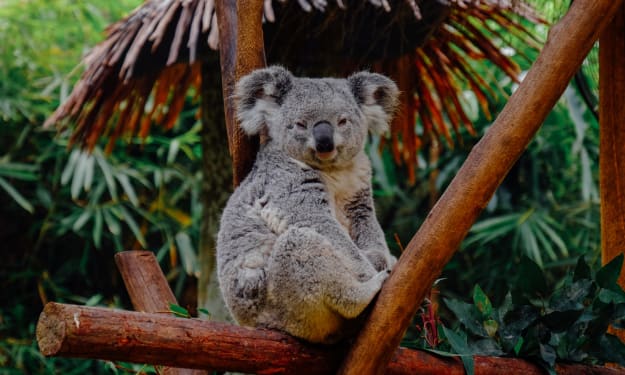
"The Sleepy Charms of Koalas: Navigating the Slumberous World of Australia's Iconic Marsupials".
Introduction: A Koala's Dreamy Haven In the eucalyptus-scented landscapes of Australia, the iconic marsupials known as koalas reign supreme in the realm of relaxation. Renowned for their leisurely lifestyle, one of the most fascinating aspects of koala behavior is their penchant for extended periods of slumber. Delving into the world of these charismatic creatures unveils a captivating narrative of adaptation, energy conservation, and the unique physiology that allows them to sleep for up to 22 hours a day.
By fatima zahra ajankar2 years ago in Humans
Whiskey At Dusk
Guess the whiskey was more important to you in the end, wasn’t it? It was more than the well-being of your friends; more vital than showing up to the places you promised you would and could come to; more critical of a matter than fulfilling your damn responsibilities and getting the press off your back.
By Snarky Lisa3 days ago in Humans
How Social Energy Shapes Trends and Movements.
Social energy—the shared enthusiasm, passion, and momentum within a group or community—plays a critical role in shaping trends, movements, and cultural shifts. It is the force that motivates people to act, share ideas, and rally around common causes. Unlike individual effort alone, social energy multiplies impact by creating collective momentum that drives visibility, participation, and influence. From grassroots movements to viral online trends, understanding how social energy operates reveals why certain ideas gain traction while others fade.
By Wilson Igbasia day ago in Humans


Comments
There are no comments for this story
Be the first to respond and start the conversation.