
The Simulation Theory: The Conspiracy That Sounds Smart Enough to Be True
The Simulation Theory: Why the Idea Feels Convincing — and Why It Still Falls Apart

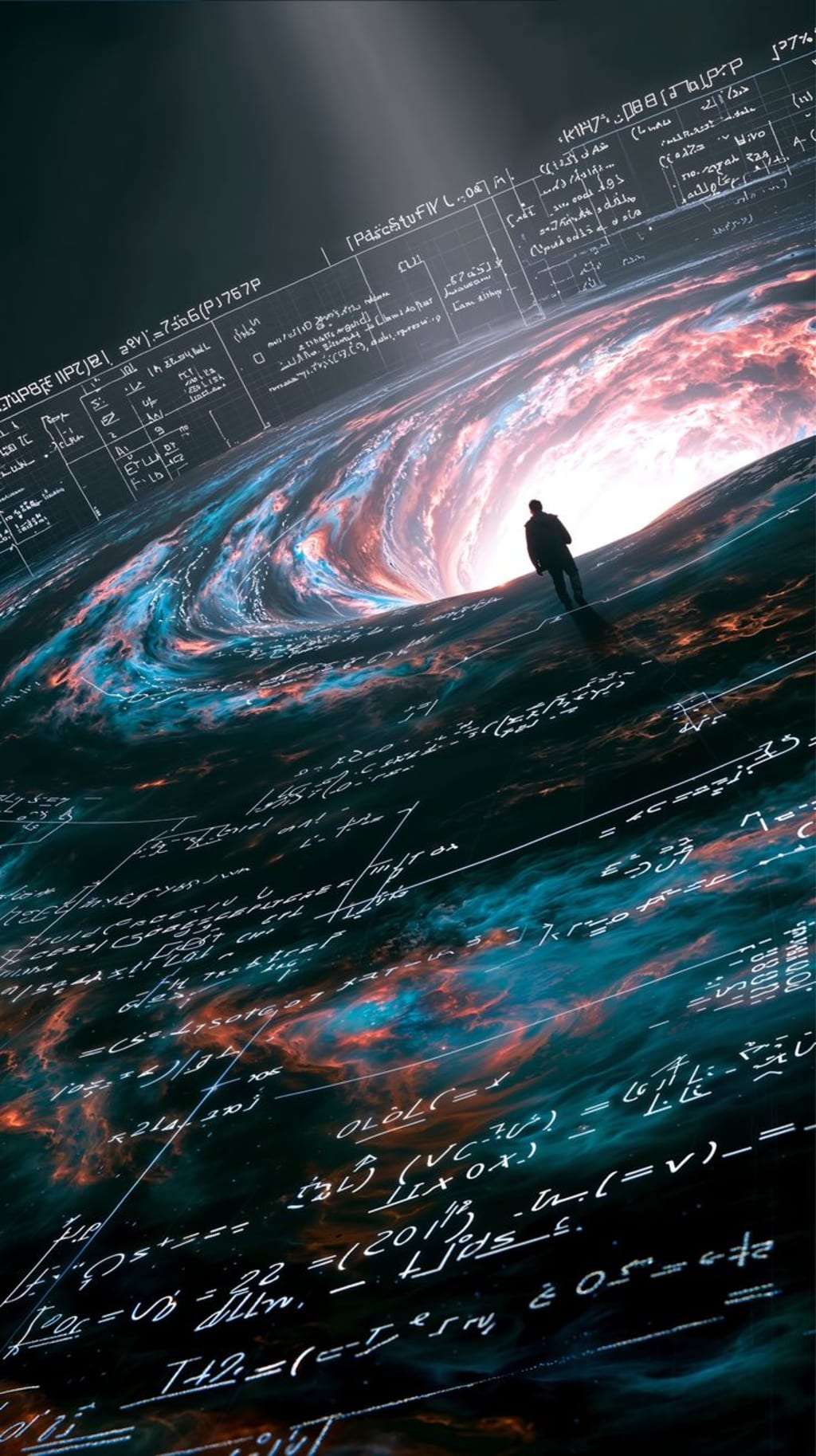
The simulation theory is one of the most popular modern conspiracy ideas.
Not because it’s loud.
Not because it’s scary.
But because it sounds reasonable.
The idea is simple:
What if reality isn’t base reality?
What if the universe is a simulation, like an advanced digital system, and we’re inside it?
At first, it feels ridiculous.
Then you think about it for five minutes — and suddenly it doesn’t.
That’s why it spreads.
Why the simulation idea feels believable
We already live inside systems we created.
Digital worlds.
Virtual environments.
Artificial intelligence.
Simulated physics in video games.
Technology evolves fast — faster than human intuition.
So people ask:
If we can simulate worlds now, what happens in a thousand years?
A million?
Long enough for intelligence to surpass us?
The logic goes like this:
If advanced civilizations can simulate realities, they probably will.
And if many simulations exist, statistically, you’re more likely to be inside one than the original.
That’s the hook.
Not magic.
Not aliens.
Probability.
The universe does behave strangely
Physics doesn’t always feel intuitive.
Particles exist as probabilities.
Observation affects outcomes.
Time isn’t constant.
Reality breaks down at extreme scales.
To someone without deep physics background, this looks suspicious — like glitches.
And the human brain hates uncertainty.
So instead of saying “we don’t fully understand reality yet,”
the mind reaches for a cleaner story:
This must be programmed.
The conspiracy fills a psychological need
The simulation theory isn’t just about science.
It’s about meaning.
If reality is a simulation, then:
- suffering might have a purpose
- randomness might be design
- existence might be intentional
That’s comforting.
It turns chaos into structure.
People don’t just want answers —
they want answers that make life feel less random.
But here’s where the theory starts to crack
A good idea isn’t the same as evidence.
There is zero proof that we live in a simulation.
No testable signal.
No detectable boundary.
No measurable “code.”
Every argument for the simulation relies on assumptions about future technology — not observations of current reality.
That’s not science.
That’s speculation.
“Glitches in reality” aren’t proof
People point to coincidences, déjà vu, strange experiences, or visual illusions and call them glitches.
But the brain is not a perfect recorder.
Memory is flawed.
Perception is biased.
Pattern-seeking is automatic.
Humans see faces in clouds.
Meaning in randomness.
Intent where none exists.
That doesn’t mean reality is fake —
it means the brain evolved to survive, not to perfectly interpret truth.
The simulation theory is unfalsifiable
This is the biggest issue.
If a theory can’t be tested or disproven, it sits outside science.
Any evidence against it can be dismissed as “part of the simulation.”
Any lack of evidence can be explained away the same way.
That makes it immune to criticism — and therefore unreliable.
Real explanations must risk being wrong.
Why the theory still spreads
Because it matches the digital age mindset.
We understand software better than nature now.
We think in systems, code, layers.
So we project that framework onto existence itself.
It’s not that the theory is evil or stupid —
it’s that it’s shaped by our tools and culture.
There’s a deeper danger in believing too hard
When people fully accept simulation thinking, some stop caring.
If nothing is “real,” then consequences feel optional.
Responsibility feels abstract.
Meaning becomes external instead of personal.
That’s risky — especially for young minds still forming values.
Whether reality is simulated or not,
your actions still affect real people.
Pain still hurts.
Choices still matter.
The real question isn’t “Is this a simulation?”
It’s:
Why are we so eager to believe it is?
Because modern life feels artificial.
Because people feel disconnected.
Because reality feels less grounded than it used to.
The theory reflects dissatisfaction — not discovery.
Final thought
The simulation theory is interesting.
It’s fun to explore.
It stretches the mind.
But fascination should never replace critical thinking.
Right now, it remains an idea — not a fact.
A story — not evidence.
And maybe that’s okay.
Because whether reality is simulated or not,
you still wake up here.
You still choose how to live.
And meaning is still something you create.
About the Creator
Proven Strategies For Overcoming Awkward Conversations During Early Dating Experiences
It is a fact of life that during early dating, there are some awkward situations. They can usually be caused by nervousness, lack of familiarity or poor handing over of the message. The understanding that some discomfort is normal will make it easier to take the pressure and self-growth out of conversations.
By Willian James3 days ago in Humans



Comments
There are no comments for this story
Be the first to respond and start the conversation.