
The Silent Treatment Playbook:
What It Looks Like and How to Respond


The silent treatment. Those two words can evoke a sense of dread, frustration, and helplessness. Unlike an argument where words, even harsh ones, are exchanged, the silent treatment is a deliberate withdrawal of communication, a form of emotional abandonment that can leave the recipient feeling isolated and confused. It’s a manipulation tactic used in various relationships – romantic, familial, professional, and even platonic – and understanding its mechanics is crucial for navigating it effectively. This article will delve into the silent treatment playbook, exploring its various manifestations, the underlying motivations, and, most importantly, providing strategies for responding in a healthy and constructive manner.
Decoding the Silence: Recognizing the Telltale Signs
The silent treatment isn't simply needing space or taking a break to cool down. While temporary withdrawal for self-regulation is a healthy coping mechanism, the silent treatment is often characterized by:
Deliberate Withholding of Communication: This is the core element. The person inflicting the silent treatment intentionally stops talking, responding to messages, or engaging in any form of interaction. They may be physically present but emotionally absent.
Hostile Body Language: Often, the silence is accompanied by nonverbal cues like glaring, sighing dramatically, turning away, or even leaving the room when the other person enters. This communicates displeasure without uttering a word.
Duration and Pattern: A brief period of silence to collect thoughts is understandable. However, the silent treatment typically lasts for hours, days, or even weeks. It also tends to be a recurring pattern in the relationship, used as a go-to response during conflict.
Punitive Intent: The silence isn't about self-preservation; it's about punishing the other person. It's a way to exert control, inflict emotional pain, and force the other person to conform to the silent treatment initiator's demands.
Refusal to Acknowledge the Issue: When confronted about the silence, the person may deny it, deflect blame, or simply refuse to discuss the situation. This further frustrates the recipient and perpetuates the cycle.
The Motivations Behind the Walls: Understanding Why People Use Silence
Why do people resort to the silent treatment? The reasons are often complex and deeply rooted in their own emotional landscape:
Power and Control: As mentioned earlier, the silent treatment can be a tool for wielding power. By withholding affection and attention, the person aims to control the other's behavior and force them to beg for reconciliation.
Avoidance of Conflict: Some individuals are uncomfortable with direct confrontation. They may use the silent treatment as a way to avoid expressing their feelings or engaging in difficult conversations. This, however, is a maladaptive coping mechanism.
Passive-Aggression: The silent treatment is a classic example of passive-aggressive behavior. It allows the person to express their anger and resentment indirectly, without taking direct responsibility for their actions.
Low Self-Esteem: Paradoxically, the silent treatment can stem from low self-esteem. The person may fear vulnerability and rejection, so they withdraw to protect themselves from potential hurt. They may also believe they don't deserve to be heard or valued.
Learned Behavior: Individuals who experienced the silent treatment in their childhood may learn to use it as a coping mechanism in their adult relationships. It becomes a familiar pattern of communication, even if it's ultimately destructive.
The Fallout: The Emotional Impact of Silence
Being on the receiving end of the silent treatment can be incredibly damaging. It can lead to:
Feelings of Isolation and Abandonment: The deliberate withdrawal of communication can make the recipient feel alone, unloved, and unworthy of attention.
Increased Anxiety and Stress: The uncertainty surrounding the silent treatment can trigger anxiety and stress. The recipient may constantly worry about what they did wrong and how to end the silence.
Decreased Self-Esteem: Being consistently ignored and rejected can erode a person's self-esteem and make them question their worth.
Confusion and Frustration: The lack of communication makes it difficult to understand the reason for the silence and how to resolve the conflict, leading to frustration and confusion.
Emotional Exhaustion: Constantly trying to break the silence and appease the other person can be emotionally draining and exhausting.
Breaking the Cycle: Strategies for Responding to the Silent Treatment
Navigating the silent treatment requires a delicate balance of self-respect, assertiveness, and empathy. Here are some strategies for responding in a healthy and constructive manner:
Acknowledge the Situation, But Don't Beg: It's important to acknowledge that you're aware of the silence. You can say something like, "I notice you're not speaking to me, and I'm concerned." Avoid pleading, begging for forgiveness, or taking responsibility for the other person's behavior.
Set Boundaries: Clearly communicate that you're not okay with being treated this way. State that you're willing to discuss the issue when the other person is ready to communicate respectfully, but you won't tolerate being ignored or punished with silence.
Focus on Your Own Well-being: The silent treatment can be incredibly isolating, so it's crucial to prioritize your own well-being. Engage in activities that bring you joy, connect with supportive friends and family, and practice self-care.

Communicate Your Needs Assertively: When the other person is willing to communicate, express your needs clearly and assertively, without being accusatory or blaming. Focus on how the silent treatment makes you feel and what you need from them in the future. For example, "When you give me the silent treatment, I feel isolated and unloved. I need you to communicate your feelings with me, even if it's difficult."
Don't Engage in the Game: Avoid mirroring the silent treatment or resorting to other manipulative tactics. This will only perpetuate the cycle and escalate the conflict. Instead, remain calm, respectful, and focused on finding a resolution.
Seek Professional Help: If the silent treatment is a recurring pattern in your relationship and you're struggling to break the cycle, consider seeking professional help. A therapist can provide guidance and support, helping you and your partner develop healthier communication skills.
Be Prepared to Walk Away: If the other person refuses to acknowledge the problem, take responsibility for their behavior, or commit to changing their patterns, you may need to consider ending the relationship. No one deserves to be subjected to consistent emotional abuse.
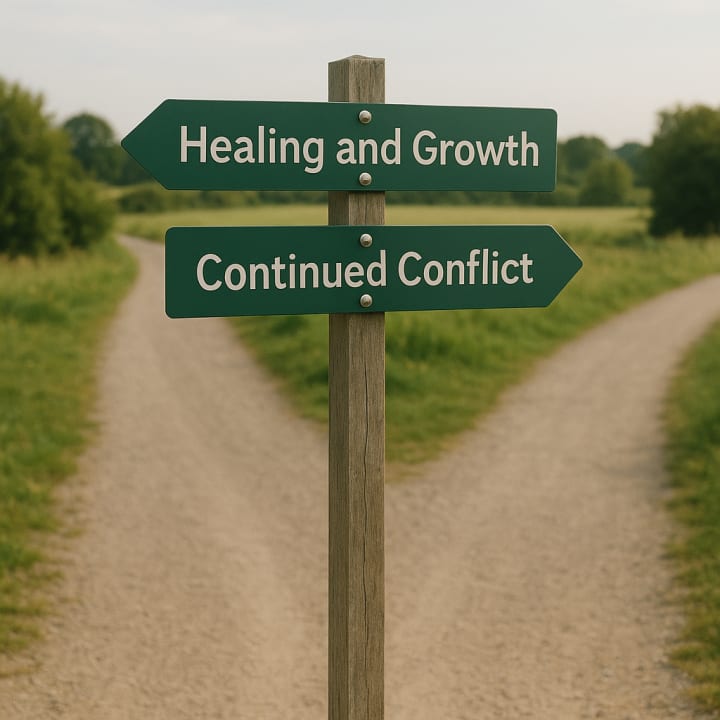
The silent treatment is a damaging manipulation tactic that can have a profound impact on the recipient's emotional well-being. By understanding the dynamics of this behavior and implementing healthy coping strategies, you can break the cycle of silence and build healthier, more fulfilling relationships. Remember that you deserve to be treated with respect, kindness, and open communication. Don't be afraid to stand up for yourself and prioritize your own emotional health.
About the Creator
Wilson Igbasi
Hi, I'm Wilson Igbasi — a passionate writer, researcher, and tech enthusiast. I love exploring topics at the intersection of technology, personal growth, and spirituality.
Keep reading
More stories from Wilson Igbasi and writers in Humans and other communities.
Decoding Affection: How to Spot Love Bombing in the First Week (With Real Text Examples)
The initial stages of a relationship are often painted with rose-tinted glasses. Excitement, butterflies, and a genuine feeling of connection can make the first few weeks exhilarating. But sometimes, what appears to be an intense connection is actually a calculated manipulation tactic known as “love bombing.” While grand gestures and showering someone with affection might seem romantic on the surface, understanding the difference between genuine interest and love bombing is crucial for protecting your emotional well-being. This article will arm you with the knowledge to recognize love bombing within the first week, backed by real text message examples, allowing you to navigate new relationships with greater awareness.
By Wilson Igbasi2 months ago in Humans
The Bookmark of Room 214: The Man Who Read the Same Book Every Day for 11 Years to a Wife Who Forgot His Name
There are love stories that begin with fireworks, with grand gestures in the rain, or with public declarations that demand the world’s attention. Then, there are love stories that happen in the quiet corners of the world, smelling faintly of antiseptic and floor wax, where the only audience is a humming radiator and a ticking clock.
By Frank Massey 7 days ago in Humans
How to Succeed at the Benson Directory®
Congratulations and welcome to the Benson Directory® employee #22391! As our newest call handler, you will have the privilege of speaking with dozens of unique and interesting people on a daily basis as well as the opportunity to earn bonuses for high performance. Contained within this handbook you will find a set of ease to follow instructions designed to help you settle in to your new role and begin paving the way to success.
By S. A. Crawford2 days ago in Fiction




Comments
There are no comments for this story
Be the first to respond and start the conversation.