
The Silent Crisis of Middle-Aged Men
(And Why We're Not Allowed to Talk About It)

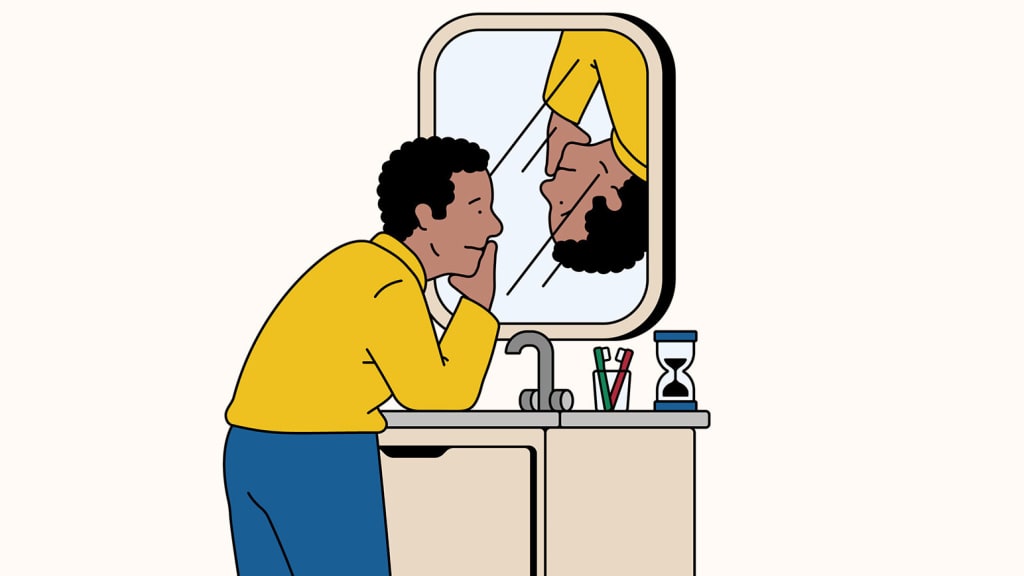
There's an unspoken rule about being a man over 40: you're supposed to have your shit together. Career stable, family functioning, emotions in check, future planned. Society hands you this invisible checklist at birth, and by middle age, you're expected to have ticked every box with quiet competence and zero complaints.
But what happens when you're 45 and still figuring things out? When the promotion didn't come, the marriage feels strained, and you wake up wondering if this is really all there is? What happens when the strong, silent provider narrative feels more like a prison than a purpose?
Welcome to the middle-aged male experience that nobody wants to acknowledge – where vulnerability is weakness, uncertainty is failure, and asking for help feels like admitting you've been lying about who you are for decades.
The Impossible Standard
The expectations start early but crystallize in middle age. You're supposed to be the rock – emotionally steady, financially secure, physically capable, and mentally unshakeable. You provide for your family, fix things that break, make decisions without doubt, and handle stress without cracking.
Movies reinforce this image: the competent father who always knows what to do, the successful businessman who never shows fear, the husband who solves problems rather than creating them. Even when these characters struggle, their struggles are noble and temporary – obstacles to overcome rather than ongoing human complexity.
Real life, however, is messier. Real middle-aged men lose jobs, question their marriages, worry about their health, wonder if they've wasted their potential, and sometimes feel completely lost despite appearing successful from the outside. But admitting any of this feels like confessing to fundamental failure.
The Emotional Straightjacket
Society has begun embracing emotional openness and mental health awareness, but somehow this evolution stopped at the door of middle-aged masculinity. We tell young men it's okay to cry and encourage women to express their feelings, but middle-aged men? They're supposed to have already figured out their emotional landscape decades ago.
When a 45-year-old man expresses doubt about his career path, he's having a "midlife crisis" – a phrase that immediately trivializes legitimate concerns about purpose and fulfillment. When he admits to feeling overwhelmed by responsibilities, he's not managing stress properly. When he shows vulnerability, people become uncomfortable because it doesn't fit the script.
The message is clear: emotional struggles are acceptable for everyone except men who are supposed to be at their peak competence. We're caught between outdated expectations of stoicism and modern demands for emotional intelligence, with no clear guide for navigating the transition.
The Statistics Nobody Discusses
The data tells a story that our cultural narrative ignores. Middle-aged men have the highest suicide rates of any demographic. They're more likely to die from stress-related illnesses, more prone to addiction, and less likely to seek help for mental health issues. Yet these statistics are treated as individual failures rather than symptoms of a systemic problem.
We've created a culture where the people who are supposed to be the strongest are quietly breaking, and their breakdown is seen as personal weakness rather than the inevitable result of impossible expectations. The very men who are expected to hold everything together are falling apart in silence.
The Friendship Deficit
One of the cruelest aspects of middle-aged masculinity is the isolation. Men this age often lack the deep friendships that provide emotional support and honest conversation. Male friendships tend to be activity-based rather than emotionally intimate, leaving many men without anyone to talk to about their real struggles.
Women maintain networks of emotional support throughout their lives, but men are taught that needing emotional connection is weak or unnecessary. By middle age, many find themselves surrounded by acquaintances but lacking true confidants – people who would notice if they were struggling and care enough to help.
This isolation compounds every other challenge. Career stress becomes overwhelming when you have no one to talk to about it. Marriage problems feel insurmountable when discussing them feels like betraying masculine self-sufficiency. Health concerns become sources of secret anxiety when admitting fear isn't acceptable.
The Provider Trap
The expectation to be a provider – emotionally, financially, practically – creates enormous pressure that's rarely acknowledged. Middle-aged men often feel responsible for everyone else's wellbeing while neglecting their own needs. They work jobs they don't love to pay for lifestyles they can barely afford, all while pretending this sacrifice is fulfilling rather than depleting.
The provider role also creates identity confusion when circumstances change. Job loss, divorce, health problems, or financial setbacks don't just affect practical circumstances – they threaten the core of how society defines successful masculinity. Without the ability to provide, many men feel like they've lost their fundamental purpose.
Redefining Strength
Real change requires recognizing that strength isn't the absence of struggle – it's the courage to be honest about struggle. A 50-year-old man admitting he's depressed isn't weak; he's brave enough to acknowledge reality instead of performing an impossible ideal.
We need new models of middle-aged masculinity that include uncertainty, vulnerability, and the ongoing process of growth rather than the myth of having everything figured out. This means normalizing career changes, emotional struggles, relationship challenges, and the simple human experience of not knowing what comes next.
The Conversation We Need
The solution starts with talking – openly, honestly, without shame. Middle-aged men need permission to admit when they're struggling, space to express doubt without judgment, and communities that support growth rather than performance.
This isn't about abandoning responsibility or strength. It's about expanding the definition of both to include emotional honesty, personal growth, and the wisdom that comes from admitting you don't have all the answers.
Moving Forward
Being a middle-aged man doesn't have to mean living up to an outdated script written by previous generations. It can mean writing a new story – one that includes struggle alongside strength, uncertainty alongside wisdom, and vulnerability alongside resilience.
The strongest thing any of us can do is be honest about who we actually are rather than who we think we're supposed to be. And maybe, if enough of us start telling the truth about middle-aged masculinity, we can create space for the next generation to experience this stage of life with less shame and more support.
Because pretending everything is fine when it isn't doesn't make you strong. It just makes you alone.
About the Creator
Allen Boothroyd
Just a father for two kids and husband
Keep reading
More stories from Allen Boothroyd and writers in Humans and other communities.
The Silent Crisis: Why Middle-Aged Men Are Struggling
I used to think mental health was something that happened to other people. Depression was for the dramatically sad, anxiety was for the obviously nervous, and therapy was for those who couldn't tough it out on their own. Then I hit 44 and realized I'd been slowly drowning for months without even recognizing the water.
By Allen Boothroyd8 months ago in Humans
Why Didn't Anyone Tell Us
Men, move along. This is not for you. This is for the women. I was forty-five when I began menopause. It is pretty young for that to be going on in a woman’s life, but I had undiagnosed PCOS, my entire life. Thank you to all the gynecologists I had seen my entire life. That in itself should encourage women to keep seeking second opinions, especially when you are not getting correct answers or any at all.
By Alexandra Grant2 days ago in Humans
Common Mistakes in Medical Waste Disposal & How to Avoid Them
Key Takeaways You need to be extra careful when discarding sharps waste to avoid injuries. PPEs are integral in fostering safety during medical waste disposal. Avoid mixing medical waste with other household trash.
By Aaron Smithabout 10 hours ago in Humans


Comments
There are no comments for this story
Be the first to respond and start the conversation.