
The Significance of Your Child's Friendship Circle
Your Child's Friendship Circle
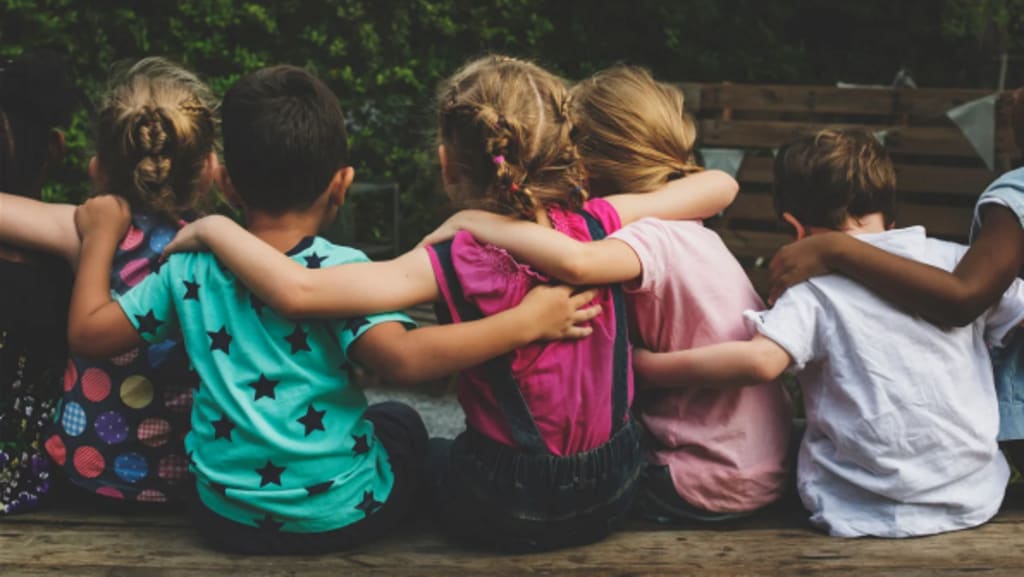
In every stage of a child's life, friendships play a vital role. From the first playdate to the high school graduation party, friends influence not just the joyous moments but also the decisions children make. As parents, it's only natural to be concerned about the company our children keep. But beyond the surface, there's a deeper implication to these friendships.
The Role of Peer Influence
Children, especially teenagers, are at a phase where they're establishing their identity. This search often leads them to look towards their peers for validation. It's not uncommon for children to adopt behaviors, habits, and attitudes that mirror those of their closest friends. Peer pressure, both subtle and overt, can sway children towards actions they might not have considered otherwise.
Now, while many of these actions are innocent—like trying out a new hobby or adopting a new fashion trend—some can lead them down a path of criminal behavior. Vandalism, shoplifting, or more severe criminal activities might start as an act of rebellion or a dare between friends. But the consequences can be long-lasting.
Proactive Parenting: Navigating Friendships
Understanding the importance of your child's friends doesn't mean micromanaging their social life. Instead, it's about being proactive and engaged. Here are some steps parents can take:
1. Open Communication: Foster an environment where your child feels comfortable discussing their friends without fear of judgment. Know their friends and their friends' parents. This doesn't mean prying into every detail but having a general understanding of who they're spending time with.
2. Teach Decision-making: Equip your child with the skills to make decisions independently. Discuss hypothetical scenarios and ask them how they would react. This can prepare them for real-life situations where they might face peer pressure.
3. Stay Involved: Attend school events, encourage group activities at home, and be present. This allows you to observe your child's interactions and step in if you notice unhealthy dynamics.
4. Seek Professional Guidance: If you notice your child getting involved in suspicious activities or showing drastic behavioral changes, don't hesitate to seek guidance. Whether it's counseling or legal advice from a youth criminal defence lawyer, early intervention can prevent more severe consequences.
Social Development
Friendships provide children with a unique platform for social development. Through interactions with their peers, children learn essential social skills such as communication, cooperation, conflict resolution, and empathy. Their friendship circle becomes a laboratory where they practice and refine these skills, which are vital for navigating the complexities of adult life.
Children often imitate the behaviors and values of their friends, so the choice of friends can greatly influence their social development. Encouraging your child to maintain friendships with peers who exhibit positive qualities can lead to the cultivation of healthy and constructive social habits.
Emotional Well-being
Friendships are a source of emotional support for children. As they develop close bonds with their friends, they have someone to confide in, share their joys and concerns, and seek comfort when facing adversity. Having a supportive friendship circle can significantly enhance your child's emotional well-being.
However, it is equally crucial for parents to pay attention to signs of toxic friendships, which can lead to emotional distress. Encouraging open communication with your child about their friends can help you identify any issues and provide guidance when necessary.
Cognitive Development
Friendships also play a role in your child's cognitive development. Interactions with friends stimulate intellectual growth as they share ideas, solve problems, and engage in imaginative play. These activities not only enhance cognitive abilities but also foster creativity and critical thinking skills.
Additionally, when children share interests with their friends, they are more motivated to explore new activities and learn from one another. This shared enthusiasm can ignite a passion for learning and curiosity that extends beyond the confines of their friendship circle.
Self-Identity and Belonging
As children interact with their peers and form friendships, they begin to develop a sense of self-identity and belonging. The relationships they establish with their friends help them define who they are, what they value, and where they fit within their peer group and society at large.
Parents can support this process by fostering an environment where their child feels comfortable exploring their individuality while also teaching them about the importance of inclusion and respect for diversity.
Long-Term Impact
Friendships established during childhood can have long-lasting effects on a person's life. The bonds formed in childhood often evolve into lifelong friendships. These relationships can be a source of ongoing support, companionship, and shared memories.
Moreover, the influence of childhood friendships can extend into adulthood, impacting career choices, lifestyle, and personal values. Therefore, as a parent, understanding the significance of your child's friendship circle is crucial, as it can shape their future in unforeseen ways.
In Conclusion
The friends our children choose can influence their path in life. While friendships offer emotional support, joy, and memorable experiences, they can also lead to peer pressure and risky behaviors. By understanding the potential implications and staying engaged in our children's social lives, we can guide them towards positive influences and away from potential pitfalls. And if things do take a wrong turn, professionals like youth criminal defence lawyer are there to offer support, guidance, and a way forward.
About the Creator
Whiskey At Dusk
Guess the whiskey was more important to you in the end, wasn’t it? It was more than the well-being of your friends; more vital than showing up to the places you promised you would and could come to; more critical of a matter than fulfilling your damn responsibilities and getting the press off your back.
By Snarky Lisa3 days ago in Humans
How to Start an IOP Program for Substance Abuse in NJ
Deciding to get help can feel like standing at the edge of something unfamiliar, but it is also the moment real change becomes possible. If you are considering an Intensive Outpatient Program for substance abuse in New Jersey, I want you to know that you are not late, broken, or alone. You are simply ready to take a structured step forward, and that matters more than anything else.
By Jordyn Mastrodomenicoabout 19 hours ago in Humans




Comments (1)
Friendship circles are good!