
The Secrets Behind Physical Attraction: What Draws Us In
Explore the psychology and science of physical attraction, uncovering the factors that influence who we find appealing.

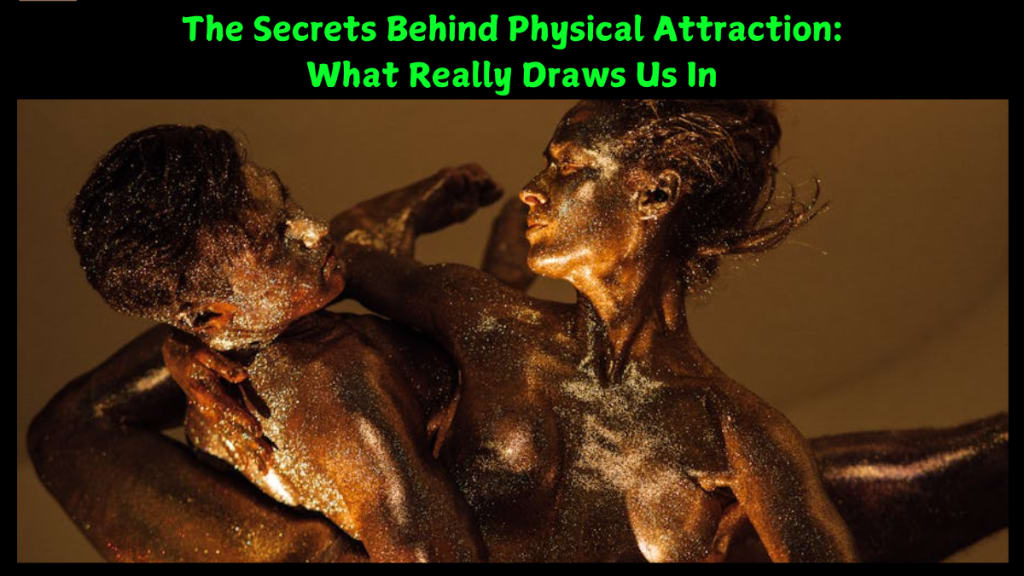
Physical attraction plays a crucial role in human relationships, influencing our choices and experiences in love and intimacy. But what exactly draws us to certain individuals? This article delves into the psychology of physical attraction, exploring the factors that contribute to it and how they interplay within our social and personal lives.
Understanding Physical Attraction
1. What Is Physical Attraction?
Physical attraction refers to the feelings of desire or interest that one person has for another based on their physical appearance. It encompasses various factors, including:
- Facial Features: Symmetry, skin clarity, and facial expressions can all influence attraction.
- Body Language: The way someone carries themselves can convey confidence and approachability.
- Overall Appearance: Style, grooming, and fitness levels also play a role in how attractive someone appears.
2. The Role of Biology
Biological factors significantly influence physical attraction. Evolutionary psychology suggests that certain traits may signal good health and fertility, making individuals more appealing as potential mates.
- Symmetry: Studies have shown that symmetrical faces are often perceived as more attractive. Symmetry is thought to indicate genetic health.
- Hormones: Pheromones, chemical signals secreted by the body, can influence attraction on a subconscious level. They convey genetic compatibility and reproductive fitness.
- Physical Fitness: Traits associated with fitness, such as muscle tone and overall health, can signal vitality and an ability to provide for offspring.
The Psychological Aspects of Attraction
1. The Importance of First Impressions
First impressions are powerful. Research indicates it takes seconds to form an opinion about someone’s attractiveness. Factors influencing first impressions include:
- Appearance: The immediate visual cues we receive are often the most influential.
- Confidence: Body language that exudes confidence can enhance attractiveness, making someone seem more appealing.
- Smile: A genuine smile can create a sense of warmth and approachability, drawing people in.
2. The Role of Familiarity
The mere exposure effect suggests that we tend to develop a preference for things simply because we are familiar with them. The more we see someone, the more attractive they may become. This principle can be observed in various contexts:
- Social Circles: Friends and acquaintances often become more attractive as we learn more about them.
- Media Exposure: Celebrities and public figures can become more appealing through repeated exposure to media.

3. Emotional Connection
While physical attraction is often immediate, emotional connection deepens attraction over time. Factors that contribute to this connection include:
- Shared Interests: Engaging in activities or discussions about common interests can enhance attraction.
- Vulnerability: Sharing personal stories and feelings can foster intimacy, making an individual more appealing.
- Support and Understanding: Being there for someone during tough times can significantly increase their attractiveness in your eyes.
Cultural Influences on Attraction
1. Societal Standards of Beauty
Cultural norms and societal standards heavily influence perceptions of attractiveness. These standards can vary widely across different cultures and periods, affecting what we find appealing. Examples include:
- Body Types: Preferences for body shapes can change from one culture to another. For instance, some cultures may favor curvier figures, while others might prefer leaner physiques.
- Fashion Trends: The way individuals choose to dress can significantly impact attractiveness. Fashion can communicate personality and status.
- Beauty Ideals: Media representation of beauty can shape our perceptions of attractiveness. Social media has amplified specific beauty standards that can affect self-esteem and attraction.
2. The Impact of Social Media
Social media plays a pivotal role in shaping modern perceptions of attractiveness. Platforms like Instagram and TikTok can create unrealistic beauty standards through filters and edited images. This can lead to:
- Comparison: Individuals may compare themselves to others, which can affect their self-esteem and perceptions of attractiveness.
- Validation: Likes and comments can reinforce certain behaviors or appearances, making individuals feel more attractive based on social feedback.

The Chemistry of Attraction
1. The Science of Love
Attraction is not merely a superficial experience; it involves a complex interplay of hormones and neurotransmitters. Key players include:
- Dopamine: Known as the "feel-good" hormone, dopamine is released during moments of attraction, creating feelings of pleasure and reward.
- Oxytocin: Often referred to as the "bonding hormone," oxytocin is released during physical touch and intimacy, enhancing emotional connections.
- Serotonin: This neurotransmitter can influence mood and emotions, playing a role in how attracted we feel to someone.
2. The Influence of Context
The environment in which we meet someone can significantly impact our perceptions of attraction. Factors include:
- Setting: Meeting someone in a romantic or exciting setting can enhance attraction.
- Social Context: Being in a group setting can amplify feelings of attraction, as social dynamics play a role in how we perceive others.

Maintaining Attraction Over Time
1. The Importance of Effort
Attraction can evolve. To maintain it, effort is key. Strategies to keep the spark alive include:
- Continuous Learning: Stay curious about your partner’s interests and passions, fostering connection through shared experiences.
- Physical Affection: Regular physical touch, such as hugs or hand-holding, can reinforce emotional bonds and attraction.
- Surprise and Spontaneity: Keep the relationship exciting by planning surprises or spontaneous activities together.
2. Communication
Open and honest communication is essential for maintaining attraction. Discussing desires, preferences, and feelings can help partners remain connected. Consider:
- Expressing Appreciation: Regularly acknowledge and appreciate your partner’s qualities and efforts.
- Addressing Issues: Deal with any relationship issues promptly to prevent resentment from building up and affecting attraction.
Conclusion
Physical attraction is a multifaceted phenomenon influenced by biological, psychological, and cultural factors. Understanding the secrets behind what draws us in can help individuals navigate their relationships more effectively. By prioritizing communication, fostering emotional connections, and appreciating the influence of societal standards, we can enhance our understanding of attraction and create deeper, more meaningful relationships.
Key Takeaways
- Physical attraction involves a blend of biology, psychology, and culture.
- First impressions matter, but emotional connections deepen attraction.
- Cultural standards and social media greatly influence perceptions of beauty.
- Maintaining attraction requires effort, communication, and spontaneity.
By embracing these insights, you can cultivate lasting attraction and build fulfilling relationships that stand the test of time.
Special Thanks Note
I would like to extend my heartfelt thanks to Unsplash for providing such an incredible collection of high-quality images that enhanced this article. Your platform has made it easy for creators like me to find stunning visuals that perfectly complement our work. The generosity of talented photographers sharing their art helps inspire and elevate content, making it more engaging for readers. Thank you, Unsplash, for your invaluable contribution to the creative community!
About the Creator
Abdul Jamil Nasir
Hello! I’m Abdul Jamil Nasir, a passionate writer exploring life, love, and culture. I focus on relationships, personal growth, and human emotions, believing in the power of words to inspire and connect with readers.
Keep reading
More stories from Abdul Jamil Nasir and writers in Humans and other communities.
Navigating Major Life Changes Together: A Relationship Guide
Life is full of changes—some expected, some unexpected. Whether it's moving to a new city, starting a family, changing jobs, or facing a health crisis, these transitions can significantly impact your relationship. Navigating major life changes as a couple can strengthen your bond and enhance your connection. This guide offers practical strategies to help you face life’s challenges together, ensuring your relationship thrives through the ups and downs.
By Abdul Jamil Nasirabout a year ago in Humans
Sonia Beeksma: Biography, Age, Husband, Children, Career & More
Sonia Beeksma is a celebrated Canadian television broadcaster, entertainment reporter, and former weather anchor known for her vibrant on-screen personality and sharp storytelling. From her early life in India to becoming one of Canada’s most recognized media figures, Sonia’s journey is nothing short of inspiring.
By Enoch Sagini4 days ago in Humans



Comments
There are no comments for this story
Be the first to respond and start the conversation.