
The Science Behind Marriage Counseling & Why It Works
Unlocking Lasting Love: How Counseling & The Marriage Fitness Program Harnesses Relationship Science to Strengthen Your Bond!!!


Let’s be real: marriage isn’t all candlelit dinners and long walks on the beach. As much as we’d like it to be, the reality often involves mismatched socks, bathroom debates over toothpaste tubes, and occasionally wondering if the love of your life has been replaced with a highly efficient but emotionally unavailable robot.
That’s where marriage counseling comes in. But what exactly happens in those therapy sessions that turns around relationships that might feel as if they’ve hit a brick wall? Is it all just talking in circles, or is there real science behind it? Spoiler alert: there’s definitely science — and it’s powerful.
The Role of Communication
One of the foundational pillars of marriage counseling is helping couples improve their communication. Now, before you roll your eyes, let’s dig a little deeper. Communication in a relationship isn’t just about talking — it’s about listening, understanding, and learning how to express feelings in ways that foster connection, not conflict.
Psychologists often emphasize that in many troubled marriages, communication breakdowns are at the heart of the problem. Couples stop truly hearing each other, which leads to misunderstandings, frustration, and ultimately, resentment. But there’s a reason marriage counselors often start with communication techniques: the science shows that effective communication can literally rewire how we interact with each other on an emotional level.
Research shows that active listening — where one partner reflects back what the other is saying before responding — can drastically improve the emotional tone of a conversation. Couples learn to pause before reacting, giving them the space to calm down and think about what they’re saying. Over time, this skill can create a more empathetic and supportive environment. And here’s the bonus: it works because it taps into the brain’s natural empathy response, which gets stronger the more you practice it.
Attachment Theory: The Science of Emotional Bonds
Another cornerstone of marriage counseling is attachment theory. Originally developed by psychologist John Bowlby, attachment theory suggests that our early relationships with caregivers shape the way we connect with others as adults. In a marriage, this means that how we attach to our spouse — emotionally and physically — can be influenced by how we attached to our parents or primary caregivers when we were children.
There are typically three main attachment styles: secure, anxious, and avoidant. Securely attached individuals tend to have healthy, balanced relationships, while those with anxious or avoidant attachment styles may struggle with intimacy or conflict.
Why does this matter in marriage counseling? Because understanding your attachment style — and that of your partner — can provide invaluable insight into relationship dynamics. A counselor might point out that one partner’s avoidance of conflict may actually stem from early experiences of not having their emotional needs met. The anxious partner might feel more needy because they are constantly seeking reassurance that they are loved. When both partners understand these tendencies, it becomes easier to navigate disagreements and show up for each other in a way that feels safe.

Cognitive Behavioral Therapy (CBT) in Marriage Counseling
One of the most effective therapeutic approaches used in marriage counseling is Cognitive Behavioral Therapy (CBT). But what does this have to do with your relationship? A lot, actually.
CBT is rooted in the idea that our thoughts, feelings, and behaviors are all interconnected. Negative thought patterns — like “He never listens to me” or “She’s always mad at me” — can spiral into negative behaviors, such as shutting down during arguments or withdrawing emotionally. When these cycles go unchecked, they can lead to lasting conflict and resentment.
Marriage counselors who use CBT help couples identify these patterns and work together to reframe negative thoughts. The goal is to break the cycle of negativity by encouraging more positive, constructive ways of thinking and responding. For example, if one partner tends to interpret the other’s silence as a sign of anger, CBT would encourage them to explore alternative explanations — maybe the partner is just tired or overwhelmed, rather than upset.
By teaching couples how to challenge and reframe these thoughts, therapists can help them communicate more effectively and avoid the traps of destructive criticism and defensiveness. Over time, CBT can significantly reduce relationship stress and improve overall satisfaction.
The Power of Empathy and Emotional Regulation
Let’s talk about emotions — specifically, how they can either strengthen or weaken a relationship. Every couple experiences emotional highs and lows, but the key to a successful marriage is emotional regulation: the ability to manage intense emotions (like anger or hurt) without letting them dominate your behavior.
In marriage counseling, emotional regulation skills are often a focus. Research in the field of emotional intelligence shows that couples who can identify their emotions, understand why they’re feeling them, and communicate them effectively are more likely to resolve conflicts in a healthy way. A counselor might teach couples techniques like deep breathing, mindfulness, or even guided imagery to calm down during heated moments. This is more than just breathing exercises, though — it’s about rewiring the brain to respond to stress in healthier ways.
When both partners practice emotional regulation, they create a more stable environment in which mutual understanding and empathy can thrive. This can help break the cycle of reactivity that so often leads to arguments and hurt feelings.
The Science of Positive Reinforcement
You know that warm feeling you get when your partner compliments you or expresses gratitude? That’s not just a fleeting moment of happiness — it’s a chemical reaction happening in your brain. When your partner does something kind, your brain releases dopamine, the “feel-good” hormone. This positive reinforcement strengthens the bond between partners and encourages more of the same behavior.
Marriage counselors understand this dynamic and often help couples incorporate positive reinforcement into their interactions. Rather than focusing solely on negative behaviors (which can feel like a constant critique), couples are encouraged to celebrate each other’s strengths and successes. This can be as simple as acknowledging your partner’s effort to solve a problem or expressing gratitude for their emotional support. Over time, these positive exchanges build trust and connection.
Mort Fertel's Marriage Fitness: A Science-Backed Approach to Revitalizing Relationships
If you’ve ever found yourself Googling “how to save my marriage” (no shame, we’ve all been there), chances are you’ve come across Mort Fertel and his Marriage Fitness program. And for good reason. Fertel’s approach to marriage counseling, while rooted in decades of research and experience, aligns closely with the scientific principles we discussed above — communication, emotional regulation, and attachment theory, to name a few.
So what exactly is Marriage Fitness? In a nutshell, it’s a self-guided program designed to help couples who are struggling in their relationships reconnect, rediscover each other, and rebuild their emotional bond. Fertel’s approach combines elements of traditional marriage counseling with a more dynamic, actionable plan that couples can take at their own pace.
How The Marriage Fitness Program Taps Into Relationship Science
One of the key pillars of Marriage Fitness is enhancing communication between partners. If you remember earlier, we talked about how effective communication can rewire how we interact with each other on an emotional level. This is exactly what Fertel emphasizes. His program includes specific tools and strategies to help couples speak more effectively, reduce defensiveness, and avoid the common pitfalls that often derail conversations.
Much like cognitive behavioral therapy (CBT), Marriage Fitness encourages couples to identify negative thought patterns and behaviors — for instance, assuming the worst about your partner’s actions or harboring resentments from past arguments. Fertel’s methods teach couples to reframe these negative thoughts and replace them with healthier, more constructive perspectives. By practicing this, couples can stop the cycle of negative thinking and get back to a place of mutual understanding and respect.
This idea of reframing is a critical concept in both Marriage Fitness and CBT, and it aligns with the research we discussed about how our thoughts, emotions, and behaviors are deeply connected. Fertel’s focus is on teaching couples to change the way they think — because when you change your thoughts, you change your emotional responses, and by extension, you change the relationship dynamics.
Another principle that Fertel addresses in Marriage Fitness is emotional regulation. As we mentioned before, learning to manage intense emotions — particularly during conflict — can make or break a relationship. Fertel’s program includes specific exercises designed to help couples control their emotional responses. This may include techniques for calming down in the heat of an argument, learning how to pause and reflect before reacting, and focusing on ways to maintain emotional balance rather than getting swept away in frustration or anger. These are all key elements that foster empathy, reduce defensiveness, and create a space for both partners to feel heard and understood.

The Role of Attachment Theory in Marriage Fitness
Fertel also draws heavily from attachment theory, particularly the idea that the emotional bond between partners must be nurtured and maintained. Like the therapists we discussed earlier, Fertel encourages couples to examine their relationship dynamics — especially how they’ve been conditioned to respond to each other’s emotional needs. By identifying each person’s attachment style, couples can begin to see patterns in their relationship that may be contributing to issues like insecurity, anxiety, or emotional distance.
For example, if one partner has an avoidant attachment style, they may withdraw when conflict arises. Fertel teaches couples to identify these triggers and respond in ways that are more supportive rather than reactive. The goal is to securelybond — which is the most resilient attachment style — and Marriage Fitness provides the tools to help couples reach this level of security, even if one or both partners started out with more anxious or avoidant tendencies.
A Practical, Structured Approach to Saving Your Marriage
One of the things that sets Marriage Fitness apart from traditional therapy is its structured, step-by-step approach. Instead of just “talking it out” week after week, the program provides couples with clear, actionable exercises they can do on their own or together. This is particularly helpful for couples who might not have the time or inclination to commit to long-term therapy but still want a comprehensive, results-driven strategy to improve their relationship.
Just like how CBT helps break negative thought patterns, Marriage Fitness provides a practical way to break old, unproductive relationship habits. Fertel’s approach offers tools that allow couples to develop healthier relationship habits over time, and while it may take effort, the program’s focus on small, incremental changes creates lasting impact.
Marriage Fitness as a Complement to Traditional Therapy
It’s also worth mentioning that Marriage Fitness doesn’t replace traditional marriage counseling but can serve as an effective complement. Some couples find that Fertel’s program works particularly well in conjunction with therapy, especially when they need a more structured approach to apply what they’re learning in sessions. In fact, many therapists endorse Marriage Fitness as a way for clients to reinforce and apply the lessons from counseling in their daily lives. By focusing on practical tools and exercises that align with what’s being discussed in therapy, couples are more likely to see lasting changes.
For example, if a couple is working through issues of emotional regulation in therapy, they can use Fertel’s exercises to practice these skills in real-world scenarios, strengthening their communication and emotional bond outside of the therapist’s office.
Why It Works
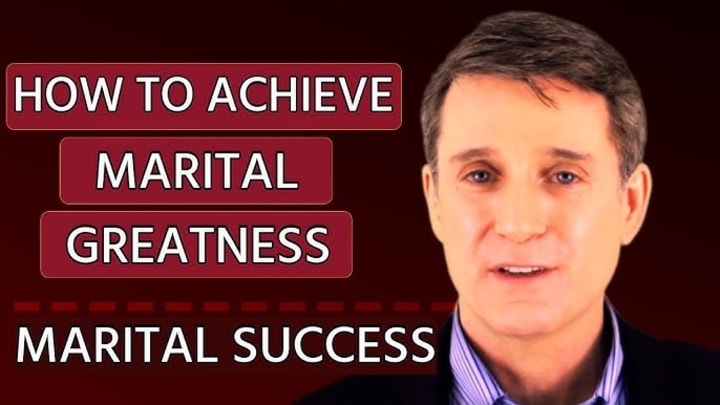
Ultimately, Mort Fertel’s Marriage Fitness program works because it incorporates the very principles that make marriage counseling effective: improving communication, understanding emotional dynamics, and fostering a secure emotional attachment. It takes the science behind successful relationships and translates it into actionable steps that couples can take in their own time, at their own pace.
For couples feeling stuck, frustrated, or even resigned to their struggles, Marriage Fitness offers a glimmer of hope — not in the form of a quick fix, but in the form of a real, science-backed solution that works. It’s a program that teaches couples how to rebuild, strengthen, and ultimately transform their relationships — one thoughtful, intentional step at a time.
So, if you’re looking to rejuvenate your marriage and create lasting change, Marriage Fitness might just be the science-backed toolkit you need to get the relationship you want.
Conclusion
In short, marriage counseling works because it is grounded in science — specifically, the science of human behavior, brain chemistry, and emotional regulation. By teaching couples effective communication, helping them understand their emotional needs, and guiding them through practical strategies for improving their relationship, counselors create lasting change.
But here’s the most important thing to remember: just like any other skill, maintaining a healthy relationship takes practice. Counseling isn’t a magic fix, but it provides the tools to help couples navigate life’s inevitable challenges together. And when both partners are committed to growth, the results can be nothing short of transformative.
So, the next time you’re sitting across from your partner at a marriage counseling session, know this: you’re not just talking in circles. You’re reprogramming your brain, strengthening your bond, and building a relationship that has the potential to thrive for years to come. Science has your back — and so does your counselor.
Thank you 🙏
Future of Resilience
About the Creator
Future of Resilience
I enjoy writing book and product review, relationship and parenting blogs. I hope you enjoy my writing. Happy Reading!
Keep reading
More stories from Future of Resilience and writers in Humans and other communities.
The Role of Human Design in Relationships: A Guide to Understanding Yourself, Your Partner, and Everyone Else
When it comes to relationships, we often hear phrases like "opposites attract" or "communication is key." But what if there's a deeper, more personalized way to understand how we connect with others? Enter Human Design, a relatively new yet increasingly popular system that blends astrology, the I Ching, Kabbalah, and quantum physics to offer a detailed map of who we are - and, importantly, how we relate to those around us.
By Future of Resilience about a year ago in Humans
Los Angeles Billionaire Moves to Nevada After California Threatens to Tax Wealth
When a prominent Los Angeles billionaire quietly packed up and moved to Nevada, it wasn’t just a personal lifestyle change — it was a political statement. The move came shortly after California lawmakers revived proposals to tax extreme wealth, targeting the state’s richest residents as a way to fund public services and address inequality. Now, that single relocation has become a symbol in a much larger debate: Do wealth taxes strengthen states — or drive their most valuable taxpayers away? The Trigger: California’s Wealth Tax Proposal California has long wrestled with how to fund its ambitious social programs while addressing widening income inequality. In recent years, progressive lawmakers have floated proposals to introduce a wealth tax, aimed at individuals with net worths above a certain threshold — often tens or hundreds of millions of dollars. Unlike income taxes, which apply to yearly earnings, wealth taxes target accumulated assets such as stocks, real estate, and business holdings. Supporters argue that this approach ensures the ultra-rich contribute a fairer share to public infrastructure, education, and housing. Critics, however, warn that wealth taxes are difficult to enforce and easy to avoid, especially in a mobile economy where residency can shift across state lines. The Los Angeles billionaire’s move appears to validate those concerns. Why Nevada? Nevada has become a magnet for wealthy individuals — and the reasons are straightforward. The state has: No personal income tax No capital gains tax Business-friendly regulations A growing financial and tech services sector For high-net-worth individuals, relocating to Nevada can mean saving millions of dollars annually. For someone facing the possibility of a wealth tax layered on top of California’s already high income taxes, the financial incentive is hard to ignore. In this case, the billionaire reportedly established legal residency in Nevada, purchased property, and shifted business operations — all steps that tax experts say are increasingly common among ultra-wealthy Californians. A Broader Trend, Not an Isolated Case This move is far from unique. Over the past decade, California has seen a steady outflow of wealthy residents to states like Nevada, Texas, Florida, and Arizona. While climate, housing costs, and lifestyle play roles, tax policy has become a central factor. High-profile departures — from tech executives to hedge fund managers — often spark political backlash. Critics argue that the wealthy are abandoning the state that helped them succeed. Defenders counter that states should not penalize success to fund unsustainable spending. The Los Angeles billionaire’s relocation has once again brought this tension into the spotlight. The Political Reaction in California California lawmakers defending the wealth tax proposal insist that fear of capital flight is exaggerated. They argue that the state’s economic advantages — including access to talent, innovation hubs, and cultural influence — outweigh tax concerns for most entrepreneurs. Some lawmakers also point out that California already relies heavily on its highest earners, with a small percentage of taxpayers contributing a large share of total revenue. In their view, asking the ultra-rich to contribute more is not radical — it’s necessary. Opponents, however, see the billionaire’s move as a warning sign. They argue that when even a single wealthy individual leaves, the state can lose not only tax revenue but also investment, philanthropy, and job creation. What This Means for State Finances The departure of one billionaire may not immediately dent California’s massive budget, but the long-term implications are harder to ignore. Wealthy individuals often: Pay a disproportionate share of state taxes Fund startups and venture capital Support universities, museums, and nonprofits If enough high-net-worth residents follow the same path, critics warn, the tax base could shrink faster than lawmakers expect. Supporters of the wealth tax counter that public investment funded by higher taxes could improve quality of life for millions — potentially attracting new residents and businesses in the long run. A National Debate Over Wealth and Mobility This story extends beyond California. Across the U.S., states are competing for residents — especially wealthy ones. Tax policy has become one of the most powerful tools in that competition. While progressive states push for redistribution, low-tax states market themselves as havens for capital. The Los Angeles billionaire’s move underscores a key reality of modern economics: wealth is increasingly mobile. Assets can move digitally, businesses can relocate headquarters, and individuals can change residency with relative ease. This mobility complicates efforts to tax extreme wealth at the state level, fueling calls for federal solutions instead. The Ethical Divide At the heart of the controversy lies a philosophical question: Should wealthy individuals feel a moral obligation to remain and pay higher taxes in the states that enabled their success — or are they justified in seeking the most favorable financial environment? Supporters of wealth taxes argue that extreme inequality threatens social stability and that those who benefit most from the system should help sustain it. Opponents argue that punitive taxation discourages innovation and rewards capital flight, ultimately harming the very communities lawmakers aim to help. The billionaire’s move doesn’t settle the debate — but it sharpens it. What Happens Next? California’s wealth tax proposals are still evolving, and it remains unclear whether a final version will pass. Even if enacted, legal challenges and enforcement hurdles loom large. Meanwhile, states like Nevada are likely to continue benefiting from California’s policy uncertainty, attracting wealthy residents and businesses seeking predictability. For policymakers, the challenge is balancing fairness, revenue needs, and competitiveness in a system where borders are increasingly porous. Final Thoughts The Los Angeles billionaire’s move to Nevada is more than a headline — it’s a case study in how tax policy shapes behavior. It highlights the difficulty of taxing wealth at the state level and the unintended consequences that can follow even well-intentioned reforms. As California debates its economic future, one thing is clear: in a mobile, interconnected economy, policy decisions don’t just redistribute wealth — they redirect it. Whether wealth taxes become a solution or a cautionary tale will depend on how lawmakers respond to the signals already being sent.
By Muhammad Hassanabout 14 hours ago in Humans


Comments (1)
This is a great book for all who are having various issues. At one time I was interested in this kind of counseling, but I wanted to help the children that were involved somehow so I like Family and Play therapy.