
The root of the plant is considered a "blood purifier" and cancer preventer.
Burdock is a healthy, nutritious food that has been used in food and medicine for hundreds of years. The effects of burdock root are often mentioned as rich in antioxidants, protecting the cardiovascular system...

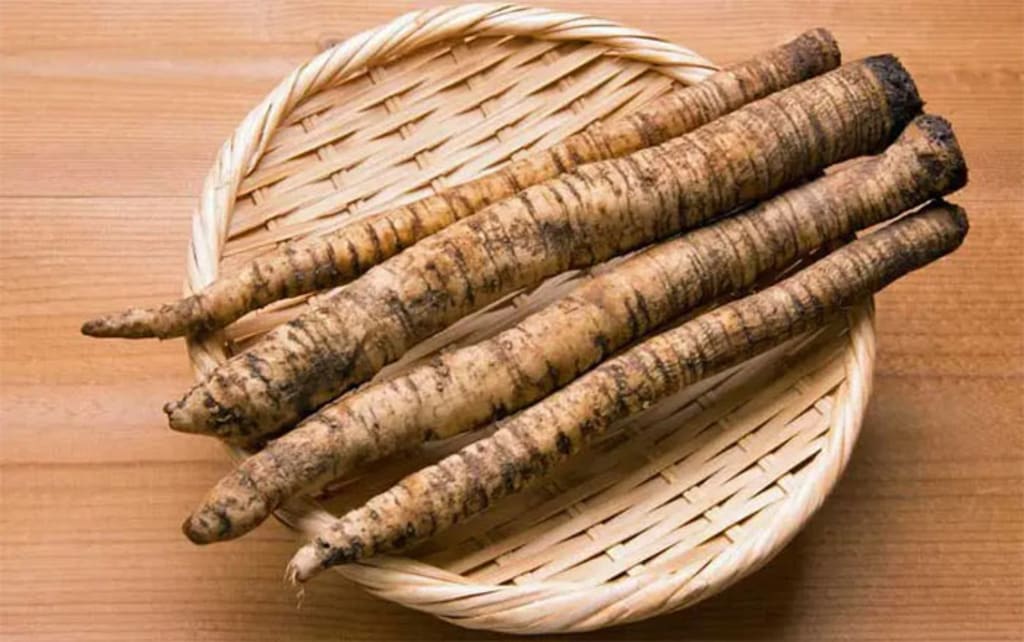
Burdock root is rich in antioxidants and can be used as a natural medicine for a variety of health conditions. Burdock root can be taken as a tea, powder, or extract and in many dishes.
What is burdock?
Burdock is a plant in the Asteraceae family. It is native to northern Asia and Europe but is grown in other parts of the world, including North America. Burdock root is typically made into a tea and has the most benefits, but the burdock fruit and seeds can also be used medicinally.
1. Health benefits of burdock root
Although there are many uses for burdock root that have been anecdotally used, only a few have been scientifically studied. Recently, researchers have discovered many more potential uses and health benefits of burdock root. This may be enough to warrant its use as a complementary treatment for certain health conditions.
Burdock root is rich in inulin (50% - 70%), prebiotic fiber and other phytonutrients such as flavonoids, phytochemicals and antioxidants that are especially beneficial to health.
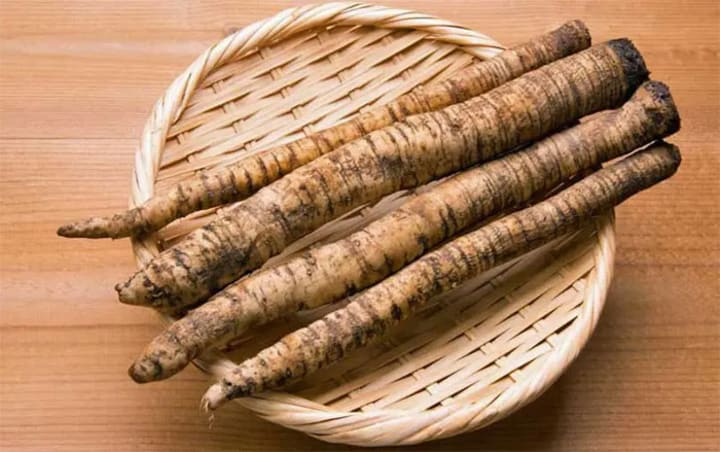
Burdock root has many health benefits.
1.1. Powerful source of antioxidants
Burdock root has been shown to contain a variety of powerful antioxidants including quercetin, luteolin, and phenolic acids.
Antioxidants protect cells in the body from damage caused by free radicals and help treat and prevent a number of underlying health conditions. Free radicals can be responsible for many diseases such as cancer, aging, and inflammatory disorders.
Antioxidants also help reduce inflammation. According to Healthline, burdock root has been shown to reduce inflammatory markers in the blood of patients with osteoarthritis.
1.2. Remove toxins from the blood
According to Healthline, one of the most popular uses of burdock root is to purify the blood. Although there is little Western scientific evidence to support this, in Traditional Chinese Medicine, burdock root has long played a role in detoxifying the body or purifying the blood.
Recent evidence has found that burdock root contains active ingredients that help remove toxins from the blood and promote blood flow to the surface of the skin. This may be due to the root’s ability to fight certain infections and bacteria. However, before using burdock root to purify the blood, consult your doctor.
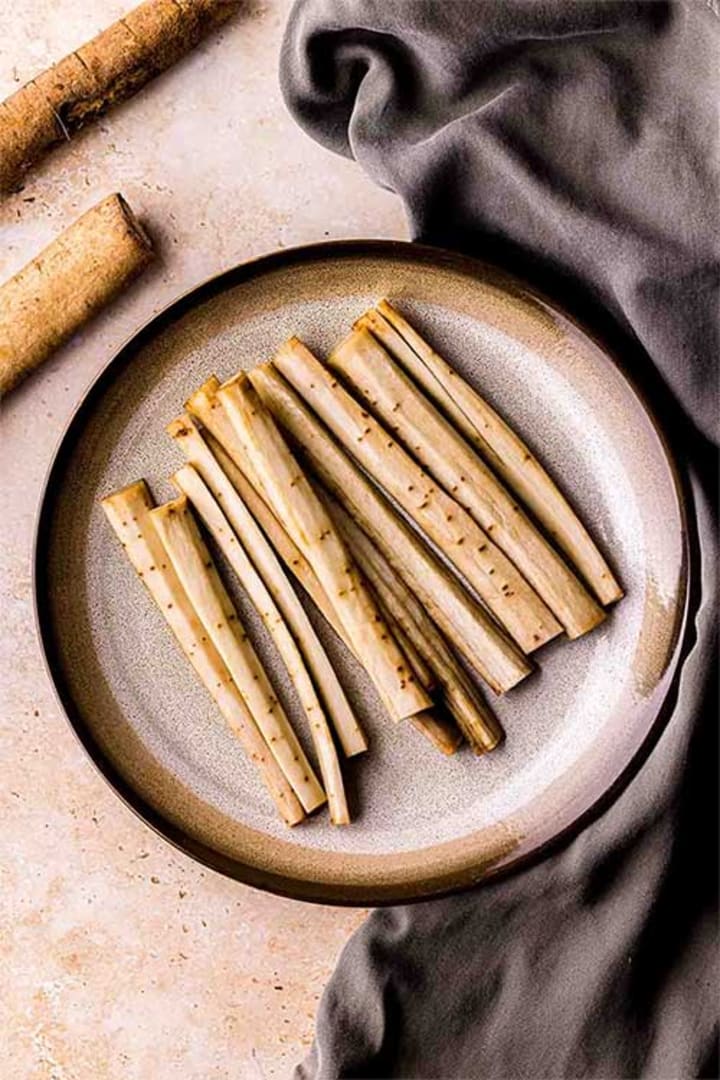
Before using burdock root to purify the blood, consult your doctor.
1.3. May inhibit certain types of cancer
According to Medical News Today, a 2016 study found that burdock may slow the growth of breast cancer tumors.
Free radicals and inflammation have both been linked to cancer development. The antioxidant and anti-inflammatory properties of burdock root may be the mechanism behind this effect. Specifically, the flavonoids and polyphenols in burdock root may help slow tumor growth and reduce pain caused by certain cancers. However, more research is needed to fully determine the effects of burdock on different types of cancers and tumors.
1.4. Treatment of skin problems
Burdock root has also long been used to treat skin conditions such as acne, psoriasis or eczema due to its anti-inflammatory and antibacterial properties when applied topically.
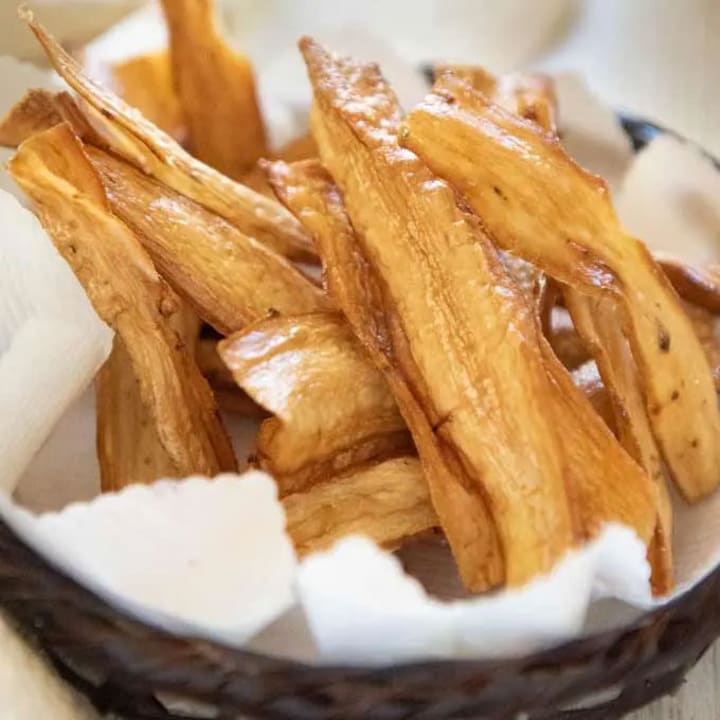
There are many dishes made from burdock root.
1.5. Improve metabolic syndrome
Metabolic syndrome is characterized by high blood pressure, high blood sugar and cholesterol levels, and increased abdominal fat.
According to Medical News Today, a 2014 study found that burdock root may help reduce dangerously high blood sugar levels. Another small study in older women with metabolic syndrome found that burdock root tea may help increase hormones and DHEA-S (dehydroepiandrosterone sulfate) to improve body composition—which may help reduce metabolic syndrome symptoms.
However, the size of the studies is still quite small and still needs to be expanded with larger populations to be sure of this effect.
1.6. Can burdock root cure colds?
For centuries, burdock root has been used to treat the common cold, sore throat, and other infections due to its antibacterial properties and is especially useful in destroying biofilms of large, adherent colonies of bacteria.
In addition to burdock root, burdock seed is also a familiar medicine in treating sore throat, cold, fever, and cough with phlegm.
1.7. Diuretic
Burdock root may also act as a diuretic to help remove water from the body, reducing water retention in people with conditions that can cause water retention or who are taking medications that have water retention as a side effect.
2. Side effects of burdock root
Burdock can cause allergic reactions and other unwanted side effects – although these are rare and mostly limited to case reports. For example, a man in Japan reported difficulty breathing and hives after eating burdock root. A woman who drank detox burdock tea with other herbal ingredients for a month experienced acute liver damage and stomach pain.
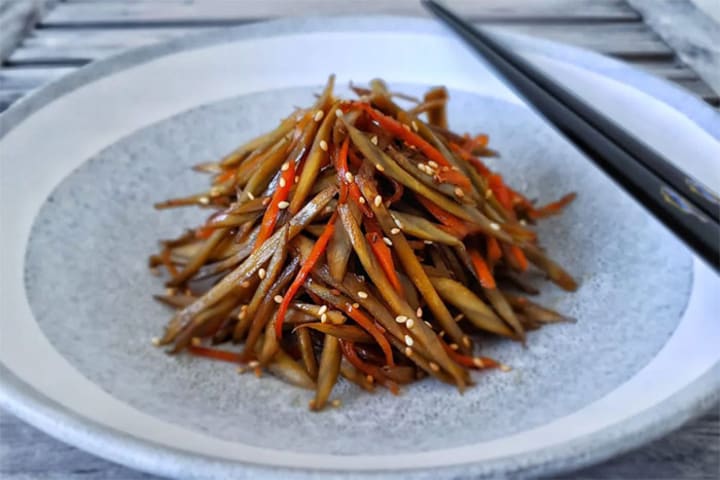
Burdock may cause some side effects.
However, it is important to note that it is important to consult a doctor before use and if you experience difficulty breathing, seek emergency medical attention immediately.
You should avoid using burdock root if you are:
Women who are pregnant, planning to become pregnant or are breastfeeding
Children under 18 years old
People with a history of allergies to plants such as chrysanthemums unless recommended by a doctor.
People who are taking diuretics, diabetes medications or anticoagulants, the cancer medications cisplatin, quercetin, and tamoxifen.
Additionally, people with chronic or life-threatening health conditions should also consult a doctor before using burdock root.
3. Notes when using
If you are taking burdock supplements, use them in moderation and only as directed by your doctor.
Burdock is considered safe to eat, but you should only buy it from a reputable seller rather than harvesting it yourself, as there are some highly toxic plants that look quite similar to burdock, such as belladonna.
Burdock root is high in inulin, so it may cause temporary bloating or gas after eating. Symptoms may be more severe if you are sensitive to other foods high in inulin.
Dosage: There is little research and guidance on the recommended daily intake of burdock root. If you plan to use it as a supplement, consult your doctor first. Fresh burdock root should be peeled before consumption; it can be eaten raw or cooked.
Burdock root is also available in powder, tea, or fermented form. One cup of burdock tea per day is considered safe.
Dishes made from burdock root include : kimbap, stir-fried burdock root, fermented burdock root, fried burdock root,...
Overall, many studies on the effects of burdock root as well as burdock plant have not reached a certain conclusion, so you should not use it as a substitute for any prescribed treatment. Consult your doctor to get advice on the appropriate dosage for your condition.
About the Creator
Ken Daklak
Telling stories my heart needs to tell <3 life is a journey, not a competition
If you like what you read, feel free to leave a tip,I would love some feedback
https://s.shopee.vn/VwwLTGLe9
Keep reading
More stories from Ken Daklak and writers in Humans and other communities.
Lost and Alone in the French Alps
Looking back, I can trace some of my life’s biggest adventures to a simple action from my sister. She’d introduced me to Tommy (a very long time ago), a colleague of hers, who had overshared his penchant for Italian-looking women, and I ticked that box.
By Chantal Christie Weiss20 days ago in Humans


Comments
There are no comments for this story
Be the first to respond and start the conversation.