
The Room Without Doors
A man wakes up in a room with no exit and no memory of how he got there

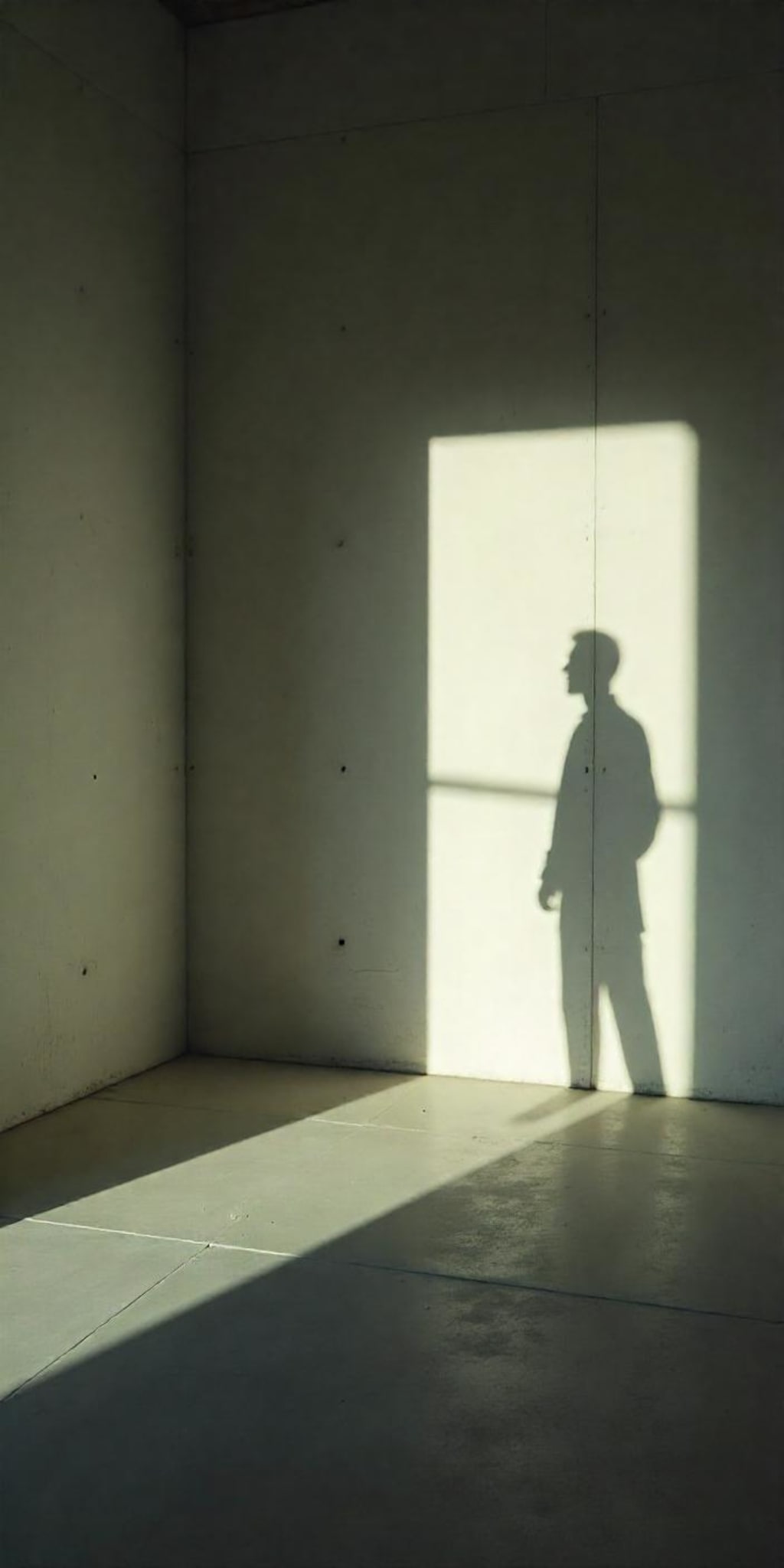
In a world where mystery often finds its way into the mundane, there are stories that capture the imagination and refuse to let go. One such haunting tale is that of The Room Without Doors, a chilling scenario that explores the edges of human consciousness, memory, and the terrifying question: what if you woke up trapped in a place with no way out?
The Awakening: A Man, A Room, and No Escape
Our story begins with an unnamed man regaining consciousness on a cold, hard floor. The room around him is bare, lit by a single dim bulb that flickers just enough to make the silence feel alive. His mind is blank no name, no past, and no understanding of how he arrived in this sealed, windowless chamber.
As his senses adjust to the sterile environment, the man notices the most disturbing detail of all: there are no doors, no windows, and no apparent exit. The walls are smooth and unbroken, as if the room had been constructed around him.
This concept of an inescapable room taps into one of the deepest human fears — the fear of confinement and isolation. This primal anxiety has been explored in countless books, films, and psychological studies, but "The Room Without Doors" elevates it to a new level of existential dread.
The Psychological Spiral: When Memory Fails
As hours turn into what feels like days, the man's attempts to piece together his identity begin to unravel. He searches the room for clues: cracks in the wall, hidden compartments, even signs of previous inhabitants. But the room remains silent, indifferent to his desperation.
Without memories to anchor him, the man is forced to confront his own mind. His thoughts turn cyclical, spinning from logic to panic and back again. Was this some kind of experiment? A prison? Or worse was this reality at all?
Psychologists have long studied the effects of isolation and memory loss. Studies reveal that even short periods of sensory deprivation can lead to hallucinations, anxiety, and paranoia. In the case of "The Room Without Doors," the man’s amnesia compounds the psychological torture, creating a scenario where reality and imagination are indistinguishable.
Searching for Meaning: Clues in the Void
Despite the room's apparent emptiness, the man refuses to give up hope. He begins to establish routines, using mental exercises to hold onto fragments of time. He starts marking the walls with scratches to track the days, although, without sunlight or a clock, the concept of time becomes meaningless.
Occasionally, subtle changes occur: the flicker of the lightbulb, a faint hum from the walls, the distant sound of something mechanical. These tiny anomalies become his lifeline, suggesting that the room may not be as sealed and isolated as it appears.
In this sense, "The Room Without Doors" mirrors real-world tales of survival and mental endurance. Stories of prisoners in solitary confinement or castaways stranded on deserted islands echo the same theme: the human mind’s remarkable, sometimes fragile, resilience.
A Metaphor for Modern Life?
The eerie scenario of waking up trapped in an unknown space with no memory can also be viewed as a powerful metaphor for modern life. Many individuals, especially in high-stress, routine-based lifestyles, wake up each day feeling trapped by their circumstances stuck in jobs, relationships, or social roles that no longer serve them.
Much like the man in the room, people often search for an exit, a new direction, or a deeper understanding of their purpose. The room without doors becomes a symbol of the invisible walls we build around ourselves emotional, psychological, and even spiritual barriers.
The Unresolved Ending: Freedom or Acceptance?
The beauty and terror of this tale lie in its ambiguity. Whether the man eventually escapes or simply comes to terms with his situation, remains unknown. This lack of resolution forces readers to wrestle with the same questions: Is freedom an external condition or an internal state of mind? When faced with the inescapable, can acceptance offer the only real liberation?
"The Room Without Doors" invites reflection on the human experience, particularly the struggle to find meaning when all familiar signposts vanish. Whether viewed as a psychological thriller, a philosophical thought experiment, or a modern parable, this story lingers long after the last word.
Final Thoughts
Stories like The Room Without Doors remind us that the scariest prisons are often not made of concrete and steel but of uncertainty and isolation. This chilling narrative taps into universal fears and serves as a mirror to the complexities of modern existence. Whether you see it as a metaphor, a psychological puzzle, or a literal nightmare, the message is clear: the search for meaning, identity, and escape is a journey as old as humanity itself.
If you ever find yourself trapped physically, mentally, or emotionally remember that sometimes the way out isn’t a door, but a change in perspective.
About the Creator
Fahad Khan
I’m a passionate writer focused on empowering individuals to create positive change in their lives. Through my articles, I explore practical strategies for personal development, productivity, mental health, and mindfulness.
Keep reading
More stories from Fahad Khan and writers in Humans and other communities.
Why You’re Always Tired (Even After 8 Hours of Sleep)
Do you religiously get your eight hours of sleep each night, only to wake up feeling like you barely rested? You're not imagining things and you're certainly not alone. Millions of people experience chronic fatigue despite spending adequate time in bed. The truth is, that sleep duration is only part of the equation.
By Fahad Khan11 months ago in Humans
10 Best Sugar Daddy Dating Sites and Apps for Sugar Babies
Finding the Best Sugar Daddy Dating Sites and Apps for Sugar Babies can dramatically change your lifestyle and financial outlook. In the realm of modern romance, many young individuals are turning to specialized platforms to connect with wealthy mentors who can provide support, luxury, and guidance. Engaging in sugar daddy dating requires navigating a digital landscape filled with various options, making it absolutely crucial to choose the right platform. Whether you are search for mentorship, financial assistance, or simply a taste of the finer things in life, understanding where to look is the very first step toward a successful and rewarding connection.
By Mark Hipster6 days ago in Humans
A More Human Vocal
When we launched Vocal nearly a decade ago, the world was a very different place. LLMs did not exist, and stories were created one at a time by people sitting down to write, revise, and share something personal. Many of our assumptions about publishing, trust, and participation were built for a world where effort and output were inseparable.
By Justin @ Vocal6 days ago in Resources




Comments
There are no comments for this story
Be the first to respond and start the conversation.