
The Rise of Slow Living: How Scandinavia Is Teaching Europe to Breathe Again.
From Sweden’s balanced mindset to Denmark’s cozy rituals, discover how the North is inspiring a calmer, more meaningful way of life across Europe.
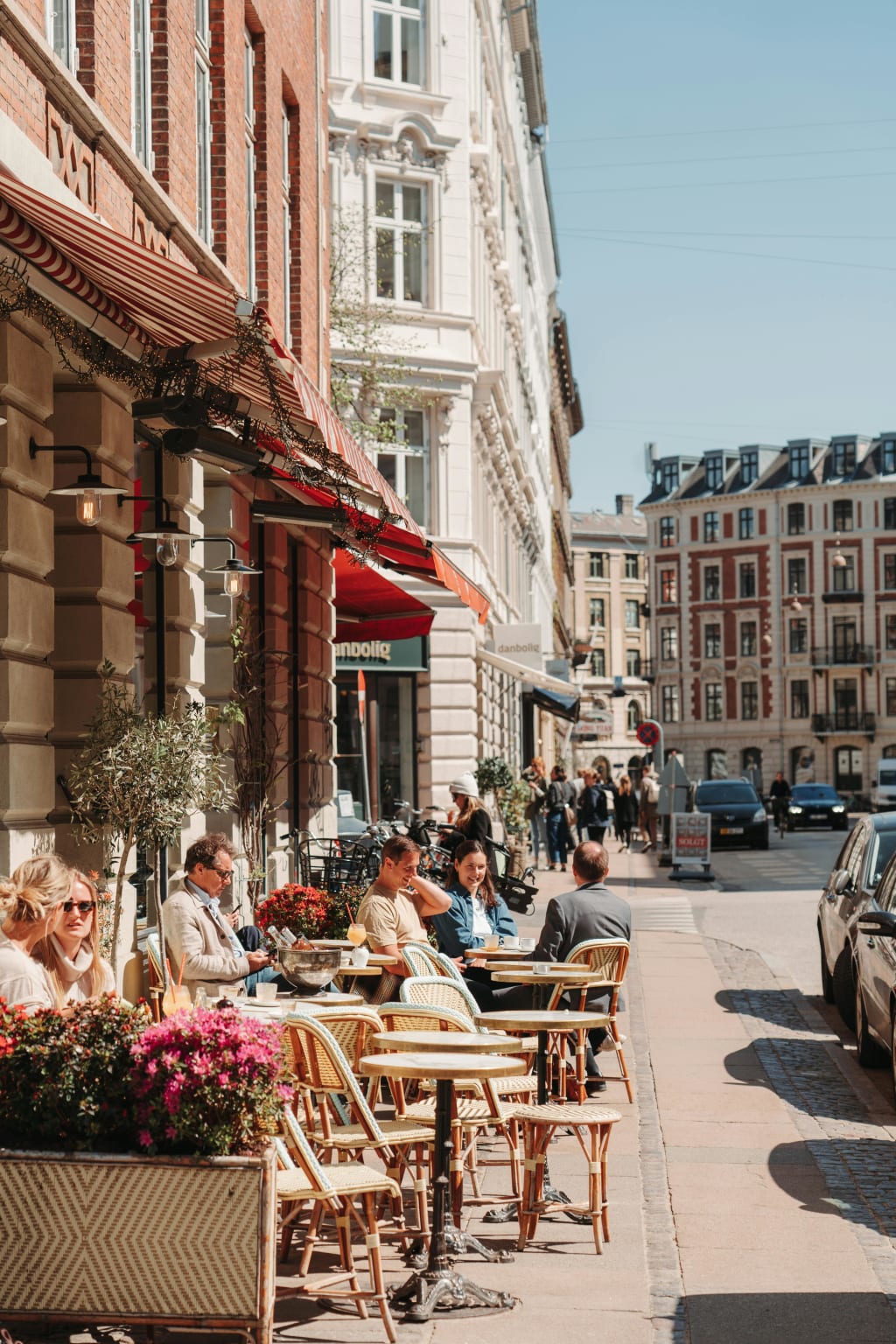
In a world that never stops buzzing, scrolling, and rushing, there’s a quiet revolution happening—and it’s coming from the north. Scandinavia, often admired for its clean design, stunning landscapes, and enviable quality of life, is now inspiring a lifestyle shift that the rest of Europe is starting to embrace: slow living.
This isn’t just a social media trend. It’s a movement grounded in mindfulness, sustainability, and well-being. As burnout rises and digital fatigue spreads, more and more Europeans are choosing to live with less stress and more presence.
Let’s explore why Sweden, Denmark, and Norway are leading this gentle revolution—and why the rest of Europe is following their lead.
🧘♀️ What Is Slow Living, Really?
Slow living is about making intentional choices that bring peace instead of pressure. It means living in a way that values quality over quantity, presence over productivity, and simplicity over clutter.
Think long walks instead of rushed commutes. Home-cooked meals instead of fast food. Cosy evenings with a book instead of mindless scrolling.
It’s not about doing less—it’s about doing what matters more mindfully.
🇸🇪 Sweden’s “Lagom” Lifestyle
The Swedish philosophy of “lagom” roughly translates to “not too much, not too little—just right.” It’s a concept that encourages balance in every area of life, from work to relationships to consumption.
In Sweden, you’ll find people embracing shorter work hours, generous parental leave, and time outdoors as part of daily life. Workplaces often close earlier to promote personal time. Even public spaces—from parks to cafés—are designed to invite rest, not rush.
Swedes don’t just decorate their homes with minimalism in mind—they design them to feel calm and livable. Natural light, soft tones, and uncluttered layouts are not just aesthetic choices; they’re lifestyle statements.
🇩🇰 Denmark and the Art of “Hygge”
If lagom is about balance, then hygge is about cosiness and comfort. This Danish concept, pronounced “hoo-gah,” is all about embracing simple pleasures—like candles, hot drinks, fuzzy socks, and meaningful time with loved ones.
Danes take hygge seriously, especially during the long winters. But it’s not just about warm things—it’s about creating spaces and moments that feel good. A slow-cooked stew, a night of board games, or even a walk in the rain can be hygge, if it’s done with intention and joy.
In Denmark, hygge isn’t a luxury—it’s a way of life that helps people stay connected, content, and calm.
🇳🇴 Norway: Nature as a Daily Ritual
Norwegians have a saying: “There’s no bad weather, only bad clothing.” It reflects their deep-rooted connection to nature. Whether it’s walking, skiing, or simply sitting in the woods, Norwegians make outdoor time a daily habit—even in cold, wet, or dark conditions.
This strong bond with nature is a key element of slow living. It encourages people to slow down, breathe fresh air, and reconnect with the world around them.
In Norway, it’s common to see people taking short hikes after work or enjoying a quiet moment by the fjord. Nature is not seen as a weekend activity—it’s part of the rhythm of everyday life.
🌍 The Spread of Slow Living Across Europe
It’s not just the Nordics. More people across France, Germany, the UK, the Netherlands, and Southern Europe are turning toward a slower, more mindful lifestyle.
Why now?
The pandemic forced people to slow down—and many realised they liked it.
Remote work has given people more flexibility and freedom.
Digital burnout is real, and people are seeking offline joy.
There’s a growing interest in minimalism, sustainability, and wellness.
From Paris to Prague, people are leaving behind the race for more stuff and status. Instead, they’re decorating their homes with intention, practicing mindfulness, buying less but better, and learning to pause without guilt.
How You Can Start Living Slower—Wherever You Are
You don’t need to move to Sweden or live in a forest cabin to enjoy the benefits of slow living. Here are a few simple ways to bring this peaceful lifestyle into your own space:
Create a calming corner in your home with soft lighting, a plant, and a favourite chair.
Unplug regularly—especially during meals and mornings. Try a “no-phone hour.”
Cook with intention, even if it’s just once a week. Choose a recipe you love and savour the process.
Embrace simple rituals, like lighting a candle in the evening or journaling before bed.
Say no more often. Prioritise rest, not over-scheduling.
Buy less, choose well. Invest in things that are meaningful, not just trendy.
Remember, slow living doesn’t mean being lazy. It means being deliberate, finding joy in the ordinary, and honouring your own rhythm.
Final Thoughts
Scandinavia has shown the rest of Europe—and the world—that life doesn’t have to be fast to be fulfilling. Whether it’s Sweden’s balance, Denmark’s cosiness, or Norway’s natural pace, slow living offers a powerful alternative to burnout culture.
As Europeans increasingly seek peace over pressure, slow living is no longer a niche idea. It’s a growing movement, a way to reclaim time, space, and joy in a noisy world.
So wherever you are—whether in a bustling city or a quiet village—maybe it’s time to slow down. Light a candle. Take a deep breath. Savour your tea. You’re not falling behind.
You’re finally catching up—with yourself.
About the Creator
Keep reading
More stories from Kaitesi Abigail and writers in Humans and other communities.
From Wi-Fi to Wildflowers: Europe’s Big Move to Tiny Villages.
There was a time when everyone dreamed of the city. The glittering lights of Paris, the chaos of Rome, the moody coffee shops of Berlin—urban life was the goal. But fast forward to now, and something strange is happening: people are ditching their overpriced shoebox apartments, their noise-canceling headphones, and even their beloved Uber Eats in exchange for… goats, mud, and that one local man who still uses a Nokia 3310.
By Kaitesi Abigail6 months ago in Humans
The One Daily Habit You Ignore That Controls Your Energy All Day.
We all crave more energy. We yearn for that feeling of boundless vitality, the ability to power through our to-do lists, engage fully with our loved ones, and still have something left in the tank at the end of the day. We chase quick fixes: caffeine jolts, sugary snacks, the occasional "miracle" supplement. But what if I told you the secret to sustained, all-day energy wasn’t a product you could buy, but a simple, often-overlooked daily habit?
By Wilson Igbasiabout 9 hours ago in Humans


Comments
There are no comments for this story
Be the first to respond and start the conversation.