
The Rise Of 40ft Container Homes
In Sustainable Living

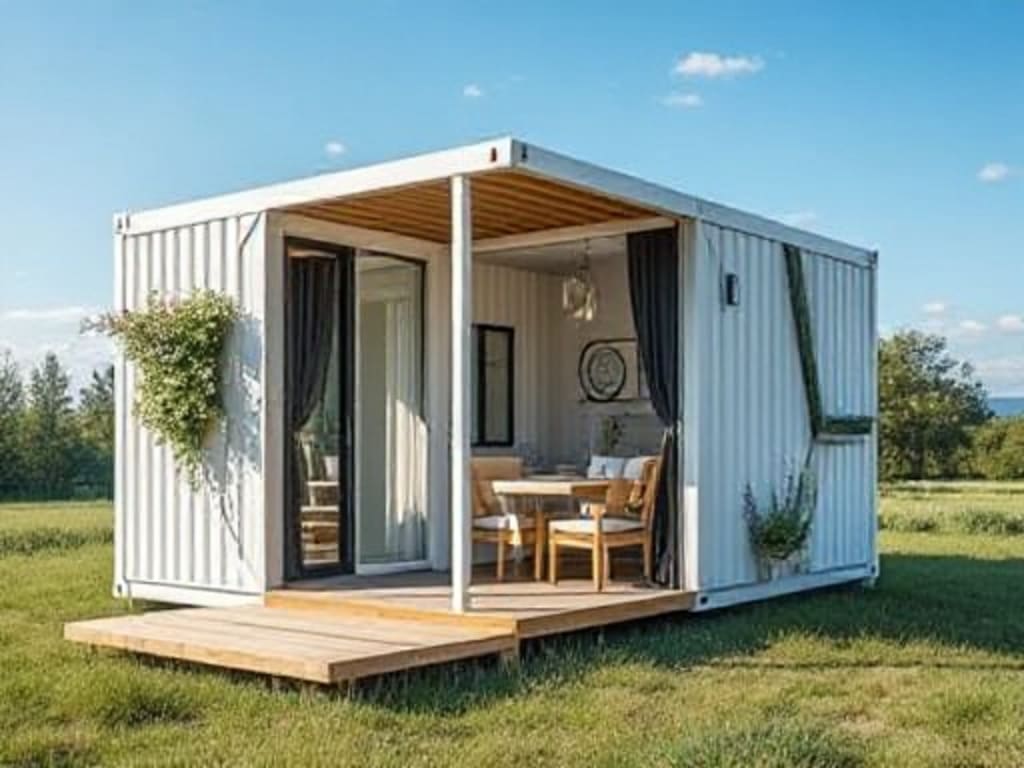
Introduction to Container Homes
Container homes are innovative living spaces constructed from repurposed shipping containers. These modular structures have gained traction for their versatility and eco-friendliness. As the world seeks sustainable alternatives in housing, container homes offer a unique solution.
The growing popularity of container homes in sustainable living is driven by their affordability and efficient use of resources. They can be designed to minimize environmental impact while providing comfortable living conditions. As more people embrace minimalism and eco-conscious choices, container homes stand out as a viable option for modern living.
The Appeal of 40ft Container Homes
As sustainable living gains momentum, the preference for 40ft container homes is becoming increasingly apparent. These larger containers offer a multitude of advantages that make them ideal for modern living.
One of the primary reasons people choose 40ft containers is their spaciousness. With ample square footage, they provide more room for customization and comfort. This size allows homeowners to create open living areas, multiple rooms, and functional layouts that cater to their lifestyle needs.
"The 40ft container strikes the perfect balance between space and sustainability, making it a top choice for eco-conscious homeowners."
Additionally, larger containers facilitate better design opportunities. They allow for innovative features such as larger windows, sliding doors, and even multi-level designs. This flexibility ensures that the living space is not only functional but also aesthetically pleasing.
Moreover, using a 40ft container can lead to cost savings in the long run. With more space, homeowners may require fewer containers for their projects, which can reduce transportation and construction costs. This efficiency makes 40ft containers a smart investment for those looking to build sustainable homes.
In conclusion, the appeal of 40ft container homes lies in their spaciousness, design potential, and cost-effectiveness. As more individuals seek sustainable living solutions, these containers continue to rise in popularity.
Sustainability of Container Homes
Container homes are revolutionizing the concept of sustainable living. They offer significant environmental benefits that align perfectly with the increasing demand for eco-friendly housing solutions.
One of the most notable advantages is the reduction in waste. According to the U.S. Environmental Protection Agency, around 600 million tons of construction and demolition debris are generated each year. By repurposing shipping containers, we can divert these materials from landfills, significantly decreasing waste.
Additionally, container homes contribute to a smaller carbon footprint. Traditional construction methods often involve extensive resource use and energy consumption. In contrast, the use of pre-existing containers minimizes the need for new materials, thereby reducing emissions associated with production and transportation. In fact, studies show that building with containers can cut carbon emissions by up to 70% compared to conventional homes.
Moreover, these homes can be designed to be energy-efficient. Many container homes incorporate solar panels, rainwater harvesting systems, and high-quality insulation. These features not only lower energy costs but also promote a sustainable lifestyle.
In summary, the sustainability of container homes is evident through their ability to reduce waste and lower carbon footprints. As we move towards a greener future, these innovative structures are paving the way for more sustainable living options.
Modern Design Features
The rise of 40ft container homes has not only transformed sustainable living but also brought forth an exciting wave of modern design features. These homes are increasingly becoming a canvas for innovative design trends and luxurious customization options.
Innovative Design Trends
Today’s container homes are characterized by their sleek, minimalist aesthetics. Architects and designers are pushing the boundaries of creativity, integrating large windows and open floor plans to create bright, airy spaces. The use of eco-friendly materials, such as reclaimed wood and sustainable finishes, is also on the rise.
Another notable trend is the incorporation of modular designs. This allows homeowners to expand their living space easily, adapting to their needs over time. The flexibility of container homes makes them ideal for both urban and rural settings, blending seamlessly into various environments.
Customization Options for Luxury Living
Customization has become a key aspect of modern container homes. Homeowners can tailor their spaces to reflect their personal style and preferences. From gourmet kitchens to spa-like bathrooms, the luxury options are virtually limitless.
Many builders now offer high-end finishes, smart home technology, and energy-efficient appliances as standard features. This ensures that even with a compact living space, residents do not have to compromise on comfort and convenience.
"Container homes are not just about sustainability; they're about embracing a lifestyle of luxury and style without sacrificing the environment."
In conclusion, modern design features in 40ft container homes blend innovation and luxury seamlessly. As more people recognize the potential of these unique structures, the future of sustainable living continues to evolve.
Cost-Effectiveness of Container Homes
When considering sustainable living, the cost-effectiveness of container homes stands out as a compelling advantage. These unique structures not only offer a modern aesthetic but also present significant financial benefits when compared to traditional homes.
To illustrate this, let’s take a closer look at the cost comparison between container homes and traditional houses. While the initial investment in container homes may seem substantial, the overall costs often reveal a different story.
Category
Container Homes
Traditional Homes
Average Cost per Square Foot
$100 - $200
$150 - $300
Construction Time
2 - 3 months
6 - 12 months
Utility Costs
Lower due to energy efficiency
Higher
Maintenance Costs
Generally lower
Variable
This table highlights that container homes can be cheaper to build per square foot and require less time to construct. Additionally, their energy-efficient designs contribute to reduced utility costs over time. With sustainability at the forefront, many container homes are equipped with insulation and solar technology, further enhancing their cost-effectiveness.
In the long term, the financial benefits of container homes become even more evident. The lower maintenance and utility costs can lead to significant savings over the years. Moreover, as the demand for sustainable living options grows, container homes may also appreciate in value, making them a wise investment.
In summary, the cost-effectiveness of 40ft container homes is a major reason for their rising popularity. They provide an affordable and sustainable alternative to traditional housing, offering both immediate savings and long-term financial advantages.
Construction Process of Container Homes
The construction process of container homes is both straightforward and efficient, making them an attractive option for sustainable living. Understanding the steps involved can help potential homeowners appreciate the ease of building these unique structures. Here’s a clear breakdown of the process:
Planning and Design: Before construction begins, detailed planning is essential. This includes selecting the right container size, determining the layout, and obtaining necessary permits.
Site Preparation: The building site needs to be prepared. This may involve leveling the ground and ensuring proper drainage to support the container’s foundation.
Container Modification: Once the site is ready, the containers are delivered. Modifications such as cutting windows, doors, and installing insulation can take place at this stage.
Foundation Installation: A strong foundation is crucial for stability. This could be a concrete slab or piers, depending on the design and location.
Assembly: The containers are placed on the foundation and connected as per the design. This is where the vision starts to take shape.
Interior Finishing: After assembly, interior work begins. This includes plumbing, electrical wiring, and finishing touches like paint and flooring.
Inspections and Final Touches: Finally, inspections ensure that everything is up to code. Once approved, the final touches are added, and the home is ready for occupancy.
In terms of timeframe, container homes can be built relatively quickly. On average, the entire process can take between 2 to 4 months, depending on factors such as design complexity and weather conditions. This swift construction timeline is one of the many advantages that attract people to container living.
Overall, the construction process of container homes emphasizes efficiency, sustainability, and innovation. With a clear understanding of the steps involved and realistic timeframe considerations, potential homeowners can embark on their container home journey with confidence.
Real-World Examples
To fully appreciate the potential of 40ft container homes, it’s essential to look at real-world examples. Numerous successful container homes demonstrate not only the viability of this living solution but also its innovative applications around the globe.
One notable case study is the Container Park in Las Vegas, Nevada. This vibrant space showcases multiple 40ft containers transformed into retail shops, restaurants, and community spaces. It serves as a prime example of how container architecture can breathe life into urban areas.
Another impressive project is the Eco Container Home in New Zealand. This eco-friendly residence utilizes sustainable materials and energy-efficient designs. It highlights how container homes can be both stylish and environmentally conscious.
Additionally, the Container House in Mexico blends traditional design with modern container architecture. This home features artistic designs and local materials, showcasing how container homes can reflect cultural aesthetics.
Beyond residential uses, container homes have found innovative applications worldwide. Here are some notable examples:
Emergency Shelters: After natural disasters, shipping containers are repurposed into temporary housing for displaced families.
Community Centers: In urban areas, containers serve as multipurpose community hubs, offering workshops and services.
Offices: Companies have embraced container homes as unique office spaces, promoting a modern work environment.
Art Installations: Artists use containers to create immersive art exhibits, pushing the boundaries of creativity.
These examples illustrate the adaptability and appeal of 40ft container homes. As they continue to grow in popularity, it’s clear that the potential for innovative uses is limitless, paving the way for a more sustainable future.
Frequently Asked Questions
As 40ft container homes gain traction in sustainable living, many potential homeowners have questions. Here are some common concerns, along with expert answers to help clarify.
Q: Are container homes safe and durable?
A: Yes, container homes are built from strong steel, making them highly durable. Proper insulation and modifications ensure they withstand various weather conditions.
Q: How do I insulate a container home?
A: Insulation can be achieved using spray foam, rigid foam boards, or traditional insulation materials. It’s crucial to insulate properly to maintain comfort and energy efficiency.
Q: Can I customize the design of my container home?
A: Absolutely! Container homes offer extensive customization options. You can choose layouts, finishes, and even integrate eco-friendly technologies.
Q: What about plumbing and electrical systems?
A: Plumbing and electrical systems can be installed just like in traditional homes. It’s essential to work with professionals experienced in container construction for best results.
Q: Are there zoning regulations for container homes?
A: Yes, regulations vary by location. It’s important to check with local authorities regarding zoning laws and building permits before starting your container home project.
Q: How energy-efficient are container homes?
A: When designed properly, container homes can be highly energy-efficient. Utilizing solar panels, energy-efficient appliances, and proper insulation contributes to lower energy costs.
Addressing these questions can help demystify the container home experience. As interest continues to rise, being informed empowers potential homeowners to make confident decisions.
Conclusion
In summary, the rise of 40ft container homes signifies a shift towards sustainable living. Their growing popularity stems from their spaciousness, environmental benefits, and innovative design options. As more people seek affordable and eco-friendly housing solutions, container homes offer a compelling alternative to traditional construction.
Looking ahead, the future of container homes appears bright. With advancements in technology and design, these structures will likely evolve further, catering to diverse lifestyles while minimizing environmental impact. As communities embrace this trend, we can expect container homes to play a crucial role in shaping sustainable urban living.
This article contains affiliate links, if you make a purchase I may make a commission.
About the Creator
Karl Jackson
My name is Karl Jackson and I am a marketing professional. In my free time, I enjoy spending time doing something creative and fulfilling. I particularly enjoy painting and find it to be a great way to de-stress and express myself.
Keep reading
More stories from Karl Jackson and writers in Humans and other communities.
Waist Rod Holder Fishing Belt
Introduction 🌊🐠 If you’ve ever spent hours surf casting along the shoreline, you know the drill: your hands cramp, your shoulders ache, and you start wishing you had an extra set of arms just to hold your rod steady. Fishing is supposed to be about patience and enjoyment, not battling fatigue before the big catch even happens. That’s where the Waist Rod Holder Fishing Pole Holding Belt comes in. Designed as an outdoor lure fishing tool, this simple yet ingenious accessory keeps your rod secure, frees up your hands, and saves your energy for the fight that matters—the one with the fish on your line.
By Karl Jackson7 months ago in Humans
Why Didn't Anyone Tell Us
Men, move along. This is not for you. This is for the women. I was forty-five when I began menopause. It is pretty young for that to be going on in a woman’s life, but I had undiagnosed PCOS, my entire life. Thank you to all the gynecologists I had seen my entire life. That in itself should encourage women to keep seeking second opinions, especially when you are not getting correct answers or any at all.
By Alexandra Granta day ago in Humans
Is It Love, Attachment, or Emotional Dependency? Understanding the Difference
Is It Love, Attachment, or Emotional Dependency? Understanding the Difference Many people say “I love you” — but sometimes what they feel isn’t actually love. It might be attachment. It might be emotional dependency. Or it might be a mixture of all three.
By The Story Scribeabout 15 hours ago in Humans




Comments
There are no comments for this story
Be the first to respond and start the conversation.