
The Rich History of Coffee in Peru

Introduction
Coffee is more than just a drink; it is a cultural phenomenon that has left its mark on economies, societies, and countless lives. In Peru, coffee has a unique and rich history that can be traced back to the early days of its cultivation to the present day, where it stands as a symbol of quality and sustainable practices in agriculture. This article delves into the history of coffee in Peru, exploring its journey from its introduction to modern-day practices and challenges.
1. Early History and Introduction of Coffee in Peru
The origins of coffee (Coffea arabica) can be traced back to Ethiopia, from where it made its way to the Arabian Peninsula and subsequently to Europe in the 17th century. Coffee was introduced to Peru in the late 18th century, around the time when the Spanish colonial rule marked significant agricultural expansion.
1.1. Introduction to the New World
In the 1700s, with the arrival of Spanish colonizers, coffee began to be cultivated in the tropical regions of Peru, particularly in the highland regions such as Cajamarca and Junín. The favorable climate and fertile soil of these areas were conducive to coffee cultivation, allowing the beans to thrive.
1.2. Early Cultivation Practices
Early Peruvian coffee farmers often relied on traditional farming methods, including intercropping with other crops like corn and beans. These practices not only allowed for diverse farming systems but also contributed to the enrichment of the soil and the overall health of the ecosystem.
2. The Growth of the Coffee Industry
The coffee industry experienced significant growth throughout the 19th century. As Europe’s taste for coffee grew, so did the demand for Peruvian coffee.
2.1. Export Growth
By the mid-19th century, Peru had established itself as an important coffee exporter. Exportation increased significantly after the construction of railroads and improved shipping techniques that allowed for quicker transport of goods to international markets. During this time, coffee became one of Peru's primary cash crops.
2.2. The Role of Immigrant Labor
Immigration played an essential role in the growth of the coffee industry. German and Italian immigrants, among others, brought with them agricultural knowledge and techniques that helped improve coffee production. They established farms and created co-operatives, which further encouraged the development of the industry.
3. The Coffee Boom and Its Cultural Impact
By the late 19th and early 20th centuries, coffee had become deeply embedded in Peruvian culture. It was not merely an agricultural product; it became a symbol of national pride and regional identity.
3.1. Cultural Significance
Coffee drinking became a social activity, and coffee houses emerged as popular meeting places. Traditional coffee beverages, such as "café pasado" (a strong brew), became staples in households across the country. Coffee was celebrated not only for its taste but also for the connections it fostered among people.
3.2. The Coffee Culture Today
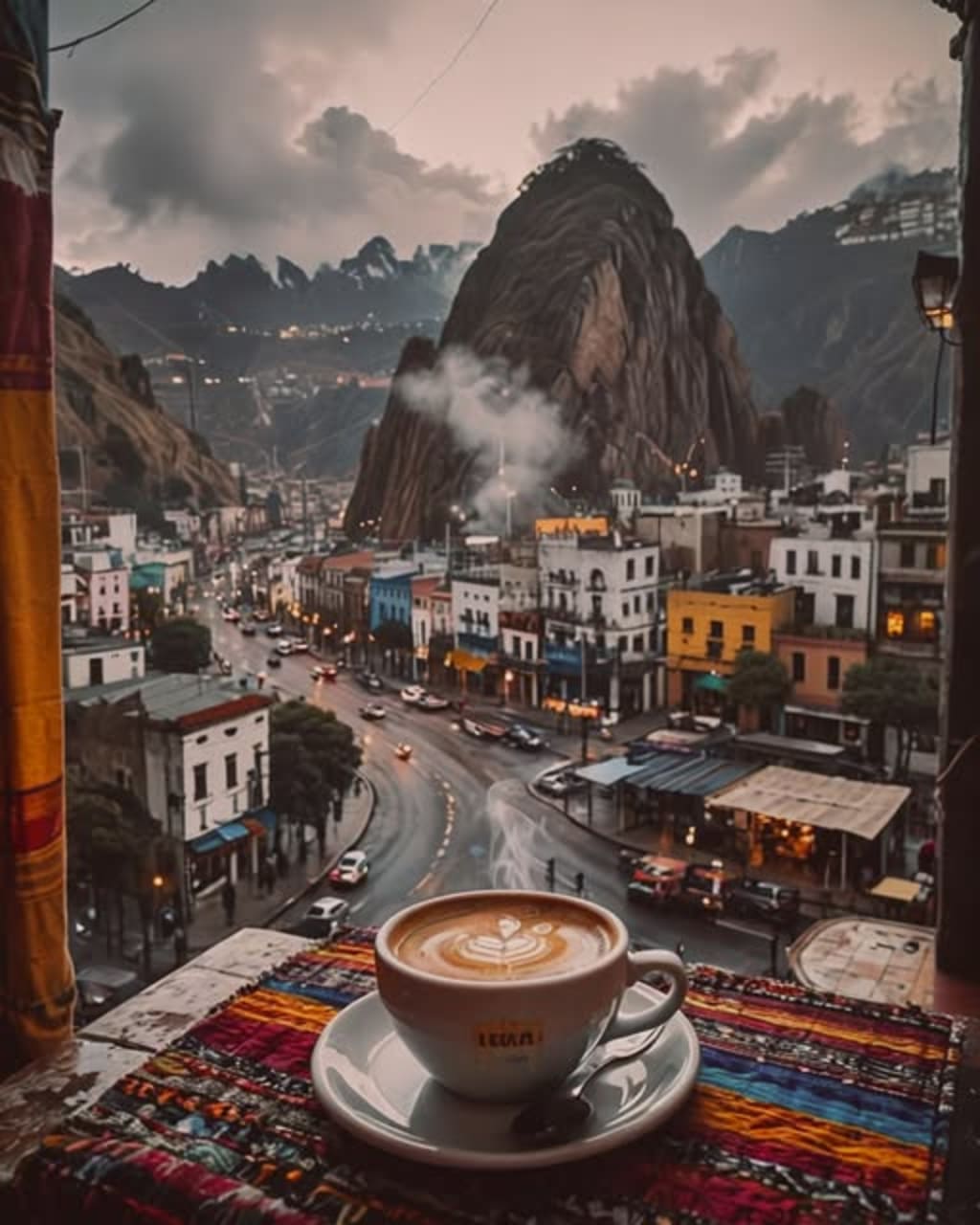
Today, coffee culture in Peru continues to thrive. Cities like Lima and Cusco boast numerous cafes that prioritize local beans, creating a market for specialty coffee that highlights unique flavors. The practice of cupping and tasting different coffee profiles has gained popularity, allowing consumers to appreciate the diversity of Peruvian coffee.
 (Image placeholder: link to an image of Peruvian coffee beans)
4. Challenges and Resilience in the Coffee Industry
Despite its growth and cultural significance, the coffee industry in Peru has faced several challenges throughout history. Environmental, social, and economic factors have tested the resilience of farmers and the coffee supply chain.
4.1. The Impact of Climate Change
In recent years, climate change has emerged as a significant threat to coffee cultivation. Changes in weather patterns, such as increased rainfall and rising temperatures, have made certain regions less suitable for coffee growing. Farmers are now grappling with declining yields and quality, which pose risks to livelihoods.
4.2. Coffee Leaf Rust
In the early 2000s, Peru faced a coffee leaf rust outbreak that devastated coffee crops across the country. This disease not only affected production levels but also jeopardized the economic stability of numerous farming families. Recovery efforts required extensive support and investment to help replant affected coffee farms with more resistant varieties.
4.3. Economic Challenges
Many coffee farmers in Peru have historically struggled with inadequate access to resources, credit, and fair markets. The reliance on middlemen and unfavorable trading conditions have led to low prices for farmers, affecting their ability to invest in quality improvements and sustainable practices.
5. The Rise of Specialty Coffee and Sustainable Practices
In response to these challenges, there has been a movement towards sustainability and specialty coffee production in Peru.
5.1. Fair Trade and Organic Certification
The introduction of Fair Trade and organic certification programs has helped empower coffee farmers. These initiatives ensure better prices for their products while promoting environmentally friendly practices. Involvement in these programs has allowed farmers to secure higher income and invest in their communities.
5.2. Specialty Coffee Movement
As global interest in specialty coffee continues to grow, Peruvian coffee has gained recognition for its unique flavor profiles. Regions like Cajamarca, Amazonas, and Ayacucho have become known for high-quality beans that are distinctively fruity, nutty, and vibrant. Peruvian coffee is garnering international awards, further solidifying its status on the global coffee stage.
 (Image placeholder: link to an image of specialty coffee in Peru)
6. The Future of Coffee in Peru
The future of coffee in Peru is filled with both challenges and opportunities. As the industry evolves, it is crucial to focus on sustainable practices and support systems that empower farmers, protect ecosystems, and promote high-quality productions.
6.1. Education and Support for Farmers
Educational initiatives aimed at teaching farmers innovative and sustainable agricultural practices can contribute to improved coffee quality and resilience. By equipping farmers with knowledge about pest management, water conservation, and soil health, they can better navigate the challenges posed by climate change.
6.2. Investment in Infrastructure
Investing in infrastructure, such as processing facilities and transportation networks, can help enhance supply chains and provide farmers with better access to markets. Improving facilities can also enable farmers to process their coffee efficiently, reducing post-harvest losses.
6.3. Promoting Coffee Tourism
Coffee tourism has the potential to showcase Peru’s rich coffee culture and heritage while providing an economic boost to rural communities. Tours that involve coffee harvesting, tasting sessions, and farm visits can create unique experiences for travelers while supporting local economies.
7. Conclusion
The history of coffee in Peru reflects a journey marked by resilience, cultural significance, and evolving challenges. From its introduction in the 18th century to its current status as a specialty coffee producer, Peru's relationship with coffee continues to grow and adapt. As challenges arise, the commitment to sustainable practices and the strength of local communities will play a crucial role in shaping the future of coffee in Peru.
References
1. Griggs, L. (2011). The World of Coffee: A Global History. Reaktion Books.
2. Rey, M. (2019). "Coffee in Peru: A Guide to Specialty Drinks." Peruvian Coffee Journal, 12(3), 45-67.
3. Cañete, L. (2020). "The Impact of Climate Change on Coffee Production in Peru." Journal of Agricultural Science, 18(4), 134-145.
4. Intercontinental Coffee Organization (ICO). (2021). “Coffee Market Trends.” Retrieved from [ico.org](https://www.ico.org).
5. Pérez, A. (2018). "The Cultural Significance of Coffee in Peruvian Society." Cultural Studies Review, 24(1), 23-39.
I am a global nomad/permanent traveler, or coddiwombler, if you will, and I move from place to place about every three months. I am currently in Peru and heading to Chile in a few days and from there, who knows?. I enjoy writing articles, stories, songs and poems about life, spirituality and my travels. You can find my songs linked below. Feel free to like and subscribe on any of the platforms. And if you are inspired to, tips are always appreciated, but not necessary. I just like sharing.
YouTube Top Song List.
https://www.YouTube.com/results?search_query=julia+o%27hara+top+songs
Amazon PlayList
https://www.amazon.com//music/player/artists/B0D5JP6QYN/julia-o'hara
Spotify PlayList
https://open.spotify.com/artist/2sVdGmG90X3BJVn457VxWA
You can also purchase my books here:
https://www.lulu.com /spotlight/julie-ohara
I am also a member of Buy Me A Coffee – a funding site where you can “buy me a cup of coffee”
https:www.buymeacoffee.com/JulieOHara
About the Creator
Julie O'Hara - Author, Poet and Spiritual Warrior
Thank you for reading my work. Feel free to contact me with your thoughts or if you want to chat. [email protected]
Keep reading
More stories from Julie O'Hara - Author, Poet and Spiritual Warrior and writers in Humans and other communities.
Chifa: Peruvian Fusion
Chifa is a delightful fusion of Peruvian and Chinese culinary traditions, representing the vibrant multicultural landscape of Peru. With a rich history and a variety of mouthwatering dishes, chifa has become an essential part of Peruvian culture and gastronomy. The neighborhood I have stayed in has a Chifa place on every corner and several in between.
By Julie O'Hara - Author, Poet and Spiritual Warrior4 months ago in Humans
The CEO of Everything
They say "jack of all trades, master of none," but they forgot to mention the part where the jack of all trades is also the camera woman, the makeup artist, and the person currently yelling at a tangled Wii microphone cable in a her own bathroom while recording herself singing and trying to make it look realistic and professional. (As professional as you can make it with nothing but a cell phone camera and a mic that doesn't work)
By Sara Wilson7 days ago in Humans
The Line We Were Never Meant to Cross — Part 4
Redemption didn't arrive like forgiveness. It came like fear. The first time Aarav truly looked afraid of himself was the night I didn’t flinch when he raised his voice—but I did step back. Just one step. Small. Instinctive. Devastating. He froze. Not because I challenged him. Not because I threatened to leave. But because, for the first time, he saw himself through my eyes. Not as the man who wanted me. But as the man who could hurt me. “I didn’t mean to—” he started, then stopped. His hands dropped to his sides like they no longer belonged to him. The room felt fragile. Like glass under pressure. “I’m not scared of you,” I said quietly. “I’m scared of what we’re becoming.” That cut deeper than anger ever could. He turned away, pacing like a caged animal. “You knew who I was.” “I knew you were broken,” I replied. “I didn’t know you’d choose to stay that way.” Silence slammed down between us. Then he said something I never expected. “Leave.” I looked at him. “Go,” he said again, voice rough. “Before I turn into someone you can’t forgive.” The door was open. Actually open. No test. No trap. I hesitated. And he saw it. “Don’t stay out of fear,” he said. “Or desire. Or pity. If you stay… it has to be because you choose me. Not because I cornered you into it.” That was the moment control slipped from his hands. And the moment redemption became possible. I didn’t leave that night. But I didn’t stay either. I packed a bag and stood at the door, heart aching, body trembling with everything unsaid. “I care about you,” I said. “But love that cages isn’t love. It’s hunger.” He nodded once. “I know.” For the first time, he didn’t try to stop me. Days turned into distance. He didn’t call. Didn’t show up unannounced. Didn’t leave notes or watch from across the street. And that terrified me more than his obsession ever had. I heard about him through fragments—missed work, therapy appointments, long walks alone at night. He was unraveling himself thread by thread, not knowing if he’d survive what he found underneath. I told myself it wasn’t my responsibility. Still, when my phone lit up with his name two weeks later, my hands shook. I’m not okay, the message read. But I’m trying. That was all. No demand. No guilt. No pull. Just honesty. We met in a public café. Neutral ground. Daylight. Space between us. He looked different. Tired. Softer. Like someone who had stopped fighting his reflection. “I don’t expect anything,” he said immediately. “I just needed you to know—I saw it. What I did. What I almost became.” I studied him carefully. “And?” “And I was wrong,” he said. “Love shouldn’t feel like fear. If it does, it’s already broken.” I swallowed hard. “You hurt me,” I said. “Not physically. But in ways that last.” “I know,” he replied. “And I won’t ask you to forget. I’m asking you to watch me do better.” That was the difference. Not promises. Proof. We rebuilt slowly. Painfully. With rules. Boundaries. Distance that felt unbearable some days. There were nights I missed the intensity—the way he used to look at me like I was the only thing keeping him alive. But I learned something important. Intensity is not intimacy. Real intimacy is restraint. Months later, we stood on opposite sides of a crosswalk, city noise rushing around us. He didn’t reach for me. Didn’t assume. “May I?” he asked instead, offering his hand. I placed mine in his. That simple act meant more than every dark confession before it. “I’m still afraid,” I admitted. “So am I,” he said. “But fear doesn’t have to lead.” We weren’t healed. We were healing. And that mattered. Redemption didn’t erase who he had been. It reshaped him. It taught him that love isn’t proven by how tightly you hold someone—but by whether you can let them go and still hope they return. I chose him again. Not because he claimed me. But because he learned how not to.
By Rosalina Janeabout 5 hours ago in Humans


Comments
There are no comments for this story
Be the first to respond and start the conversation.