
The Quiet Strength of a Son: Caring for Ammi
A journey of love, sacrifice, and holding on to yourself while caring for the one who raised you. By Ataaullah
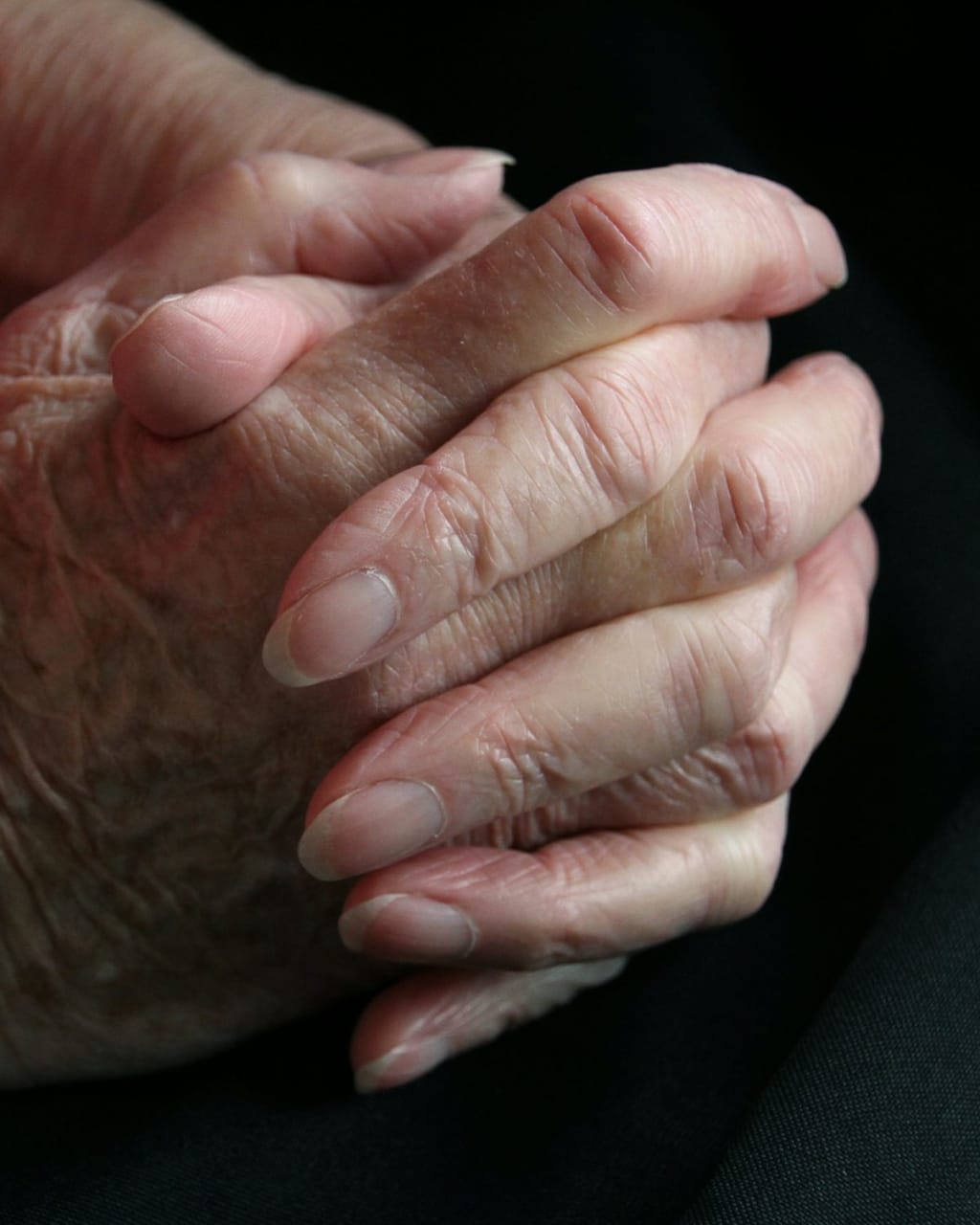
Let me tell you a story—not one of fairy tales or heroic battles, but of something far quieter, far heavier, and far more real.
This is the story of caring for my Ammi.
Not after she passed. But while she lived—slowly changing, slowly needing more. It’s a story of love that doesn’t always look like love. A story of one son, trying to hold onto his mother, his life, and himself—all at once.
And if you’re reading this, you may be walking this same road.
---
Part 1: The Shift You Don’t Notice Until It’s Complete
It starts with something small.
A missed step. A forgotten word. A little extra fatigue. You notice it, but you brush it off. “She’s just tired,” you say. “She’s getting older, that’s all.”
But then the tiredness becomes weakness. The forgetfulness becomes confusion. And before you know it, you’re not just helping her—you’re caring for her.
Bathing her. Feeding her. Reminding her of names and dates. Holding her hand while she sleeps. Crying quietly when she doesn’t recognize a neighbor she once loved like family.
No one tells you when the shift happens. But one day, you realize:
You’re not just a son anymore.
You’re a caregiver.
---
Part 2: The Grief of the Living
There’s a kind of grief that’s hard to name.
It’s not the grief of losing someone to death. It’s the grief of watching them fade while they’re still alive.
Her smile is the same, but her strength is gone. Her voice is familiar, but her stories don’t make sense anymore. Sometimes she looks at you like you’re a stranger.
You grieve not just for what you’re losing—but for what she’s losing too.
You want to scream. But instead, you smile. You make tea. You put on her favorite prayer recitation and hope she remembers the words.
Sometimes she does.
---
Part 3: The Things People Don’t See
People say things like, “You’re a good son,” or “Mashallah, you’re doing so much for her.”
But they don’t see the full picture.
They don’t see the sleepless nights, the guilt when you get frustrated, the fear of not doing enough. They don’t see you skipping meals, missing work, or hiding your tears because “men don’t cry.”
They don’t see you praying in whispers—not just for her healing, but for your own strength.
They don’t see that caregiving is not just a duty.
It’s an emotional war zone.
And yet—you keep going.
---
Part 4: Loving and Losing Yourself
Some days, I felt like I was disappearing.
Not because I didn’t love Ammi—but because I stopped remembering who I was outside of being her son and caregiver.
No hobbies. No time. No space to think about dreams or goals or joy.
Just routines. Medications. Doctor visits. Silence.
Until one day I realized:
I need something that’s mine.
A walk. A notebook. A few minutes of Quran recitation for me, not just her. A breath.
Not to escape her—but to remain myself while loving her.
---
Part 5: Forgiveness is a Daily Practice
I made mistakes.
I lost my patience. I raised my voice. I cried in anger. I forgot her favorite foods. I failed to smile sometimes when she needed it most.
And every night, guilt came like a shadow.
But then I learned: Forgiveness must be daily.
Not just for her.
But for me.
No one can do this perfectly. There’s no guidebook for loving someone through illness and decline.
There’s just love. And effort. And forgiveness.
Again and again.
---
Part 6: When It Ends, A New Grief Begins
Eventually, things changed.
Ammi had to be taken into medical care. I visit her now, but it’s different. The weight of caregiving is lighter—but the weight in my heart is heavier.
I miss her voice calling my name from the other room. I miss making her tea just the way she liked. I miss her small requests, her quiet prayers, her soft laughter.
Sometimes, I even miss the stress—because at least then, I was with her.
When it ends, you feel hollow. Lost. Free and broken at the same time.
And that’s okay.
---
Part 7: What I’d Tell You, My Fellow Caregiver
If you’re on this path, caring for someone you love—please hear me:
You’re not alone.
You’re allowed to be tired.
You’re allowed to feel sad and still love deeply.
You’re allowed to ask for help.
You’re allowed to take care of yourself, too.
Caregiving is not weakness.
It is love in its strongest form.
It is the quiet, daily sacrifice most will never see.
But Allah sees.
And you will be rewarded.
---
Final Words
I wrote this not to tell you how to do it better. I don’t have the answers.
I wrote this to say: I see you. I was you. And maybe, in some ways, I still am.
Caring for Ammi changed me. It broke parts of me. It built others. And it taught me this:
Love doesn’t mean losing yourself.
Love means showing up—with what you have, as you are—again and again.
And if all you did today was love someone, even in your exhaustion—
Then you did enough.
About the Creator
How Singles Solve Communication Problems During Early Stages Of Dating
One of the issues that are common during the initial stages of dating is that that is coupled by nervousness, uncertainty, or misaligned expectations. Single persons can find it hard to express themselves, to ask questions, or know what their partner wants, which results in misunderstanding.
By Mark Hipsterabout 19 hours ago in Humans




Comments
There are no comments for this story
Be the first to respond and start the conversation.