
The Quiet Choreography of Loneliness: Finding Solace in the City That Never Sleeps
Exploring the Hidden Ways City Dwellers Cope with Isolation in Crowded Spaces
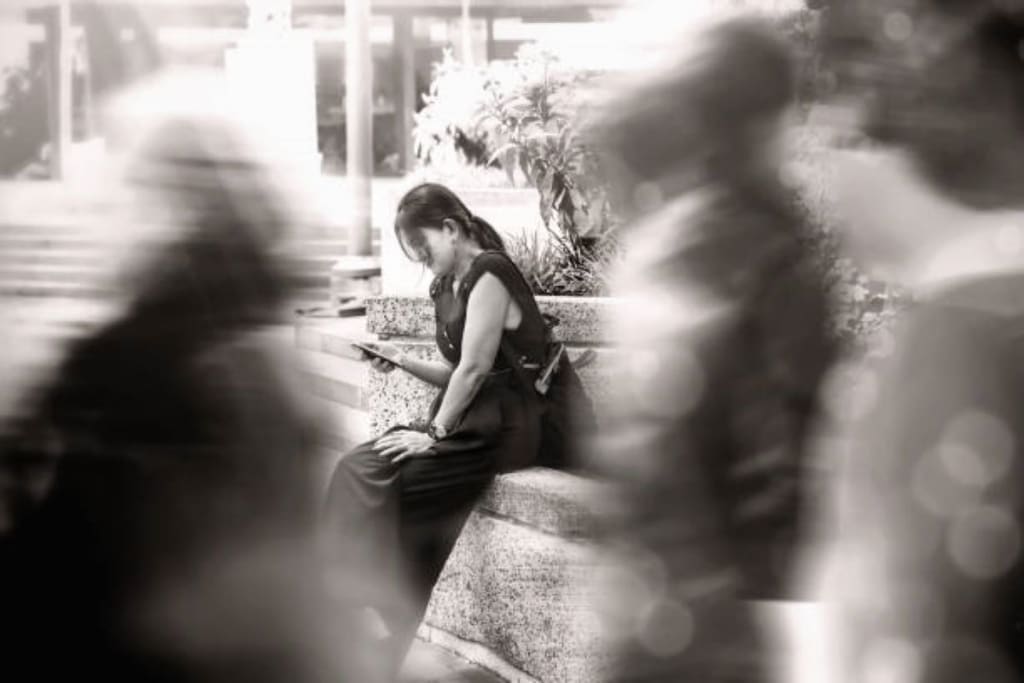
Cities are painted as landscapes of connection, where millions upon millions stack over and alongside one another in thin walls or on bursting subway cars. In the midst of such surroundings, urban life for so many is an acute sensation of loneliness. Amidst all this noise and chaos, there exists almost a silent, secret ceremony shared among the myriad denizens who make their ways in isolation with their feelings so uniquely human.
The Paradox of Urban Proximity
Loneliness thrives in the world's most densely packed cities. This is, of course, the better-documented irony: urban dwellers are more likely than others to experience social isolation. The UK's Mental Health Foundation estimated a year ago that one in four adults feel lonely some or all of the time-a statistic compounded by fast-paced urban lifestyles, transient populations, and transactional urban interactions.
But why is loneliness felt more in a city than in a remote village? An urban space is designed for efficiency, not intimacy. A relationship becomes secondary to work and commutes and survival. People hustle from one task to another, hardly ever stopping to connect with the strangers that surround them. Even in social spaces, coffee shops, or bustling bars sheer volume of human activity can be overwhelming reminder of how easily one might become lost in the crowd.
The Unspoken Rituals of the Lonely
Despite this, loneliness in the city is not about vacuity but about accommodation. The urbanite has learned silent rituals that get them past their own loneliness. These rituals seem ordinary; for those performing them, however, they mean a great deal.
1. The "Regular Spot" Routine
Many city dwellers find solace in visiting the same coffee shop, deli, or park bench. These familiar spaces offer a semblance of community, even when interactions are minimal. The barista who remembers your order, the dog walker who nods in passing—these tiny moments of recognition can feel like lifelines. Psychologists describe this as a form of "weak-tie connection," where brief encounters with acquaintances provide emotional grounding without the demands of deeper relationships.
2. Walking Without Destination
Another quiet ritual of the lonely is wandering with no great purpose. In cities, this can mean pacing through crowded streets, soaking in the energy of strangers, or seeking out quieter, hidden corners. According to sociologist Rebecca Solnit, who wrote Wanderlust: A History of Walking, one can walk to process their emotions and reconnect with themselves. These walks become a meditative escape for the lonely urbanite, a way to feel present while remaining anonymous.
3. Talking to the Void
It's quite a common thing in big cities, anyway-to watch townies muttering, making prolonged captions online, or debating with dogs and even lamps. Such behaviors are probably unorthodox, but yet essentially human. According to psychologists, self-talk listening to or voicing one's thoughts helps the psyche battle feelings of loneliness, offering the illusion of a conversation when there might be no one.
Technology: A Two-Way Street
Modern technology has both alleviated and exacerbated urban loneliness. Social media allows people to connect over great distances but often in a way that curates and highlights what's lacking in one's own life. Apps like Bumble BFF or Meetup attempt to foster real-life friendships, but many city dwellers struggle to translate digital connections into meaningful, in-person relationships.
Ironically, in the digital age, people have created new forms of urban ritual: tuning into the same podcasts on the way to work, starting each day with virtual fitness classes, or watching live streams by gamers late at night. These activities provide comfort in solitude.
The Quiet Beauty of Solitude
It's important to differentiate loneliness from solitude. While loneliness is marked by a pining for connection, solitude is the action of choosing to be alone. In the city, solitude can be a fugitive gift. A quiet subway commute at dawn, the view from a rooftop garden, and even the act of sitting in isolation in a busy café all become therapeutic and reflective.
In her book The Lonely City: Adventures in the Art of Being Alone, writer Olivia Laing explores the complexity of urban loneliness, arguing that it’s not inherently negative. “Loneliness, like any emotion, is transient. It can reveal the parts of ourselves we’ve neglected,” she writes. For many, these moments of introspection lead to artistic expression, personal growth, or newfound clarity.
Building Connection in an Isolated World
As cities continue to grow, addressing urban loneliness has become a priority for planners and policymakers. Efforts include initiatives such as community gardens, co-living spaces, and public art installations all aimed at creating opportunities for connection. Tokyo, for example, has introduced community seating in cafes and restaurants so strangers might interact with each other. Similarly, "Talk Benches" throughout London invite passersby to take a seat and converse with others who might otherwise be invisible.
But it is not just institutions that bear the responsibility. Individuals, too, can take small steps to break the cycle of urban isolation. Smiling with a neighbor, striking up a conversation in an elevator, or joining a local hobby group can make all the difference in the world to both others and oneself.
Finding Humanity in the Crowd
Loneliness is that near-universal urban experience seldom spoken of. Quiet rituals of city life stand in testament to human resiliency in those unspoken moments when one readjusts, adapts, and gets by. In instants of disconnection, moments when the city seems indifferent, the possibilities for connectedness and community seem the most whole.
In the end, loneliness is not an absence of people but a longing for meaningful interaction. And in a city that never sleeps, even the smallest gestures—a shared smile, a kind word, or a knowing glance—can remind us that we’re never truly alone.
About the Creator
Keep reading
More stories from anasatia sundarela and writers in Humans and other communities.
The Nostalgia Economy: How We're Profit from the Past
In a world where change feels like it's happening faster than ever, the past has become a surprisingly lucrative commodity. From vinyl records and retro gaming consoles to reboots of favorite TV shows and '90s fashion trends, it often feels like we live in an era where the past is as profitable as the future. The result is a phenomenon that many refer to as the nostalgia economy, at once a yearning for simpler times and a clever strategy by industries to make money off our sentimental ties.
By anasatia sundarelaabout a year ago in Families
Autonomy Is The Real Privilege
Good morning, freedom-seekers! Today we’re gonna be looking at autonomy. A strange word, I know; one many would probably look at blankly and run away from on sight. We’re gonna figure out what it actually means, consider how it’s achieved, and decipher just how deeply most of us are tangled up in dependence without realising it.
By That ‘Freedom’ Guyabout 17 hours ago in Humans
The Power of Daily Discipline
In a crowded city where ambition filled the air like dust, lived a man named Elias. He was not poor, yet never comfortable. Not unsuccessful, yet far from fulfilled. Like many others, Elias carried dreams quietly inside him—dreams of becoming skilled, respected, and at peace with himself. But his daily life told a different story. His mornings began late, his nights ended later, and his days slipped away in distractions that offered comfort but no progress.
By The best writer 6 days ago in Humans




Comments
There are no comments for this story
Be the first to respond and start the conversation.