
The Psychology of Political Loyalty and Resistance to Facts:
An Analysis of Trump Supporters

Introduction
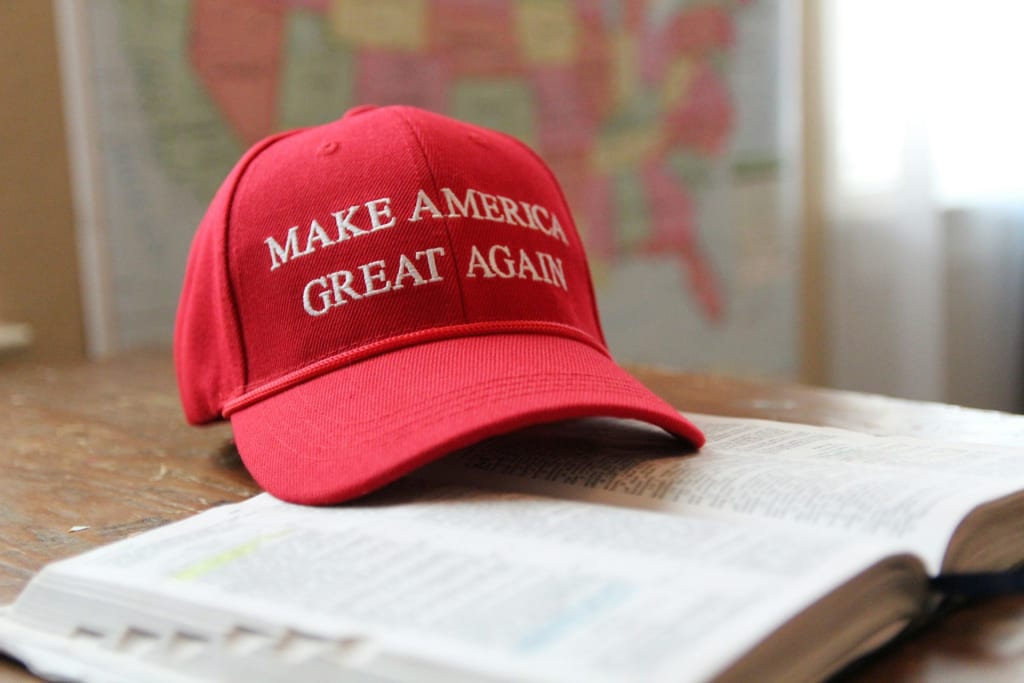
In recent years, American political discourse has been marked by intense polarization and unwavering loyalty among certain voter groups, particularly among supporters of former President Donald J. Trump. This article aims to provide a comprehensive, evidence-based analysis of the psychological factors that contribute to such steadfast loyalty and resistance to facts. Drawing on established psychological theories, social science literature, and current events, we will examine the interplay of cognitive dissonance, group identity, media influence, socio-economic factors, psychological projection, and explore pathways toward mutual understanding and reconciliation. Our goal is to foster a deeper, more nuanced understanding of these phenomena for general readers, political observers, and psychology enthusiasts alike.
1. Historical Context and Demographics of Trump Supporters
To understand the psychological loyalty among Trump supporters, it is important to consider the historical and demographic context. The coalition that propelled Trump to the presidency in 2016 was diverse, but research highlights a predominance of white, working- and middle-class Americans, many from rural or exurban areas, with lower levels of formal education compared to the national average (Pew Research Center, 2018). Historically, these groups have felt economically and culturally marginalized, perceiving themselves as losing status in a rapidly changing society. The rise of populist rhetoric, emphasizing nationalism, anti-elitism, and skepticism toward traditional media and institutions, resonated deeply with these demographics (Hochschild, 2016; Cramer, 2016).
2. Cognitive Dissonance and Resistance to Facts
Cognitive dissonance—the psychological discomfort experienced when holding two or more conflicting beliefs or when confronted with information that challenges existing beliefs—plays a central role in political loyalty and resistance to facts (Festinger, 1957). When Trump supporters are presented with facts or evidence that contradict their views or the narratives of their chosen leader, they may experience dissonance. To resolve this discomfort, individuals often reject or rationalize away the conflicting information, reinforcing their prior beliefs. This process is further reinforced by motivated reasoning, wherein individuals selectively accept information that aligns with their identity or ideology and dismiss opposing data (Kunda, 1990).
3. Group Identity, Echo Chambers, and Psychological Projection
Group identity is a powerful force in shaping attitudes and behaviors. Social identity theory posits that individuals derive self-esteem and meaning from their membership in social groups (Tajfel & Turner, 1979). For many Trump supporters, political identity has become deeply intertwined with broader cultural, religious, or regional identities. This sense of belonging often fosters in-group solidarity and out-group antagonism, making dissent or acceptance of contradictory facts a potential threat to one’s social standing or self-concept.
Echo chambers—environments where individuals are exposed primarily to information and opinions that reinforce their existing beliefs—further amplify these effects (Sunstein, 2001). Within these insular communities, psychological projection can occur, wherein individuals attribute their own anxieties, motives, or perceived flaws to political opponents. This not only deepens polarization but also shields individuals from self-reflection and critical engagement with opposing perspectives.
4. Media Influence and Misinformation
Media ecosystems significantly shape political attitudes, especially when trust in traditional news outlets erodes. The proliferation of partisan media, social media algorithms, and misinformation campaigns has created fragmented information landscapes (Allcott & Gentzkow, 2017). Studies suggest that repeated exposure to misinformation, even after debunking, can create enduring beliefs—a phenomenon known as the “continued influence effect” (Lewandowsky et al., 2012). For Trump supporters, alternative media sources such as talk radio, partisan news networks, and online forums often serve as primary information channels, reinforcing narratives that align with their worldview and further insulating them from factual corrections.
5. Social and Economic Factors
Economic anxiety and social change are key drivers of political behavior. Many Trump supporters express concerns about job loss, stagnating wages, declining industries, and perceived threats from globalization and technological change (Gest, 2016). These anxieties are often intertwined with concerns about demographic shifts, cultural change, and the perceived erosion of traditional values. Social scientists argue that when individuals feel economically or culturally threatened, they are more likely to seek strong leaders and embrace narratives that promise to restore lost status or security (Norris & Inglehart, 2019).
6. Psychological Underpinnings: Fear and Belief Perseverance
Fear is a potent motivator in human psychology, often leading to heightened vigilance and a preference for clear, authoritative leadership (Jost et al., 2003). Political messaging that emphasizes threats—whether real or perceived—can activate fear responses, making individuals more susceptible to messages that promise protection or restoration. Belief perseverance, the tendency to cling to initial beliefs even after receiving contradictory evidence, is also prevalent among highly identified political partisans (Ross, Lepper, & Hubbard, 1975). These psychological mechanisms combine to reinforce loyalty and resistance to new information.
7. Implications of Behavior Projection: Polarization and Moral Projection
Behavioral projection, as described in psychoanalytic theory, involves attributing one's own unacceptable thoughts or feelings to others (Freud, 1920). In the political context, this can manifest as accusing opponents of dishonesty, manipulation, or intolerance—traits that may be present within one’s own group. Such projection exacerbates polarization, as each side views the other as morally suspect and untrustworthy (Iyengar & Westwood, 2015). This dynamic not only hinders constructive dialogue but also entrenches mutual suspicion and animosity.
8. Pathways to Understanding and Reconciliation
Despite these challenges, there are pathways to greater understanding and reconciliation. Research indicates that fostering intergroup contact, emphasizing shared values, and engaging in empathetic listening can reduce polarization and promote openness to new information (Pettigrew & Tropp, 2006). Deliberative dialogues that encourage individuals to share personal experiences and concerns—rather than debating facts—can build trust and lay the groundwork for mutual respect. Media literacy education and efforts to rebuild trust in credible institutions are also critical for countering misinformation and fostering informed citizenship.
Conclusion: Toward Constructive Dialogue
The loyalty and resistance to facts observed among Trump supporters are rooted in a complex interplay of psychological, social, and economic factors. Cognitive dissonance, group identity, media influence, economic anxiety, psychological projection, and fear all contribute to the persistence of beliefs and behaviors that may appear impervious to factual correction. Understanding these dynamics is essential not only for political observers and psychology enthusiasts but for all citizens committed to the health of American democracy.
Fostering dialogue requires empathy, patience, and a willingness to engage across differences. By prioritizing understanding over confrontation, promoting media literacy, and creating spaces for honest conversation, society can begin to bridge divides and work toward lasting reconciliation.
References
1. Pew Research Center reports on voter demographics.
2. Festinger, L. (1957). "A Theory of Cognitive Dissonance".
3. Haidt, J. (2012). "The Righteous Mind".
4. Vance, J.D. (2016). "Hillbilly Elegy".
5. Miller, B. (2018). "The Politics of Fear".
6. Patterson, K., Grenny, J., McMillan, R., & Switzler, A. (2012). "Crucial Conversations".
-Julie O’Hara
THANK YOU for reading my work. I am a global nomad/permanent traveler, or Coddiwombler, if you will, and I move from place to place about every three months. I am currently in Peru and heading to Chile in a few days and from there, who knows? I enjoy writing articles, stories, songs and poems about life, spirituality and my travels. You can find my songs linked below. Feel free to like and subscribe on any of the platforms. And if you are inspired to, tips are always appreciated, but not necessary. I just like sharing.
YouTube Top Song List.
https://www.YouTube.com/results?search_query=julia+o%27hara+top+songs
Amazon PlayList
https://www.amazon.com//music/player/artists/B0D5JP6QYN/julia-o'hara
Spotify PlayList
https://open.spotify.com/artist/2sVdGmG90X3BJVn457VxWA
You can also purchase my books here:
https://www.lulu.com /spotlight/julie-ohara
I am also a member of Buy Me A Coffee – a funding site where you can “buy me a cup of coffee.”
https:www.buymeacoffee.com/JulieOHara
-Julie O’Hara
THANK YOU for reading my work. I am a global nomad/permanent traveler, or Coddiwombler, if you will, and I move from place to place about every three months. I am currently in Peru and heading to Chile in a few days and from there, who knows? I enjoy writing articles, stories, songs and poems about life, spirituality and my travels. You can find my songs linked below. Feel free to like and subscribe on any of the platforms. And if you are inspired to, tips are always appreciated, but not necessary. I just like sharing.
YouTube Top Song List.
https://www.YouTube.com/results?search_query=julia+o%27hara+top+songs
Amazon PlayList
https://www.amazon.com//music/player/artists/B0D5JP6QYN/julia-o'hara
Spotify PlayList
https://open.spotify.com/artist/2sVdGmG90X3BJVn457VxWA
You can also purchase my books here:
https://www.lulu.com /spotlight/julie-ohara
I am also a member of Buy Me A Coffee – a funding site where you can “buy me a cup of coffee.”
https:www.buymeacoffee.com/JulieOHara
About the Creator
Julie O'Hara - Author, Poet and Spiritual Warrior
Thank you for reading my work. Feel free to contact me with your thoughts or if you want to chat. [email protected]
Keep reading
More stories from Julie O'Hara - Author, Poet and Spiritual Warrior and writers in Humans and other communities.
The History of Puerto Rico: From Colonization to U.S. Territory
Since so many people have seemed to have forgotten what they should have learned in 8th grade social studies, and in light of the controversy of Bad Bunny, here is a little short primer on Puerto Rico. Please feel free to share with your friends who have also forgotten.
By Julie O'Hara - Author, Poet and Spiritual Warrior4 months ago in Humans
The CEO of Everything
They say "jack of all trades, master of none," but they forgot to mention the part where the jack of all trades is also the camera woman, the makeup artist, and the person currently yelling at a tangled Wii microphone cable in a her own bathroom while recording herself singing and trying to make it look realistic and professional. (As professional as you can make it with nothing but a cell phone camera and a mic that doesn't work)
By Sara Wilson7 days ago in Humans
Recurring Gum Swelling and Abscess Pain: What It Says About Your Oral Health?
Recurring gum swelling with abscess pain is not a random problem. It is usually a sign that an underlying dental condition has been left untreated or has returned. While temporary relief may come and go, repeated flare ups point to deeper issues that need proper diagnosis and care.
By Hawkesbury Dentistry2 days ago in Humans




Comments
There are no comments for this story
Be the first to respond and start the conversation.