
The Psychology Behind; Why We Fall for the Wrong People
Understanding the subconscious patterns that lead us to emotional misfires—and how to break free.

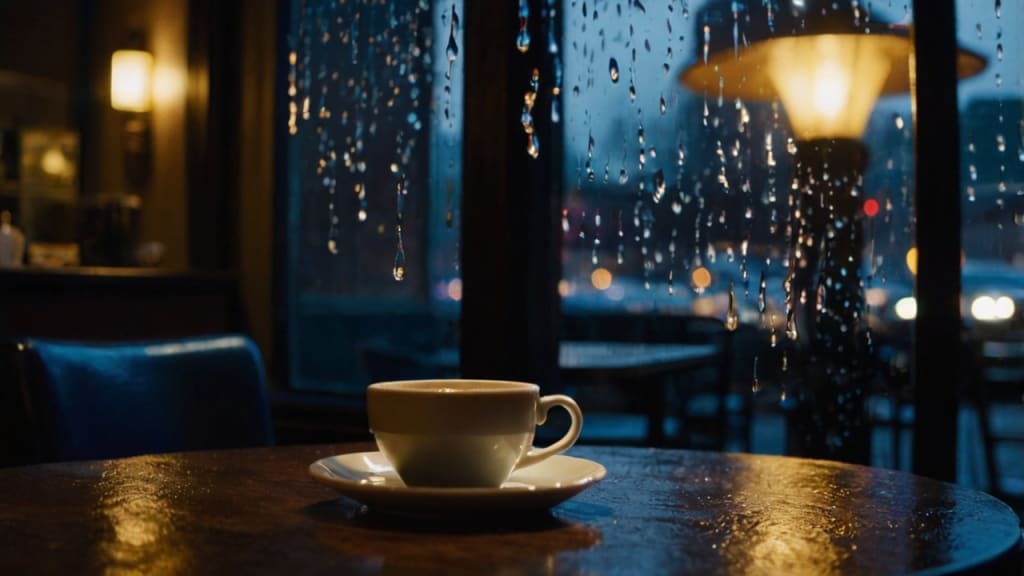
It starts with a spark—a glance across a room, a well-timed text, a shared moment that feels fated. Before long, you’re swept into something that feels like a whirlwind, intoxicating and warm. But as the days pass, discomfort creeps in. You're left wondering why, once again, you've opened your heart to someone who doesn't know how to hold it.
Why do we keep falling for the wrong people? Not just once, but often enough that it becomes a pattern? The answer lies in a complex blend of psychology, personal history, emotional wiring, and modern culture.
Familiarity: The Unseen Force Behind Attraction
Psychologists point to a combination of emotional conditioning, attachment styles, and subconscious familiarity. In short: we often mistake emotional intensity for compatibility. The nervous butterflies, the emotional highs and lows—they mimic the adrenaline of real connection but are often signs of unresolved trauma being triggered.
If you grew up in a home where love was inconsistent—affection met with silence, praise followed by criticism—your nervous system was trained to seek instability. Not because it's good for you, but because it's familiar. Our brains, wired for survival over happiness, draw us toward what's known. That emotional rollercoaster? It feels like home.
The Role of Attachment Styles
Attachment theory helps explain this pattern. According to research by John Bowlby and Mary Ainsworth, our early relationships with caregivers shape how we connect with others later in life. There are four main attachment styles:
Secure: Trusting, balanced, and emotionally open.
Anxious: Craves closeness but fears abandonment.
Avoidant: Values independence and often pushes intimacy away.
Fearful-Avoidant (Disorganized): Craves love but fears getting hurt.
Those with anxious or fearful attachment styles often find themselves drawn to emotionally unavailable or inconsistent partners. It's not because they want pain, but because their nervous system associates inconsistency with love. They equate longing with depth.
Culture, Media, and Romantic Myths
Hollywood has romanticized this dysfunction. Movies and TV shows often glorify relationships filled with drama, miscommunication, and longing, presenting them as passionate or "meant to be." We’ve been trained to believe that true love should hurt or involve a chase, rather than feel safe and reciprocal.
Add to this the world of dating apps, social media comparisons, and a hookup culture, and we are left chasing highs instead of building meaningful, grounded connections. We value who validates us instead of who values us.
Chemistry vs. Compatibility
Chemistry can lie. It can be a reflection of trauma bonding or unresolved emotional wounds. Real compatibility, on the other hand, involves shared values, communication, emotional availability, and mutual respect. But because compatibility often feels "too easy" to those conditioned for chaos, they dismiss it as boring.
The truth? Healthy love feels calm. It feels safe. And that can be unsettling if you're used to instability.
Trauma Bonding: A Hidden Trap
A trauma bond is formed through repeated cycles of abuse, neglect, or inconsistency. The intermittent reinforcement—moments of affection followed by emotional withdrawal—can create an addictive loop. It's not the person you're addicted to; it's the cycle.
When the "wrong" person gives you crumbs of love after withholding affection, your brain floods with dopamine. You associate their return with relief and connection, even if the relationship is largely harmful.
Self-Worth and the Fear of Being Alone
Low self-esteem plays a major role in who we choose. If deep down you believe you are unworthy of lasting love, you may subconsciously pursue people who affirm that belief. The fear of being alone often pushes people to settle for less, to keep chasing what’s familiar rather than what’s fulfilling.
We think, "Maybe if I love them enough, they'll change. Maybe this time, they'll stay." But love shouldn't be an endurance test.
The Turning Point: Awareness and Accountability
Recognition is power. The moment you identify your pattern is the moment you start to shift it. Healing begins with curiosity: "What does healthy love look like? Why am I drawn to what hurts me?"
This isn’t about blaming yourself—it’s about taking back control. You can choose to unlearn the patterns that once kept you stuck. You can choose to do the work: therapy, journaling, emotional regulation, boundary-setting. With each step, your definition of love evolves.
How to Break the Cycle
1. Reflect on Your History: Identify your earliest experiences with love and connection. How did your caregivers express affection?
2. Identify Your Attachment Style: There are many online quizzes and professional assessments that can help.
3. Notice Red Flags Early: Inconsistency, lack of communication, emotional unavailability—treat them as signs, not challenges.
4. Practice Self-Compassion: Falling for the wrong people doesn’t make you foolish. It makes you human.
5. Rewire Your Desires: Spend time around emotionally safe people. Learn to associate stability with attraction.
6. Set Clear Boundaries: Know what you will and won't accept. Enforce those boundaries consistently.
7. Seek Support: Therapy, support groups, and even online communities can help reinforce your healing.
Embracing a New Narrative
Falling for the wrong people doesn’t make you broken. It simply means there is healing to be done—and the good news is, healing is possible. As you start choosing peace over chaos, consistency over confusion, and connection over chemistry, you begin to align with people who can meet you where you are.
The right person won't ignite your anxiety. They'll bring you peace.
And yes, it will feel strange at first—quiet, even boring. But eventually, you’ll realize that the calm, steady rhythm of healthy love is what your soul was craving all along.
No more fixing, chasing, or proving. Just two people showing up, choosing each other, day by day.
That kind of love? It heals you. It elevates you. And most of all, it lasts.
If this story resonated with you, consider sharing it or leaving a comment. Your experiences matter, and your healing journey could be the mirror someone else needs to begin their own.
About the Creator
Shabir Ahmad
When I'm not writing, you can find me [mention hobbies, like exploring new music, reading, or experimenting with photography], always seeking fresh inspiration for my next pieceocalihrougfword
Keep reading
More stories from Shabir Ahmad and writers in Humans and other communities.
The Night I Walked Away: A True Story of Silence, Struggle, and Strength
It was almost midnight when I finally opened the door, stepped out barefoot onto the cold pavement, and walked away from everything I thought I had to endure. There was no dramatic fight. No screaming. No chaos. Just silence. The kind of silence that wraps around your throat like a tightening scarf. That night, my silence ended. I was living in a small suburb in France. I had moved here for love, for the idea of something new and exciting. It started like a dream. He was charming, intelligent, and made me laugh until my stomach ached. We talked about literature, shared playlists, and cooked together. He introduced me to his family, and I believed I was building something stable, something forever. But love, as I learned, can be a carefully constructed mask. The Subtle Disappearance of Self At first, the changes were so small I hardly noticed. He would gently correct how I spoke. He’d suggest I wear something more “fitting.” He would roll his eyes when I shared ideas he didn’t agree with. It all seemed harmless. I mistook it for intimacy. I told myself, "He’s just helping me grow." Then, I stopped wearing makeup because he said it made me look fake. I stopped calling my family as often because he didn’t like the noise. I declined job interviews because he said I wouldn’t be able to manage stress. Slowly, the girl who arrived in France full of ambition and fire faded into someone quiet, agreeable, and invisible. But I told no one. Not my family back home. Not the friends I once met for coffee. Shame is a powerful silencer. And fear? Even more so. Emotional Bruises Don’t Show He never hit me. He didn’t need to. He mastered the art of making me feel small with his words. “You’re lucky I put up with you.” “No one else would want you.” “This is why your family gave up on you.” He’d say these things with a laugh, like they were jokes. And when I cried, he’d say, "You’re too sensitive." Every insult was wrapped in a smile, every wound followed by a kiss. I convinced myself this was just how relationships worked. That it would get better. That I was the problem. Until the night I realized I couldn’t breathe. The Breaking Point That evening, we were eating dinner. I had cooked his favorite pasta, hoping to ease the tension of the past few days. But he barely looked up from his phone. When I asked about his day, he replied, "Stop being so clingy." Something inside me cracked. I went to the bathroom and stared at myself in the mirror. My eyes looked hollow. My shoulders drooped. My reflection felt like a stranger. I thought of my mother’s voice on our last call, saying, "You don’t sound like you anymore." And she was right. I had vanished. The Night I Walked Away I didn’t plan it. I just... stood up, grabbed my coat, and walked to the door. He didn’t even ask where I was going. Maybe he thought I’d come back, like always. But this time, I didn’t. I walked through the quiet streets of the neighborhood, my phone buzzing in my pocket. I ignored it. I didn’t know where I was going. I just knew I needed to leave. Eventually, I reached a small hotel near the train station. I had enough cash on me for one night. The woman at the front desk didn’t ask questions. She handed me a key, and I cried harder than I had in years. Starting Over Isn’t Clean The next morning, I called my sister. I told her everything. She didn’t ask why I hadn’t told her sooner. She just cried with me. Within days, I was on a train to Germany, where she lived. She welcomed me with open arms, a warm bed, and an endless supply of tea. Leaving wasn’t a clean break. I had panic attacks. I missed him, or at least the version of him I thought was real. I questioned if I had overreacted. But therapy, long walks, and time reminded me: love doesn’t erase you. Lessons I Carry 1. Emotional abuse is real. You don’t need bruises to prove your pain. 2. Silence protects the abuser, not the victim. Speak up, even if your voice shakes. 3. Healing is messy. You’ll doubt, cry, and question—but keep going. 4. You are not alone. There are people waiting to help. Family, strangers, professionals. To the Woman Still Waiting If you are reading this and feeling seen, please know: you deserve love that doesn’t hurt. You are not too sensitive. You are not overreacting. If your heart feels heavy every day, listen to it. Walking away was the hardest thing I’ve ever done. But it was also the bravest.
By Shabir Ahmad10 months ago in Confessions


Comments
There are no comments for this story
Be the first to respond and start the conversation.