
The Power of Teamwork and Collaboration
Keys to Success in the Modern World

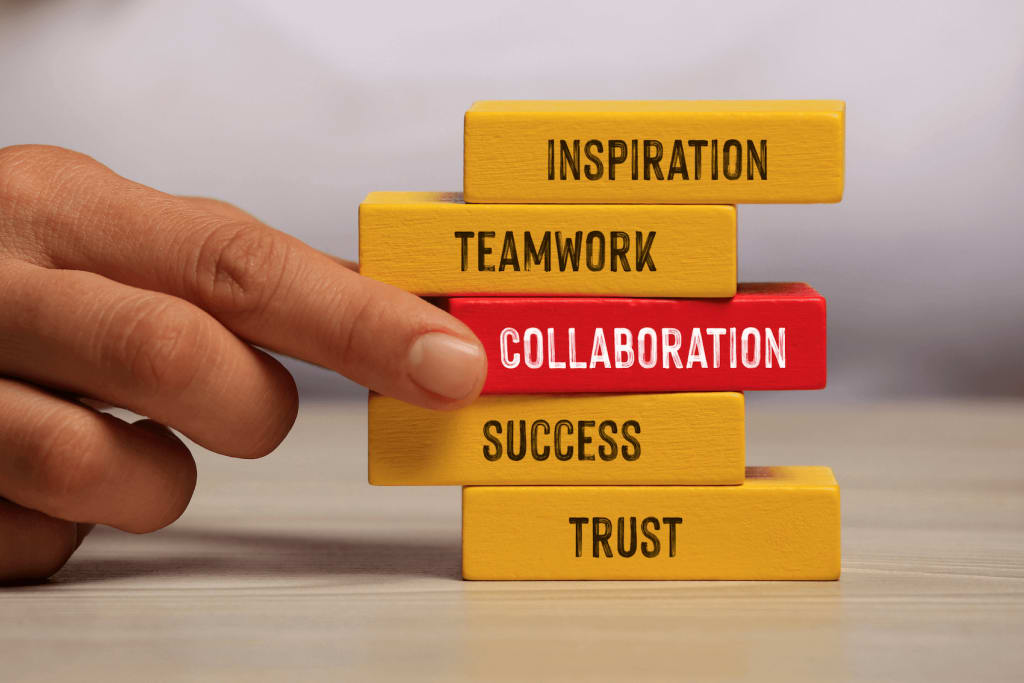
In today’s fast-paced, interconnected world, the ability to work well with others has become more essential than ever. Whether in the workplace, academic settings, or community projects, the value of teamwork and collaboration cannot be overstated. From enhancing productivity to fostering innovation, working together has become the cornerstone of success in nearly every field.
In this article, we will explore what makes teamwork and collaboration so important, the benefits they offer, and practical strategies for fostering these skills in any environment.
What is Teamwork and Collaboration?
Before diving into the benefits and strategies, it's important to define what we mean by teamwork and collaboration. While the terms are often used interchangeably, they have slightly different connotations.
Teamwork refers to a group of individuals working together towards a common goal. Teamwork requires clear communication, trust, and a shared sense of responsibility. It involves members of the team bringing their unique strengths and skills to the table, and contributing to the overall success of the team’s objectives.
Collaboration, on the other hand, refers to the act of working together on a task or project. It may involve teamwork but also includes cooperative problem-solving, brainstorming, and the exchange of ideas across boundaries. Collaboration is often more fluid and open-ended than traditional teamwork, and it encourages the sharing of knowledge and expertise.
While teamwork typically refers to an ongoing group effort, collaboration can be seen as a more dynamic, informal process that happens across teams or even between individuals and groups working toward a shared goal.
Why Teamwork and Collaboration Matter
1. Diverse Perspectives Lead to Better Problem Solving
One of the most significant advantages of teamwork and collaboration is the ability to leverage diverse perspectives. A team made up of individuals with varied backgrounds, experiences, and expertise can approach a problem from different angles. This diversity can lead to more creative solutions and better decision-making.
For example, a team composed of individuals from different departments—marketing, product development, and customer service—might collaborate to design a new product. Each department brings its unique knowledge and insights into the process, resulting in a product that meets customer needs, aligns with market trends, and can be efficiently produced.
2. Enhanced Innovation
Collaboration fosters an environment where new ideas can emerge. The more people work together, the more opportunities there are to think outside the box. In a collaborative setting, individuals feel encouraged to express their ideas, knowing that feedback from others can lead to the refinement and enhancement of their concepts.
Companies like Apple, Google, and Tesla have thrived on their ability to encourage collaborative environments where employees from different backgrounds come together to create groundbreaking products and services. In fact, the rise of innovation in fields like technology, healthcare, and design can often be traced to the power of effective teamwork and collaboration.
3. Increased Efficiency and Productivity
When individuals work together, tasks can be completed more efficiently. In a well-functioning team, members divide responsibilities according to their skills, allowing them to focus on what they do best. This division of labor leads to faster problem-solving and greater productivity.
For instance, in a software development team, one person might specialize in coding, another in testing, and another in design. By collaborating and focusing on specific tasks, the team can produce high-quality work in less time than if each person were to work independently on every aspect of the project.
4. Builds Trust and Stronger Relationships
Effective teamwork helps build trust among individuals. Trust is a crucial component of collaboration because it allows team members to rely on each other and share resources without fear of exploitation. When people work together successfully, they build rapport and strengthen interpersonal relationships.
In the workplace, trust and positive relationships are key drivers of employee satisfaction and retention. Teams that communicate openly and respect one another's contributions tend to have higher morale, which in turn leads to improved overall performance.
5. Adaptability to Change
In today’s business environment, change is constant. Whether it’s the introduction of new technology, a shift in market conditions, or an evolving project scope, teams that work well together can adapt more quickly to new challenges. Collaboration ensures that team members can pool their collective knowledge to find creative solutions to emerging problems.
For example, during the COVID-19 pandemic, many organizations had to transition quickly to remote work. Teams that were already accustomed to collaborating effectively were able to adapt to virtual platforms more easily, ensuring business continuity.
Key Strategies for Fostering Teamwork and Collaboration
While teamwork and collaboration come naturally to some, they require intentional effort in many other situations. Here are several strategies that can help foster effective collaboration and teamwork:
1. Set Clear Goals and Roles
The foundation of successful teamwork lies in clear objectives. Whether the team is working on a short-term project or a long-term goal, everyone should be aligned on what the team is trying to achieve. Furthermore, it is crucial to define each team member’s role to prevent duplication of effort or confusion about responsibilities.
Using tools like SMART goals (Specific, Measurable, Achievable, Relevant, Time-bound) can help ensure that everyone is on the same page. When each member knows what is expected of them, they are more likely to contribute meaningfully to the team’s success.
2. Foster Open Communication
Open, honest, and transparent communication is key to effective teamwork and collaboration. Encourage regular check-ins, feedback sessions, and open forums where team members can share their thoughts, concerns, and ideas. Communication tools like Slack, Microsoft Teams, or Zoom can facilitate ongoing conversations, particularly for remote or hybrid teams.
Active listening is also an essential part of communication. By truly listening to each other’s ideas, team members can prevent misunderstandings and ensure everyone feels heard and valued.
3. Encourage Mutual Respect
Respect is the bedrock of collaboration. Each team member should value the unique contributions of others. This means acknowledging the expertise, experience, and perspectives of your colleagues, even if you don't always agree with them. Mutual respect fosters a positive environment where everyone feels motivated to contribute their best work.
To promote respect, create an inclusive atmosphere where diverse voices are heard. This can involve actively seeking input from quieter members or ensuring that no one dominates the conversation.
4. Leverage Technology and Tools
In today’s digital age, technology plays a significant role in enhancing collaboration. Use project management tools like Asana, Trello, or Monday.com to track progress, assign tasks, and share resources. Collaborative platforms like Google Workspace or Microsoft Office 365 allow teams to work on documents simultaneously, facilitating real-time collaboration.
These tools not only streamline communication but also help ensure that everyone stays aligned on goals and deadlines.
5. Celebrate Successes and Learn from Failures
Recognizing and celebrating the team’s achievements can motivate members to continue collaborating. Whether it’s reaching a project milestone or successfully solving a problem, acknowledging success helps build team morale and strengthens the group’s bond.
Equally important is learning from failures. When things don’t go as planned, use it as an opportunity to discuss what went wrong and how the team can improve moving forward. This fosters a culture of continuous improvement and resilience.
Conclusion
Teamwork and collaboration are no longer optional—they are fundamental to success in any field. Whether you're working in a corporate setting, a startup, or a community organization, the ability to collaborate effectively with others is a critical skill that drives innovation, productivity, and problem-solving. By fostering open communication, respecting diverse perspectives, and utilizing the right tools, teams can achieve great things together.
In the future, as industries continue to evolve and become more interconnected, the power of teamwork and collaboration will only become more pronounced. Those who master the art of working together effectively will be the ones leading the charge in creating lasting change and achieving exceptional results.
About the Creator
Educational Villa
An Educational Villa is a concept that blends the traditional charm of a villa with modern educational principles.
https://educationalvilla.com/how-many-weeks-are-in-a-school-year/
Keep reading
More stories from Educational Villa and writers in Humans and other communities.
Why Do Kids Troll Autistic Adults?
Trolling, bullying, and general mistreatment of individuals, especially vulnerable groups, have long been a problem within society. One of the groups most affected by these behaviors is people with autism spectrum disorder (ASD), including adults. Though bullying can affect people of all ages, kids may target autistic adults for reasons tied to misunderstanding, a lack of empathy, and societal influences. Understanding why kids troll autistic adults, and the impact it has on both the victims and the perpetrators, requires a deep dive into the psychology of both groups, societal attitudes toward disability, and the developmental stages of children.
By Educational Villaabout a year ago in Education
Whiskey At Dusk
Guess the whiskey was more important to you in the end, wasn’t it? It was more than the well-being of your friends; more vital than showing up to the places you promised you would and could come to; more critical of a matter than fulfilling your damn responsibilities and getting the press off your back.
By Snarky Lisa2 days ago in Humans




Comments
There are no comments for this story
Be the first to respond and start the conversation.