
The Polished Mask of Social Media
Why our online kindness shines brighter than our real actions — and what it costs us

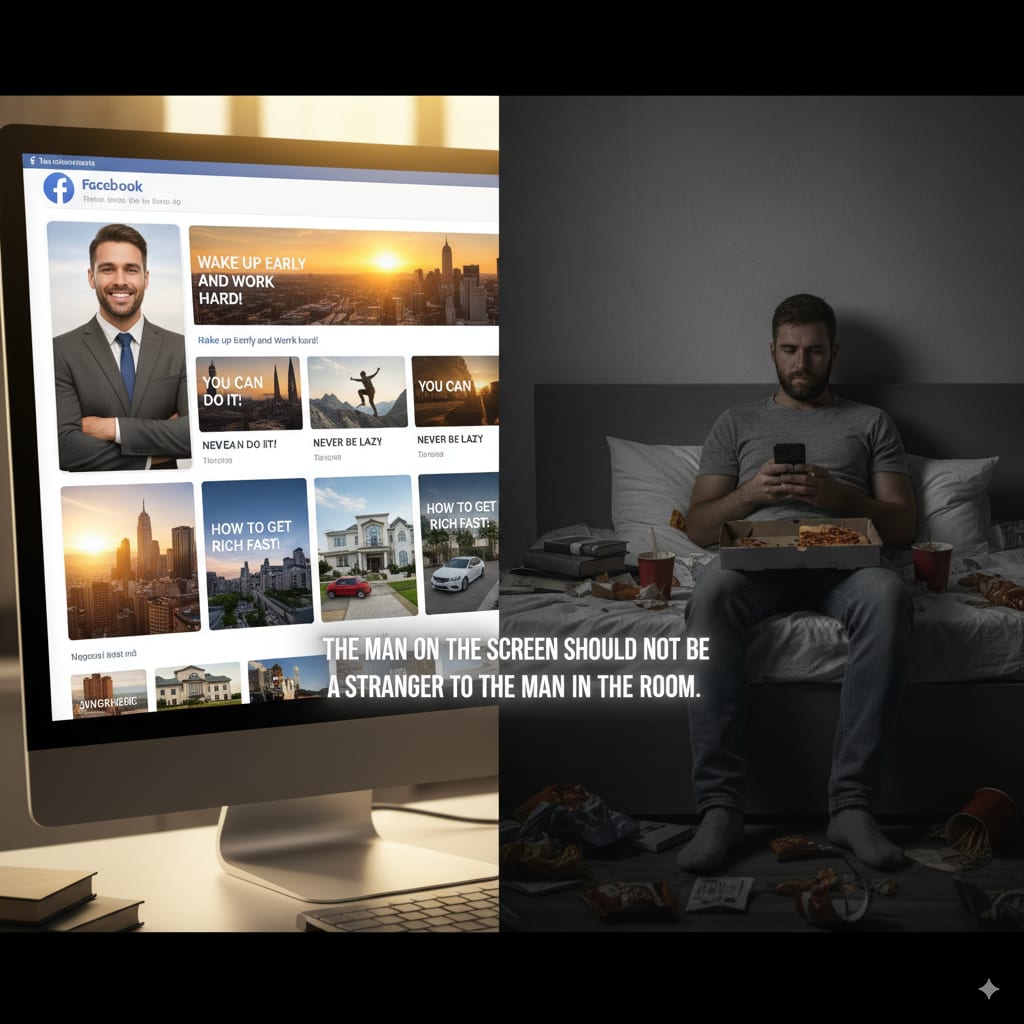
The Digital Mirror
Open any social media feed today, and you’ll see a flood of polished lives: professionals who look endlessly respectful, activists who share every noble cause, and friends who post touching videos of rescuing animals or feeding the poor. At first glance, it looks like the world has never been kinder.
But behind the screens, the picture often tells another story. Some who post about mercy toward animals may pass by hungry children in their own streets. Others who share motivational words may struggle to speak gently with their own families. This gap between the life we post and the life we live is growing — and researchers are paying attention.
Why We Do It
Psychologists call it false self-presentation: carefully curating an idealized version of ourselves online. Studies show it is often driven by:
• Impression management – the desire to control how others see us. Every “like” is a small reward.
• Need for approval – people who crave validation are more likely to polish their online image.
• Virtue signalling – public displays of morality that make us look good, even when our commitment in real life is minimal.
• Safe applause – posting about animals or universal causes is easier (and less controversial) than confronting uncomfortable human problems around us.
In other words, social media tempts us to take the short road: appearing good rather than being good.
The Hidden Costs
At first, this may seem harmless — even useful. After all, what’s wrong with spreading good messages? But research warns that there are silent consequences:
• Emotional strain – living two selves (online and offline) can create anxiety, depression, and a sense of emptiness.
• Shallow relationships – when our online image drifts too far from reality, trust in real relationships weakens.
• Slacktivism – public posts may replace real help, giving the illusion of action while actual suffering goes untouched.
In one study on Instagram users, those who presented a “false self” reported higher levels of depression and lower authenticity in their daily lives. Another study found that time spent curating idealized profiles was linked to weaker interpersonal relationships.
The Paradox of Virtue
Interestingly, not all signalling is empty. Some researchers note that public displays of kindness can set social norms and inspire others. A video of saving an animal may indeed plant seeds of mercy in viewers. The problem arises when signalling becomes a substitute for real action — when the mask becomes more important than the person behind it.
The Reflection We Avoid
This subject is not just about “others.” It is about us. Each of us faces a daily question:
• Do my posts match my actions?
• Am I sharing values I live, or values I wish to be seen living?
• Am I choosing the easy applause of the screen over the harder compassion of reality?
Toward Authentic Goodness
The challenge is not to stop sharing, but to close the gap between what we display and what we do. A small act of kindness in the street matters more than a thousand reposted slogans. Mercy in practice carries more weight than mercy in pixels.
Because at the end of the day, the true measure of goodness is not in the likes we gather, but in the lives we touch.
True goodness is quiet, steady, and often unseen. It does not need filters or applause to shine. When our compassion leaves the screen and enters the street, it becomes real. And in those moments, our humanity speaks louder than any post ever could.
Closing Line:
The man in our posts should never be a stranger to the man in our mirror.
About the Creator
Life Hopes
I share poetry, real-life stories, and reflections that inspire growth, resilience, and purpose. My vision is to guide others toward living with hope, kindness, and meaning through words that heal and uplift.
Keep reading
More stories from Life Hopes and writers in Humans and other communities.



Comments
There are no comments for this story
Be the first to respond and start the conversation.