
"The Perpetual Motion: Unveiling the Continuous Activity of Your Intestines".
The fact that your Intestines Are Always Moving.
Introduction:
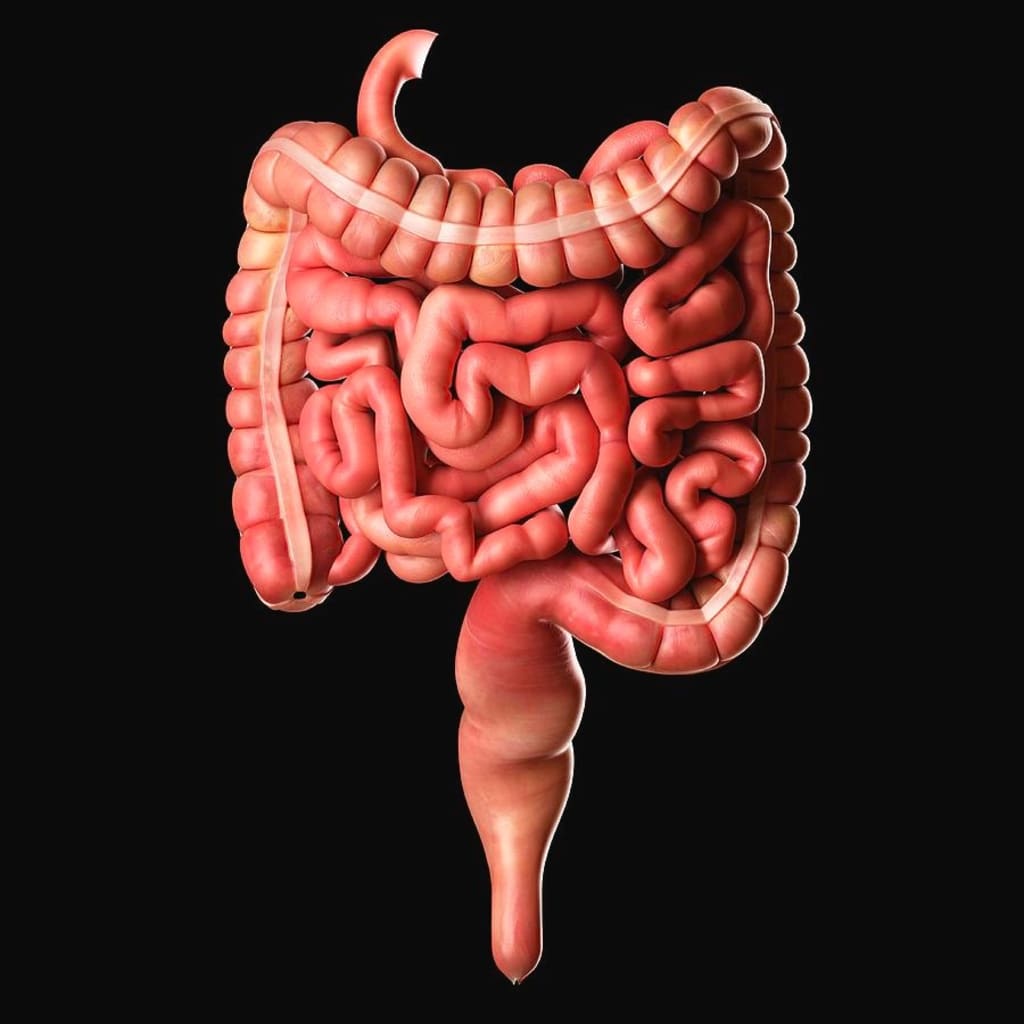
Within the intricacies of the human digestive system lies a dynamic and continuous process – the perpetual motion of the intestines. While we may not consciously perceive the intricate movements occurring in our abdominal region, the rhythmic contractions of the intestines play a crucial role in the digestion and absorption of nutrients. This article explores the fascinating world of intestinal motility, shedding light on the perpetual motion that occurs within our digestive tracts.
The Dynamics of Digestion:
Digestion is a complex process that begins the moment food enters the mouth and continues through the digestive tract. While the stomach initiates the breakdown of food with the help of gastric juices, it is the intestines where the majority of digestion and nutrient absorption take place. The intestines consist of two main segments: the small intestine and the large intestine (colon).
Small Intestine: The Workhorse of Digestion:
The small intestine, despite its name, plays a colossal role in digestion and absorption. It is here that the majority of nutrients from ingested food are broken down into their smallest components and absorbed into the bloodstream. The small intestine consists of three parts: the duodenum, jejunum, and ileum.
Duodenum: The first section of the small intestine, the duodenum, receives partially digested food from the stomach along with bile and pancreatic enzymes. These substances further break down the food into absorbable components.
Jejunum: Following the duodenum is the jejunum, where the majority of nutrient absorption occurs. The inner lining of the jejunum is equipped with numerous villi and microvilli, increasing the surface area for efficient absorption of nutrients like carbohydrates, proteins, and fats.
Ileum: The final section of the small intestine, the ileum, completes the absorption process, particularly for bile salts and vitamin B12.
Peristalsis: The Driving Force:
The continuous movement of the intestines is orchestrated by a rhythmic contraction and relaxation process known as peristalsis. Peristalsis is the propulsive movement that helps push ingested food and digestive juices along the digestive tract. This coordinated muscular activity ensures that the contents move through the intestines at an optimal pace for digestion and absorption.
Role of Smooth Muscle:
The walls of the intestines are lined with smooth muscle, which is distinct from the skeletal muscles that control voluntary movements. The smooth muscle in the intestines contracts involuntarily in a coordinated fashion, creating the wave-like motions of peristalsis. This smooth muscle activity is modulated by the enteric nervous system, a complex network of nerves embedded in the walls of the digestive tract.
The Large Intestine's Contribution:
While the small intestine is responsible for the majority of nutrient absorption, the large intestine, or colon, plays a critical role in water absorption and the formation of feces. Peristalsis continues in the colon, gradually moving the remaining contents toward the rectum. The slower pace in the large intestine allows for the absorption of water and electrolytes, transforming the liquid chyme from the small intestine into more solid feces.
Gastrointestinal Motility Disorders:
The intricate dance of peristalsis is essential for maintaining digestive health. However, disruptions in this rhythmic movement can lead to gastrointestinal motility disorders. Conditions like irritable bowel syndrome (IBS), inflammatory bowel disease (IBD), and gastroparesis can impact the normal motility of the intestines, causing symptoms such as abdominal pain, bloating, constipation, or diarrhea.
External Factors Influencing Motility:
The perpetual motion of the intestines is not solely an internal affair; it is influenced by various external factors. Physical activity, for instance, can stimulate intestinal motility. Regular exercise promotes overall digestive health by enhancing the rhythmic contractions of the intestines.
Dietary choices also play a significant role. A diet rich in fiber aids in maintaining healthy bowel movements by providing bulk and promoting peristalsis. Conversely, dehydration can lead to sluggish bowel movements and constipation.
The Role of Hormones:
Hormones play a regulatory role in intestinal motility. Gastrin, cholecystokinin (CCK), and secretin are hormones released in response to food intake. They help modulate stomach acid production, gallbladder contraction, and pancreatic enzyme release, contributing to the overall coordination of digestive processes.
The Gastrointestinal Migrating Motor Complex (MMC):
Between meals, a specialized pattern of contractions known as the migrating motor complex (MMC) takes over. The MMC helps clear residual debris and bacteria from the small intestine, preventing bacterial overgrowth and maintaining a healthy digestive environment.
Conclusion:
The perpetual motion of the intestines, driven by the orchestrated dance of peristalsis, is an indispensable aspect of the digestive process. This continuous movement ensures the efficient digestion and absorption of nutrients, contributing to overall health and well-being. Appreciating the intricacies of intestinal motility provides insight into the remarkable coordination required for a well-functioning digestive system. As we enjoy our meals and go about our daily activities, the silent yet ceaseless motion within our intestines quietly supports our body's essential functions.
About the Creator
Keep reading
More stories from fatima zahra ajankar and writers in Humans and other communities.
"The Corrosive Power of Stomach Acid: A Closer Look at its Potential to Affect Metal".
Introduction: The human stomach is a powerhouse of digestive processes, employing a highly acidic environment to break down food into its essential components. While it's well-known that stomach acid plays a crucial role in digestion, the notion that it can melt metal may sound like something out of a science fiction tale. In this article, we will explore the truth behind the statement, examining the corrosive properties of stomach acid and its interaction with metal.
By fatima zahra ajankar2 years ago in Humans
Whiskey At Dusk
Guess the whiskey was more important to you in the end, wasn’t it? It was more than the well-being of your friends; more vital than showing up to the places you promised you would and could come to; more critical of a matter than fulfilling your damn responsibilities and getting the press off your back.
By Snarky Lisaa day ago in Humans
What is Application Development? A Detailed Guide to 2026
Think about the last app you used today. Maybe you checked the weather, ordered coffee, or scrolled through social media during your commute. Behind each of those taps and swipes is a world of planning, coding, testing, and refining. That's application development, the art and science of building software that actually works for people.
By Supreme Technologies5 days ago in Humans



Comments (1)
This was very informative! I felt like reading my biology book, lol.