
"The Corrosive Power of Stomach Acid: A Closer Look at its Potential to Affect Metal".
The fact that Stomach Acid Can Melt Metal
Introduction:
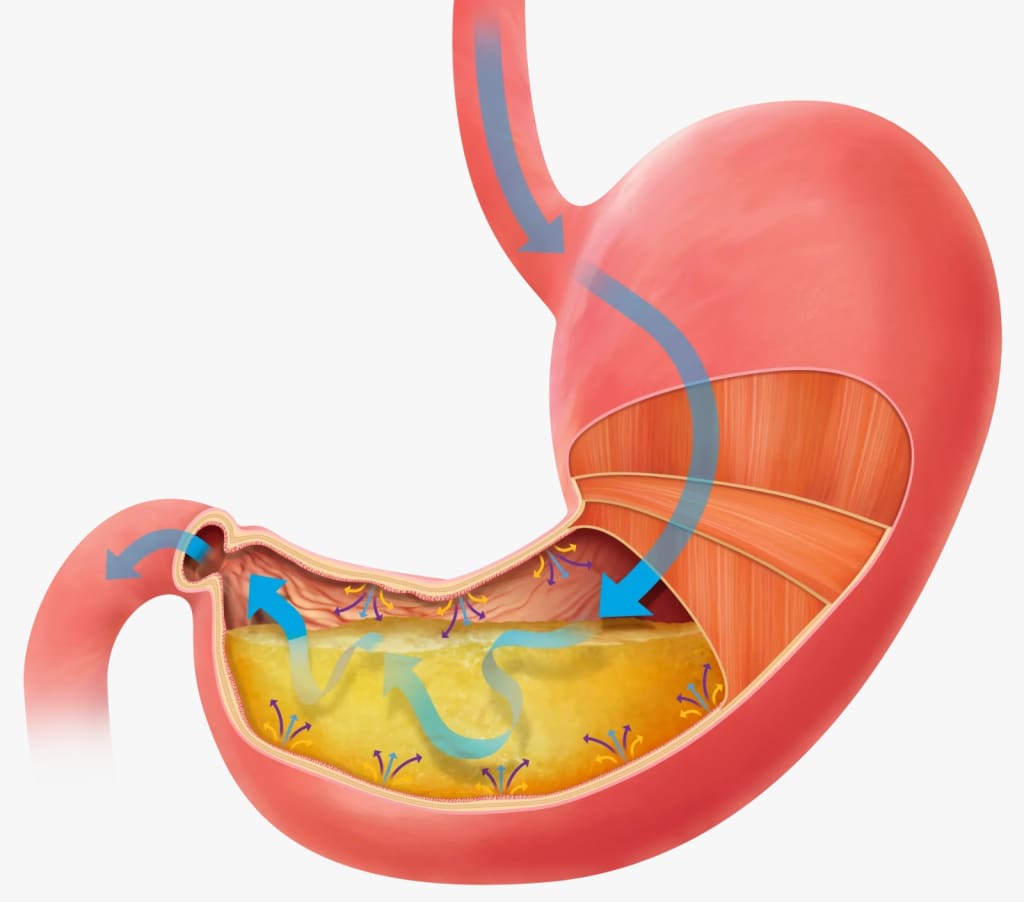
The human stomach is a powerhouse of digestive processes, employing a highly acidic environment to break down food into its essential components. While it's well-known that stomach acid plays a crucial role in digestion, the notion that it can melt metal may sound like something out of a science fiction tale. In this article, we will explore the truth behind the statement, examining the corrosive properties of stomach acid and its interaction with metal.
Composition of Stomach Acid:
Stomach acid, or gastric acid, is primarily composed of hydrochloric acid (HCl) along with other digestive enzymes and mucous. The acidity of stomach acid is measured on the pH scale, with a typical range of 1.5 to 3.5. This low pH is a result of the concentration of hydrogen ions in the stomach, making the environment highly acidic.
Digestive Function of Stomach Acid:
The acidic environment of the stomach serves a vital purpose in the digestive process. Stomach acid activates digestive enzymes, such as pepsin, which break down proteins into smaller peptides. Additionally, the low pH helps sterilize the ingested food, eliminating many potentially harmful microorganisms. The digestive acids work in tandem to prepare the partially digested food, known as chyme, for further processing in the small intestine.
Corrosive Properties of Stomach Acid:
The corrosive nature of stomach acid is evident in its ability to break down complex organic molecules during digestion. However, the question of whether stomach acid can melt metal requires a nuanced understanding of the interaction between acid and different materials.
Metals and Their Reaction to Stomach Acid:
While stomach acid is potent in its ability to break down organic matter, it is generally not corrosive enough to directly "melt" most metals. Metals such as iron, aluminum, and zinc are resistant to the corrosive effects of stomach acid due to the formation of a protective oxide layer on their surfaces. This layer acts as a barrier, preventing further corrosion and protecting the metal beneath.
However, certain metals, such as reactive metals like sodium or potassium, can react violently with stomach acid, releasing hydrogen gas and heat in the process. These reactions are highly exothermic and can result in the metal breaking down or even catching fire.
Corrosion of Metals in Extreme Cases:
In extreme cases, where individuals have persistent issues with gastroesophageal reflux disease (GERD) or gastric ulcers, the prolonged exposure of the esophagus to stomach acid can lead to a condition known as Barrett's esophagus. This condition may, in rare cases, result in the erosion of dental enamel due to the corrosive effects of stomach acid. However, direct erosion of metal implants or dental fillings is not a common occurrence.
Challenges in Direct Metal Melting by Stomach Acid:
While stomach acid is corrosive, the conditions necessary for it to directly melt metal are not typically encountered in the human digestive system. The concentration of stomach acid is not sufficient to cause metal melting, and the protective oxide layer on most metals prevents rapid corrosion.
Practical Implications and Safety Measures:
Despite the low likelihood of stomach acid directly melting metal, it is crucial to recognize that prolonged exposure to stomach acid can have detrimental effects on the gastrointestinal system, leading to conditions such as ulcers or Barrett's esophagus. Individuals experiencing persistent acid reflux or related symptoms should seek medical attention to address the underlying issues and prevent potential complications.
Conclusion:
The idea that stomach acid can melt metal captures attention with its intrigue, but the reality is more nuanced. While stomach acid is a powerful digestive agent with corrosive properties, the direct melting of most metals is not a common occurrence within the human body. Understanding the digestive role of stomach acid, its composition, and the protective mechanisms of metals provides a clearer picture of the intricate interplay
between biology and chemistry. As with any scientific inquiry, it is essential to approach such topics with a balanced perspective, acknowledging both the potential risks and the inherent safeguards that nature has in place.
About the Creator
Keep reading
More stories from fatima zahra ajankar and writers in Humans and other communities.
"The Hard Truth: Teeth and Opals – Unraveling the Fascinating Parallels".
Introduction: Teeth and opals, seemingly unrelated at first glance, share a surprising similarity—they are both marvels of nature characterized by their hardness. While teeth are essential for functions such as chewing and speech, opals captivate with their iridescent play of colors. This article explores the fascinating parallel between teeth and opals, delving into the science behind their hardness and the unique characteristics that make them stand out in the natural world.
By fatima zahra ajankar2 years ago in Humans
Whiskey At Dusk
Guess the whiskey was more important to you in the end, wasn’t it? It was more than the well-being of your friends; more vital than showing up to the places you promised you would and could come to; more critical of a matter than fulfilling your damn responsibilities and getting the press off your back.
By Snarky Lisaa day ago in Humans
The Wise Minister
The Wise Minister A king had two sons, and both of them were foolish. The king’s minister, however, was very wise and extremely honest. Therefore, before doing any important work, the king always consulted his minister. The two princes secretly felt jealous of the minister.
By Sudais Zakwan3 days ago in Humans
The Duelist
The rays of a dying red sun flashed against the onrushing blade. The grey beards say the key to dueling lies in size, speed, reach, righteous fury, whatever the person in front of them pays them to say. Matteo knew better than any it was none of these and had an undefeated record on these sands to prove it.
By Matthew J. Frommabout 6 hours ago in Fiction


Comments (1)
This was explained very well. Fascinating read!