
The Pashtun Tahafuz Movement
A Voice for Justice Amidst Enduring Challenges


The Pashtun Tahafuz Movement: A Voice for Justice Amidst Enduring Challenges
Introduction: A Movement Born from Injustice
The Pashtun Tahafuz Movement (PTM) has emerged as one of the most prominent grassroots movements in Pakistan’s recent history. Focused on advocating for the human rights of the Pashtun community, PTM was launched in 2018 following the extrajudicial killing of Naqeebullah Mehsud, a young man from South Waziristan. The movement has since evolved into a broader call for dignity, justice, and accountability in regions long marred by conflict, displacement, and neglect.

Historical Context: Marginalised by Design
The roots of Pashtun grievances extend far beyond recent military campaigns. For decades, the tribal areas along Pakistan’s western frontier — notably the erstwhile Federally Administered Tribal Areas (FATA) — remained outside the country’s regular legal and administrative structures. This separate status created a vacuum of governance, leaving communities exposed to both state overreach and militant influence, without meaningful recourse to justice.
The War on Terror and Its Impact
In the post-9/11 era, the Pashtun belt became the epicentre of Pakistan’s counter-terror operations. These military campaigns, although aimed at eliminating militancy, led to widespread destruction. Villages were razed, and hundreds of thousands were displaced. The war's collateral damage deeply affected innocent civilians who were often caught between state forces and militant groups, further eroding their trust in national institutions.

A Displaced People, Uprooted and Forgotten
The mass displacements resulting from military operations created a humanitarian crisis. Internally displaced persons (IDPs) from Waziristan, Bajaur, Khyber, and other regions spent years in refugee camps or with extended families in unfamiliar cities. Many returned only to find their homes destroyed and land mined, with little or no government support to rebuild their lives.
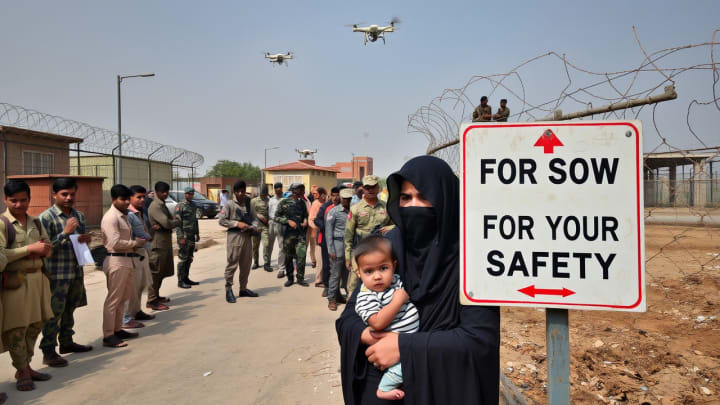
A Region Under Siege
Beyond displacement, Pashtun regions are frequently subjected to harsh security measures. Military checkpoints, curfews, arbitrary detentions, and constant surveillance have become a part of everyday life. While such measures are justified by authorities as necessary for national security, locals view them as a violation of their fundamental rights and dignity.

Civilian Casualties and a Cry for Accountability
Civilian deaths, often as a result of misdirected drone strikes, shootouts, or mistaken identity at checkpoints, have left countless families grieving. What makes these tragedies even more painful is the absence of any meaningful investigations or justice. PTM has repeatedly demanded that those responsible for these deaths be held accountable under the law.
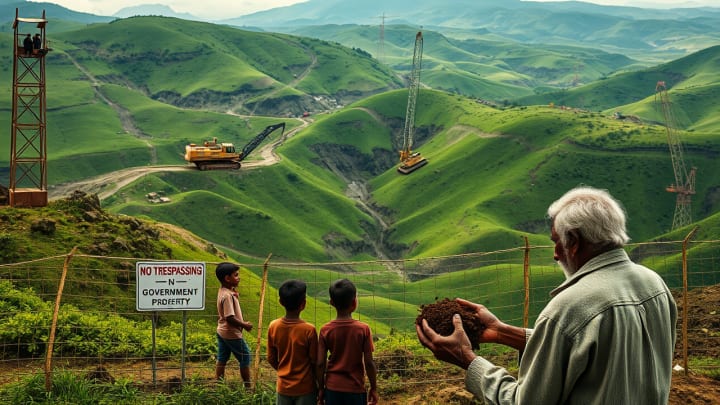
The Minerals Beneath Their Feet
The Pashtun belt is rich in natural resources — marble, chromite, uranium, emeralds, oil, and gas. However, the people of the region have seen little to no benefit from this wealth. Instead, they allege that powerful institutions, including elements within the military, have monopolised control of these assets, exploiting them for profit without investing in the development of local communities.
Resource Exploitation and Systemic Looting
According to PTM and various civil society voices, the extractive operations in tribal regions lack transparency. There are few audits, no community consultations, and almost no reinvestment. This “looting,” as it is often described, reinforces the perception that Pashtun lands are seen only as zones of extraction — not as homes to citizens with rights and aspirations.
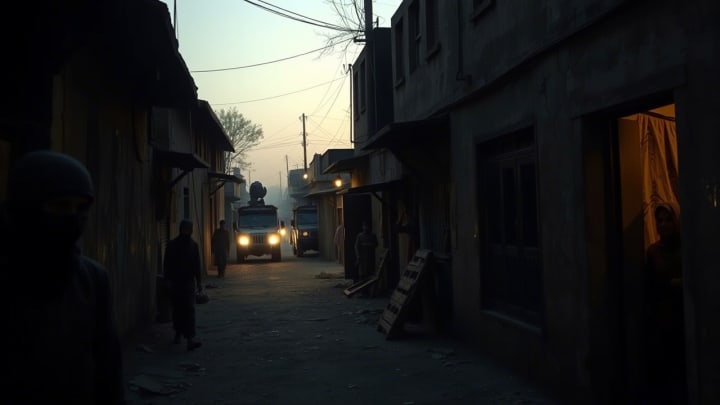
Between Militants and the State
The precarious position of Pashtuns is further complicated by the continued presence of militant remnants. Despite military operations, many groups remain active, leading to sporadic violence. Locals often find themselves accused by both militants and the state — suspected of being collaborators by the former and sympathisers by the latter. This leaves little room for neutrality, let alone safety.
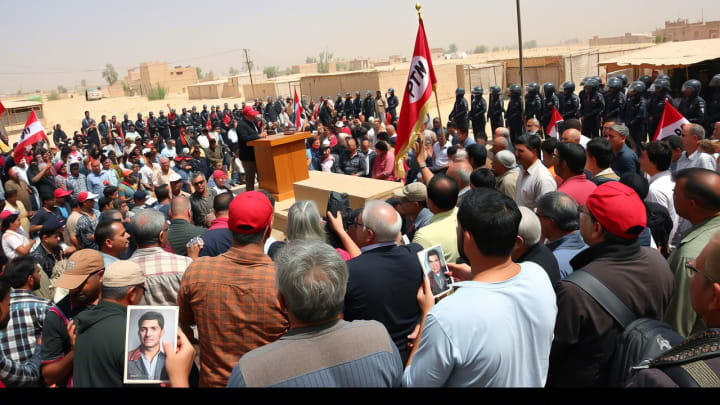
PTM’s Emergence: A Movement Rooted in Resistance
Against this backdrop of decades-long neglect, systemic violence, and economic exploitation, PTM’s emergence marked a watershed moment. Led by figures such as Manzoor Pashteen, Mohsin Dawar, and Ali Wazir, the movement began by demanding justice for Naqeebullah Mehsud but quickly grew into a platform addressing collective Pashtun grievances across the tribal belt and beyond.
The Core Demands of PTM
PTM’s agenda is simple yet profound. It includes: an end to extrajudicial killings; the recovery and trial of missing persons; de-mining of war-affected areas; fair compensation for damaged property; removal of arbitrary checkpoints; equitable sharing of resource profits; and the preservation of Pashtun language, culture, and identity. At its heart, the movement seeks dignity and equality under the law.
Peace Through Accountability
PTM insists that sustainable peace is impossible without accountability. The movement calls for a truth and reconciliation commission to address the historical injustices — from drone strikes to forced displacements — that have traumatised generations. Such a commission would allow victims to be heard, and the state to reflect and reform.
Repression and Pushback
Despite its non-violent nature, PTM has faced intense backlash from state institutions. Peaceful rallies have been disrupted, media coverage censored, and key leaders arrested or detained. The movement is frequently accused of being “anti-state” or influenced by foreign powers — accusations it strongly denies. Rather than engage in dialogue, authorities have often chosen suppression over discussion.

Integration, Investment, and Inclusion
For Pakistan to move forward, the integration of former FATA into Khyber Pakhtunkhwa must be meaningful. This includes full political participation, legal protections, infrastructure development, education reform, and healthcare expansion. Resource management must be transparent, with locals involved in decision-making processes. These steps are crucial to rebuild trust and foster a sense of national belonging.
A Hope for the Future
The Pashtun Tahafuz Movement is more than a protest — it is a plea for justice, a demand for dignity, and a struggle for the recognition of humanity. Its resilience in the face of adversity speaks to the courage of an entire people. If Pakistan is to become a truly democratic and inclusive nation, it must heed PTM’s call and ensure that no community — regardless of ethnicity or geography — is left behind.
About the Creator
Zahir Ahmad
I’m Zahir Ahmad, an AI Engineer working in Generative AI with BERT, GPT, LangChain & Hugging Face. I create AI-generated and fiction, blending tech and imagination to craft futuristic, sci-fi, and neural storytelling experiences.
Keep reading
More stories from Zahir Ahmad and writers in Humans and other communities.
The Envelope I Never Wanted
A Knock That Changed Everything I used to believe marriage was a promise that, if you worked hard enough, you could keep unbroken. Mark and I had been together for twelve years, and in all that time, I clung to the story that we were different—that we were stronger because we’d come from fractured families and were determined never to repeat their mistakes. Even when he started coming home late, smelling faintly of hotel soap, I convinced myself it was all in my head.
By Zahir Ahmad8 months ago in Marriage




Comments
There are no comments for this story
Be the first to respond and start the conversation.