
The Myth of Musk: Is Elon Truly a Genius or Just a Brilliant Opportunist?
Unpacking the Truth Behind the Man, the Myth, and the Management Style of Elon Musk

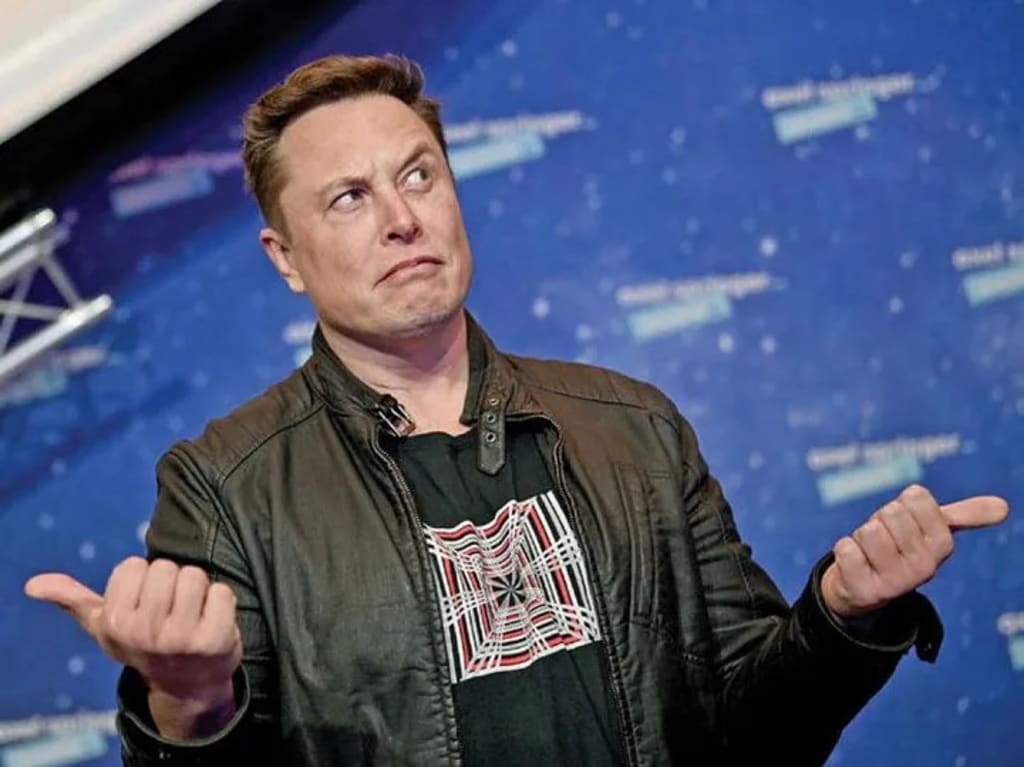
Elon Musk often dazzles the world with bold visions of a tech-driven future, but is his reputation as a genius truly deserved? His story involves incredible achievements, but a closer look reveals a more complex picture. Let’s dive into Musk’s career to separate fact from fiction and uncover the real foundation of his success.
1. Borrowed Brilliance: Musk and the Myth of Innovation
Musk didn’t invent Tesla. The electric vehicle giant was founded by Martin Eberhard and Marc Tarpenning in 2003. Musk entered the picture in 2004, using his wealth to gain influence. Over time, he shifted public perception, positioning himself as Tesla’s visionary founder. Similarly, SpaceX’s technical breakthroughs owe much to its engineers, who rarely share the limelight.
Innovation often relies on collaboration, but Musk’s narrative overshadows those contributions. Should “genius” exclude recognizing the talents of others? History is filled with innovators who stood on the shoulders of giants, but Musk’s approach often sidelines those giants entirely.
Moreover, Musk’s acquisition strategy extends beyond Tesla. His ventures often begin with pre-existing ideas that he refines and scales, such as Neuralink’s brain-machine interface technology or SolarCity’s renewable energy solutions. While this strategy demonstrates business acumen, it questions whether Musk’s role is that of a creator or an amplifier.
Musk’s questionable role as an innovator raises another question: how does he lead?
2. Management Style: Visionary or Tyrant?
Musk’s leadership is polarizing. Former employees describe grueling hours, high pressure, and a culture of fear at Tesla and SpaceX. Allegations of workplace harassment and discrimination further tarnish his image. For example, a 2022 lawsuit accused Tesla of ignoring racial abuse at one of its factories.
Great leaders inspire, but Musk often intimidates. Toxic environments can hinder innovation, even when ambitious goals are achieved. Does genius excuse poor management?
Not all criticism stems from employee testimonies. Analysts have questioned Musk’s tendency to set unrealistic deadlines, which creates chaos within teams. While tight schedules can drive productivity, they can also lead to burnout and mistakes. For instance, SpaceX’s aggressive testing timelines have occasionally resulted in high-profile failures. Leadership isn’t just about ambition; it’s about fostering sustainable success.
While Musk’s leadership draws criticism, his products also face scrutiny.
3. Flawed Products: The Tesla Dilemma
Tesla vehicles lead the electric revolution but suffer from reliability issues. Recalls, production delays, and customer complaints expose cracks in the brand. The Model 3, marketed as an affordable EV, faced significant quality control problems during its rollout.
An engineering genius would prioritize robust, reliable designs. While Tesla’s market dominance is undeniable, the execution often falls short of Musk’s lofty promises.
The issues aren’t confined to Tesla. SpaceX, while pioneering in reusable rockets, has faced criticism over its environmental impact and risks associated with its Starlink satellites. Critics argue that Musk’s rapid expansion prioritizes growth over thoughtful execution. Is this trade-off the hallmark of genius or recklessness?
Speaking of promises, let’s explore Musk’s history of ambitious but unmet claims.
4. The Problem with Promises
Musk excels at generating hype. From autonomous taxis by 2020 to Mars colonization within a decade, many of his bold predictions remain unrealized. For example, Neuralink’s promise of brain-machine interfaces has yet to produce significant breakthroughs.
Grand visions captivate, but broken promises erode credibility. A genius delivers results, not just dreams.
His promises often serve as tools to secure funding or maintain investor confidence. For instance, SpaceX’s ambitious Mars mission timelines have drawn billions in investment, despite their speculative nature. While ambition is necessary for progress, consistent overpromising risks undermining trust in Musk’s leadership.
Beyond promises, Musk’s communication strategy also raises eyebrows.
5. Twitter Storms: The Cost of Impulsiveness
Musk’s controversial tweets have sparked scandals and lawsuits. His 2018 tweet about taking Tesla private led to an SEC fine and his removal as chairman. More recently, his unfiltered remarks on politics and COVID-19 have alienated parts of his audience.
Strategic communication is vital for leaders. Musk’s impulsive behavior undermines his companies and public image. Would a true genius risk so much with careless words?
Musk’s reliance on Twitter as a megaphone has also created volatility in financial markets. Shareholders often grapple with sudden stock fluctuations tied to his offhand remarks. Effective leaders measure their words, understanding the weight they carry. Musk’s approach feels reckless rather than calculated.
So, if not genius, what defines Musk’s success?
6. Musk’s Real Superpower: Branding
Musk’s genius lies in self-promotion. He’s mastered the art of creating a narrative that captivates investors, customers, and media. By blending charisma with audacious goals, he ensures his ventures dominate public discourse.
However, branding is not the same as brilliance. Musk’s achievements owe much to the teams behind him and the public’s willingness to believe in his myth.
His ability to turn himself into a cultural icon is unparalleled. Whether it’s launching a car into space or appearing on podcasts, Musk understands the power of spectacle. Yet, this focus on image over substance often distracts from the real challenges his companies face.
7. Beyond the Myth: What’s Next for Musk?
As Musk’s ventures continue to grow, so do the stakes. Balancing ambition with execution will determine whether he cements his legacy as a true pioneer or a skilled opportunist. The public should demand accountability, ensuring Musk’s bold visions translate into tangible progress.
Investors, employees, and consumers must look beyond the persona to assess the real impact of his work. Collaboration, transparency, and humility will be key to maintaining momentum in the years to come.
Conclusion: Genius or Opportunist?
Elon Musk is a visionary entrepreneur but not a flawless genius. His success stems from leveraging others’ talents, embracing calculated risks, and mastering storytelling. Yet, his leadership flaws, product shortcomings, and unfulfilled promises suggest a more nuanced reality.
Rather than idolizing Musk, let’s celebrate the collective efforts driving innovation while holding leaders accountable for their actions. Genius should reflect not just brilliance but also integrity, execution, and humanity.
About the Creator
Alain SUPPINI
I’m Alain — a French critical care anesthesiologist who writes to keep memory alive. Between past and present, medicine and words, I search for what endures.
Keep reading
More stories from Alain SUPPINI and writers in Humans and other communities.
Mastering French Without Losing Your Sanity: A Realistic Guide for Beginners
Learning French can feel like solving a Rubik’s Cube blindfolded. The tricky pronunciation, the never-ending grammar rules, and the surprising exceptions make it seem impossible. But don’t worry—equipping yourself with key expressions and effective strategies can turn frustration into fluency. Let’s simplify French and make learning enjoyable.
By Alain SUPPINIExclusive • 11 months ago
Minnesota and Illinois Invoke the 10th Amendment in Lawsuits to Block Federal Agents in Their Cities — Here’s Why That Matters
States Push Back Against Federal Enforcement Minnesota and Illinois have launched high-profile lawsuits invoking the 10th Amendment of the US Constitution in an effort to block or limit the actions of federal agents—particularly immigration enforcement officers—operating within their cities. The legal challenges mark a significant escalation in the long-running conflict between state governments and Washington over who has the authority to enforce immigration laws and how far federal power can reach.
By Aarif Lashari5 days ago in Humans
How to Succeed at the Benson Directory®
Congratulations and welcome to the Benson Directory® employee #22391! As our newest call handler, you will have the privilege of speaking with dozens of unique and interesting people on a daily basis as well as the opportunity to earn bonuses for high performance. Contained within this handbook you will find a set of ease to follow instructions designed to help you settle in to your new role and begin paving the way to success.
By S. A. Crawford3 days ago in Fiction



Comments (1)
Indeed Musk is a genuine entrepreneur