
The Most Peaceful Country on Earth: A Look at Iceland
REVIEW

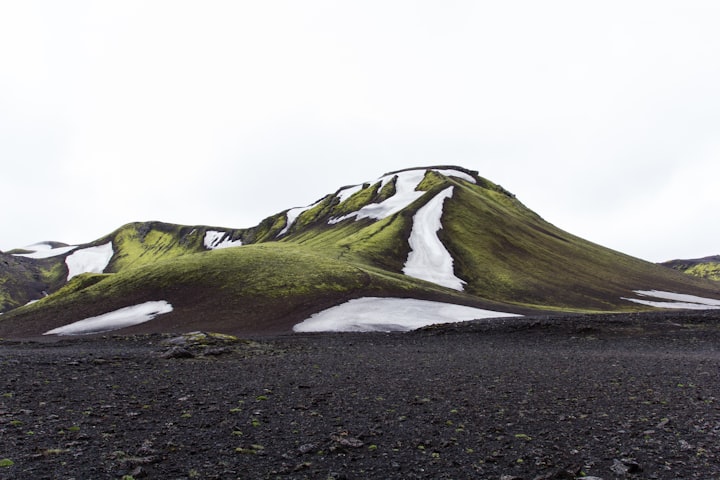
In a world often marked by conflict and unrest, Iceland stands out as a beacon of tranquility. Known for its stunning landscapes and unique cultural heritage, Iceland is frequently recognized as the most peaceful country on Earth. This accolade is not just a superficial label but is grounded in various factors that contribute to its exceptional peace and stability.
The Global Peace Index
To understand why Iceland is celebrated for its peace, it’s helpful to refer to the Global Peace Index (GPI), which is published annually by the Institute for Economics and Peace (IEP). The GPI evaluates countries based on various indicators, including levels of violence, conflict, incarceration rates, and access to weapons. Iceland consistently ranks at the top of this index, reflecting its remarkable stability and safety.
Low Crime Rates
One of the key reasons for Iceland's high peace ranking is its exceptionally low crime rate. The country boasts one of the lowest crime rates in the world, with violent crime being particularly rare. This safety can be attributed to several factors, including a strong sense of community, effective law enforcement, and comprehensive social services.
Iceland’s small population—approximately 370,000 people—fosters a tight-knit community where individuals are more likely to know their neighbors and build trust. The country’s emphasis on social welfare and rehabilitation rather than punitive measures also contributes to its low crime rates. This approach ensures that individuals who may find themselves in difficult situations receive the support they need rather than facing harsh penalties.
Strong Social Cohesion
Social cohesion plays a crucial role in maintaining peace, and Iceland excels in this regard. The country is known for its high levels of equality and social justice. Gender equality is a notable example, with Iceland consistently ranked as one of the leading nations in gender equality worldwide. The country has made significant strides in ensuring equal opportunities and representation for women, which contributes to a more harmonious society.
Iceland's emphasis on education and healthcare also supports social cohesion. With a well-developed welfare system, high-quality education, and universal healthcare, Iceland ensures that its citizens have access to essential services. This support helps to reduce social disparities and foster a sense of shared well-being.
Minimal Military Presence
Iceland’s commitment to peace is further reflected in its minimal military presence. The country does not maintain a standing army and relies on its membership in international organizations like NATO for defense. Instead, Iceland focuses its resources on diplomacy and international cooperation. This commitment to peaceful resolutions rather than military solutions aligns with its overall approach to maintaining harmony.
Environmental and Cultural Factors
Iceland’s natural environment also plays a role in its peaceful reputation. The country’s breathtaking landscapes—ranging from volcanic terrains to serene glaciers—create a tranquil backdrop for daily life. The natural beauty of Iceland contributes to a sense of well-being and connection to the land, which can have a calming effect on its inhabitants.
Additionally, Icelandic culture emphasizes community, equality, and respect for nature. The strong sense of identity and shared values among Icelanders fosters a collective commitment to maintaining peace and harmony. Cultural traditions and practices that prioritize cooperation and mutual support further enhance the country’s peaceful atmosphere.
Challenges and Future Outlook
Despite its impressive peace credentials, Iceland is not without challenges. Like any nation, it faces issues such as economic fluctuations and environmental concerns. However, the country’s commitment to addressing these challenges through collaborative and inclusive approaches helps to maintain its status as a peaceful nation.
Looking ahead, Iceland’s focus on sustainability, social justice, and international cooperation will be crucial in preserving its peace and stability. The country’s proactive stance on global issues, such as climate change and human rights, reflects its dedication to fostering a more peaceful world.
Conclusion
Iceland’s status as the most peaceful country on Earth is a testament to its low crime rates, strong social cohesion, minimal military presence, and unique cultural and environmental factors. The country’s commitment to peace is deeply ingrained in its policies and societal values, making it a model for how nations can prioritize harmony and stability. As the world continues to grapple with various challenges, Iceland’s example offers valuable insights into the potential for achieving and maintaining lasting peace.
About the Creator
When Americans Choose Travel As Lifestyle Over Stability
In the whole American history, the state of stability was regarded as the greatest aim to a successful life. Certain employment, a permanent house, regular habits and long-term strategies were the staples of what it was to make it. Security, social acceptance and a feeling of progress could be found in stability. To settle was to arrive. Travel, on the contrary, was a temporary affair a reward after work has been done.
By Tiana Alexandra6 days ago in Humans
The steps to losing a child
Step One: Lose a child. Not what anyone wants to happen and nothing you can do to change it, but you can go through steps to becoming happy again. You can go through steps to loving again. You can go through steps to become a new you because after losing a child you will never be the same person you once were.
By Tabitha Hinkley3 days ago in Fiction




Comments
There are no comments for this story
Be the first to respond and start the conversation.