
"The Mona Lisa's Enigmatic Gaze: Unveiling the Mystery of Missing Eyebrows"
The fact that The Mona Lisa has no eyebrows
Introduction:
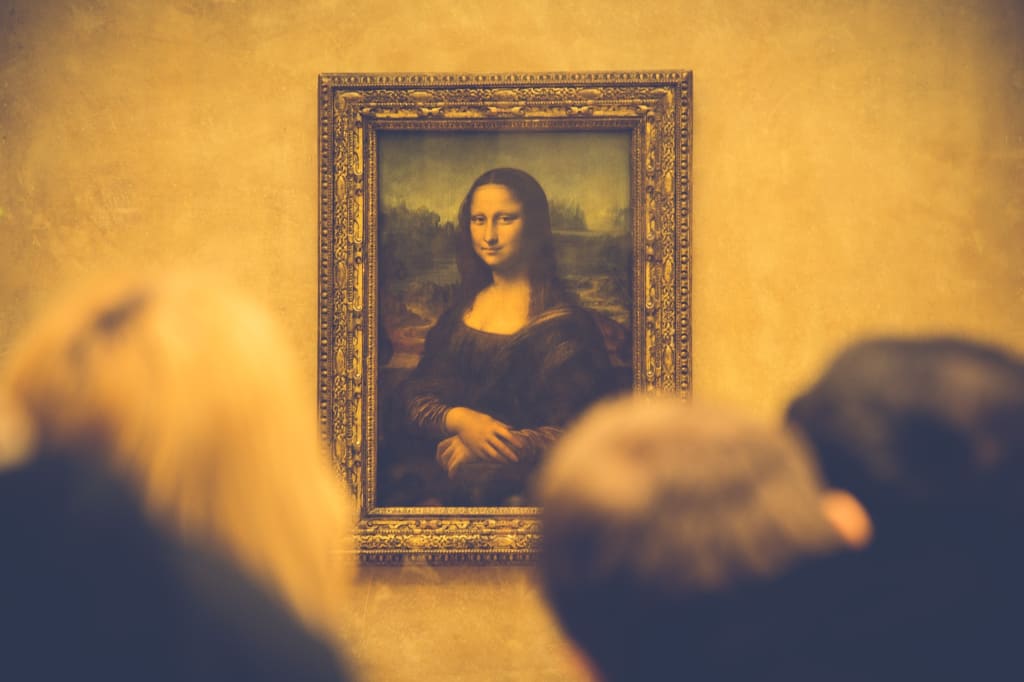
Leonardo da Vinci's masterpiece, the Mona Lisa, has enthralled art enthusiasts and captivated the world for centuries. Yet, amidst her enigmatic smile and captivating gaze lies a subtle detail that often goes unnoticed – the absence of eyebrows. The mysterious lack of these facial features has sparked speculation, theories, and debates among art historians and admirers alike. As we embark on a journey into the realms of art history, symbolism, and the nuances of portraiture, we unravel the mystique behind the Mona Lisa's intriguing choice to go browless.
Chapter 1: A Masterpiece Unveiled
Painted between 1503 and 1506, the Mona Lisa, also known as La Gioconda, stands as an icon of Renaissance art. Leonardo da Vinci's meticulous attention to detail, his mastery of light and shadow, and the subtle intricacies of expression have made this portrait one of the most celebrated and scrutinized works of art in history. Yet, it is the absence of eyebrows that adds an element of ambiguity to her visage.
Chapter 2: Artistic Techniques and Choices
Leonardo da Vinci, a polymath of unparalleled talent, approached his art with scientific curiosity and meticulous precision. In the case of the Mona Lisa, his choice to omit eyebrows may have been a deliberate artistic decision rooted in his observational studies of human anatomy and facial expressions. Some art historians posit that da Vinci recognized the subtle interplay of light and shadow on the forehead, and by omitting eyebrows, he allowed these effects to enhance the depth and realism of the painting.
Chapter 3: Symbolism and Aesthetic Choices
The absence of eyebrows in the Mona Lisa has sparked various interpretations regarding symbolism and aesthetic choices. Some suggest that da Vinci intentionally left the eyebrows out to create a sense of timelessness, allowing the viewer to project their own emotions and experiences onto the portrait. Others propose that the lack of eyebrows adds to the mysterious allure of the subject, emphasizing the enigmatic nature of her expression.
Chapter 4: Changing Beauty Standards
During the Renaissance, shifting beauty standards and cultural aesthetics influenced artistic representations of the human form. While contemporary viewers may find the absence of eyebrows peculiar, it aligns with the beauty ideals of da Vinci's era. Women of the Renaissance often plucked or shaved their eyebrows, believing it created a higher, more open forehead, which was considered a symbol of beauty and intelligence.
Chapter 5: Portrait Conventions and Techniques
The Mona Lisa, with her nuanced expression and lack of eyebrows, deviates from conventional portraiture of the time. Renaissance artists typically depicted subjects with meticulously detailed eyebrows, contributing to the realism of their works. Da Vinci, known for pushing artistic boundaries, chose to break with convention, employing a sfumato technique that blended colors seamlessly and created a soft transition between features, allowing the absence of eyebrows to become a subtler, integrated aspect of the portrait.
Chapter 6: The Power of the Unspoken
The Mona Lisa's missing eyebrows add an element of ambiguity and depth to her expression. Eyebrows, crucial in conveying emotions and expressions, are often associated with nonverbal communication. The absence of this facial feature in the painting leaves room for interpretation, allowing viewers to engage with the subject on a more personal and introspective level. The Mona Lisa's gaze becomes a mirror reflecting the emotions of those who gaze upon her.
Chapter 7: Restorations and Unveiled Secrets
Over the centuries, the Mona Lisa has undergone various restorations, raising questions about whether her original appearance included eyebrows. However, extensive studies and technological advancements, including high-resolution imaging and infrared reflectography, have provided insights into da Vinci's artistic process. These examinations suggest that the absence of eyebrows was indeed an intentional choice made by the artist.
Chapter 8: The Mona Lisa's Enduring Legacy
The enigma of the Mona Lisa's missing eyebrows continues to fuel fascination and intrigue. The painting's enduring popularity, coupled with its status as a cultural and artistic treasure, ensures that debates about its subtleties persist. The Mona Lisa's gaze, unencumbered by eyebrows, beckons viewers into a timeless dialogue about art, beauty, and the power of the unspoken.
Conclusion: Beyond the Brushstrokes
As we gaze upon the Mona Lisa, we are drawn into the captivating world of da Vinci's artistic mastery and the nuanced choices he made in portraying his subject. The absence of eyebrows, whether a result of artistic experimentation, changing beauty standards, or a deliberate symbol of ambiguity, adds layers of complexity to the painting. The Mona Lisa, with her enigmatic smile and browless gaze, invites us to appreciate the subtle artistry and enduring allure of a portrait that transcends time, leaving us to ponder the mysteries that linger beyond the brushstrokes.
About the Creator
Keep reading
More stories from fatima zahra ajankar and writers in Humans and other communities.
"The Colorful History of Oranges: Unveiling the Surprising Palette of Citrus Evolution"
Introduction: Oranges, with their vibrant and sun-kissed hue, have long been synonymous with the color that bears their name. However, the journey of oranges through history reveals a surprising twist – these citrus fruits weren't always orange. As we peel back the layers of time, we uncover the colorful evolution of oranges, tracing their roots to ancient lands and exploring the fascinating reasons behind their changing hues.
By fatima zahra ajankar2 years ago in Humans
Whiskey At Dusk
Guess the whiskey was more important to you in the end, wasn’t it? It was more than the well-being of your friends; more vital than showing up to the places you promised you would and could come to; more critical of a matter than fulfilling your damn responsibilities and getting the press off your back.
By Snarky Lisa2 days ago in Humans
How Dual Diagnosis Treatment in North Carolina Helps Recovery
Recovery from substance use is rarely a one dimensional process. Many individuals struggling with addiction also face underlying mental health conditions that complicate treatment and increase the risk of relapse. When these conditions are treated separately or ignored altogether, recovery becomes far more difficult to sustain. This is where dual diagnosis treatment plays a critical role.
By Jordan Blake3 days ago in Humans
Affection and Healing for Yourself
During the night of the last quarter moon, I gathered my ritual supplies. I carefully handled the chunk of black tourmaline that would protect me from your overall negative and narcissistic energy. I carefully walked the house with my stick of selenite in hand, asking the universe to cleanse our working space.
By Alisha Wilkins ✒️🦋🖋️7 days ago in Fiction



Comments
There are no comments for this story
Be the first to respond and start the conversation.