
The Meat We Eat: Unpacking the Journey from Farm to Fork
Understanding the Impact of Meat Consumption on Health, Environment, and Society

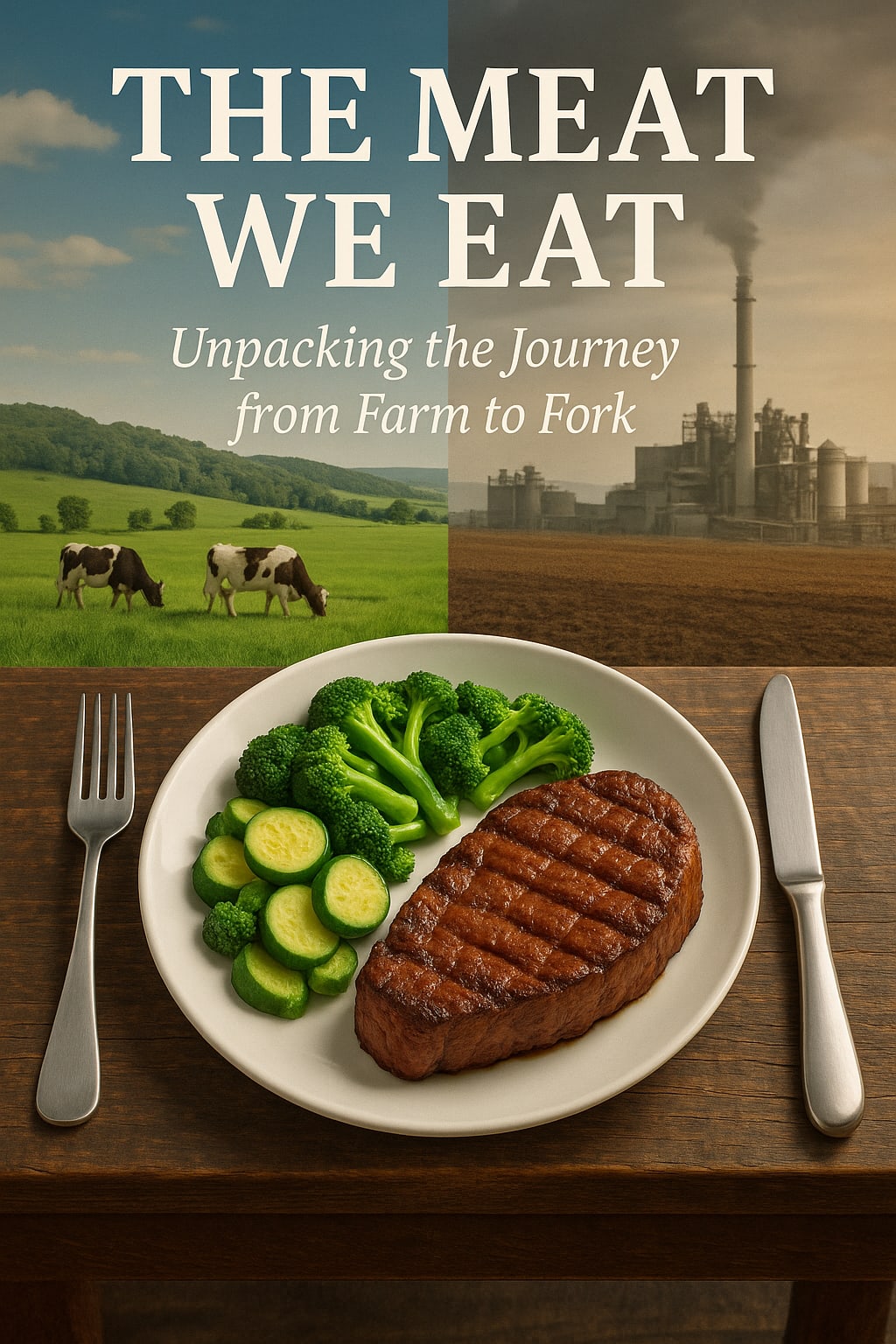
Meat has long been a staple in the diets of many cultures around the world. From sizzling steaks to juicy burgers, meat is often seen as a source of pleasure, tradition, and vital nutrition. However, the journey of meat from farm to fork involves much more than what ends up on our plates. As our global population grows and consumption patterns evolve, it becomes increasingly important to understand the broader implications of the meat we eat—on our health, the environment, and the social systems that support its production.
The Nutritional Value of Meat
One of the most commonly cited benefits of meat is its high nutritional value. Meat is a rich source of essential nutrients, particularly protein, which is necessary for muscle repair, immune function, and overall body maintenance. It also provides critical micronutrients such as iron, zinc, and B vitamins—especially B12, which is difficult to obtain from plant-based sources alone.
Red meat, such as beef and lamb, contains heme iron, which is more easily absorbed by the body than non-heme iron found in plant foods. This makes meat especially beneficial for individuals at risk of iron deficiency. Poultry and fish also offer lean sources of protein and are generally lower in saturated fat than red meats.
However, not all meat is created equal, and excessive consumption of certain types of meat, especially processed meats like sausages, bacon, and deli meats, has been linked to health concerns. Research from the World Health Organization (WHO) suggests that consuming high amounts of processed meat may increase the risk of colorectal cancer and cardiovascular disease. Therefore, moderation and balance are key when incorporating meat into a healthy diet.
The Environmental Footprint of Meat Production
While meat provides undeniable nutritional benefits, its production takes a significant toll on the environment. Livestock farming is one of the largest contributors to greenhouse gas emissions, deforestation, and water pollution globally. According to the Food and Agriculture Organization (FAO) of the United Nations, the livestock sector is responsible for approximately 14.5% of all anthropogenic greenhouse gas emissions—more than all the world’s cars, planes, and trains combined.
Cattle, in particular, are among the most resource-intensive animals to raise. They require large amounts of land for grazing or growing feed crops, and they produce methane, a potent greenhouse gas, during digestion. The environmental impact is further exacerbated by the use of synthetic fertilizers and pesticides in feed production, which can contaminate water sources and degrade soil quality.
In contrast, plant-based protein sources such as legumes, nuts, and grains require fewer resources and produce significantly fewer emissions. This has led to a growing movement advocating for reduced meat consumption or a shift toward more sustainable meat alternatives, such as lab-grown meat and plant-based protein products.
Ethical and Social Considerations
Beyond health and environmental concerns, meat consumption also raises important ethical and social questions. The conditions in which animals are raised—often in confined, industrial-scale facilities—have drawn criticism from animal welfare advocates. Issues such as overcrowding, inhumane slaughter practices, and the use of antibiotics and hormones in animal farming are prompting consumers to demand greater transparency and better standards.
Additionally, the meat industry plays a complex role in the global economy. It provides livelihoods for millions of farmers, workers, and business owners. In many developing countries, livestock is an important source of income, food security, and cultural identity. Therefore, any changes in consumption patterns or regulations must consider the economic and social ramifications for communities that depend on animal agriculture.
The Future of Meat Consumption
As awareness grows around the various impacts of meat consumption, people are exploring new ways to enjoy meat responsibly. This includes eating smaller portions, choosing higher-quality meat from ethical and sustainable sources, and incorporating more plant-based meals into their diets.
Innovations in food technology are also paving the way for alternatives that aim to replicate the taste and texture of meat without the associated environmental and ethical concerns. Lab-grown meat, for instance, is produced from animal cells without the need for raising and slaughtering animals. While still in the early stages of commercialization, such alternatives hold promise for reducing the ecological footprint of meat consumption.
In conclusion, the meat we eat is more than just a dietary choice—it reflects our values, impacts our planet, and shapes the lives of people around the world. By making informed and thoughtful decisions about meat consumption, we can work toward a more sustainable and compassionate food system that supports both human and planetary health.
About the Creator
Keep reading
More stories from Muhammad Farhad Khan and writers in Humans and other communities.
The Day I Stopped Chasing Happiness
For years, I was always chasing something. A better job. A better body. A better version of myself. I had this belief that once I fixed everything in my life, I’d finally be happy. So I kept running — through achievements, relationships, and endless self-improvement routines.
By Muhammad Farhad Khan7 months ago in Humans
I Saved My Family from a House Fire
It was November, and it had been just a handful of weeks since I’d moved up to senior school. I was only eleven and wouldn’t be twelve until the following June. I had spent the recent long summer holidays, carefree, happy, and, for the last time, playing with my old friends. But my twin brother and I were both ecstatic to have left junior school far behind us.
By Chantal Christie Weissabout 5 hours ago in Humans



Comments
There are no comments for this story
Be the first to respond and start the conversation.