
The Lost Art of Communication in a Digital Age
Connected online, disconnected in real life

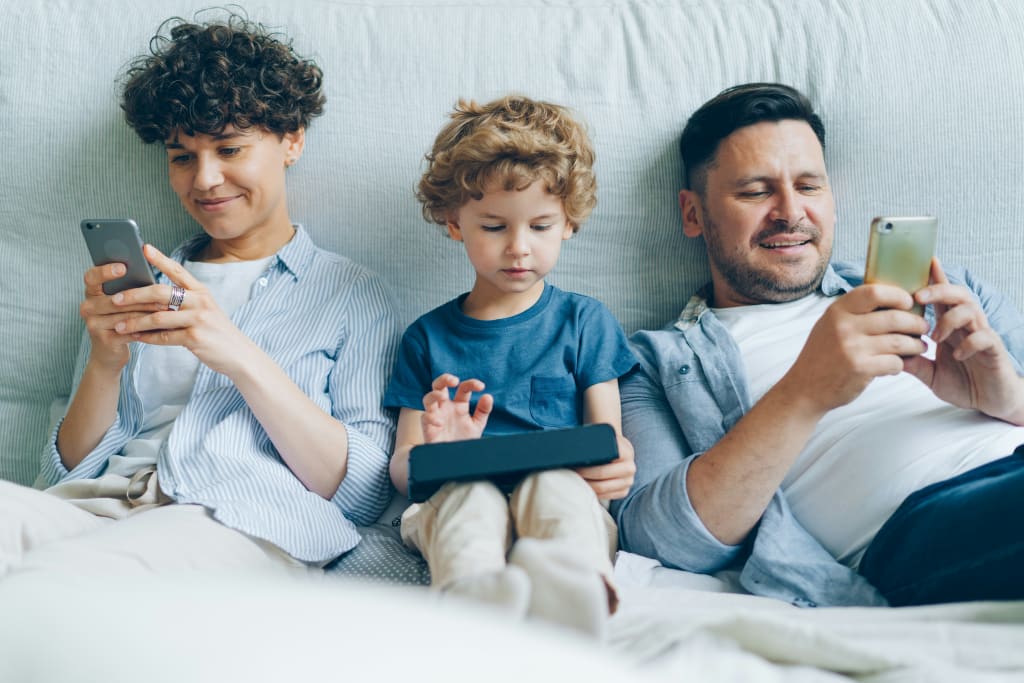
There was a time when conversation meant presence — looking someone in the eyes, hearing the rise and fall in their voice, feeling their words more than just hearing them. Today, our voices have grown quieter, even though our notifications never stop buzzing. We are constantly “connected,” yet so many of us have never felt more alone.
We text faster than we think, reply with emojis instead of emotions, and “like” instead of listening. Somewhere between instant messaging and endless scrolling, we misplaced one of the most beautiful parts of being human — real communication.
A World of Messages but Few Conversations
Think about your last deep talk — not a chat about weekend plans or memes, but a real conversation. The kind where you lose track of time, where silence feels comfortable, and you walk away feeling understood.
Now think about how often that happens anymore.
We spend hours replying to texts, yet rarely pause long enough to ask, “How are you, really?” Our phones keep us updated but not truly connected. We know what someone had for breakfast but not what’s weighing on their heart.
Technology has made it easier to reach people, but harder to reach into them.
The Illusion of Connection
It’s easy to mistake activity for connection.
We are in group chats, video calls, and comment sections all day long — but much of it is surface-level. There’s a comfort in staying behind a screen. It’s safer, cleaner, easier to type than to talk.
But something vital is lost when we trade real voices for digital ones.
Body language, tone, eye contact — these subtle cues carry empathy. A friend’s sigh tells you what words can’t. A hug ends an argument that a dozen texts could never solve. Yet now, we hide behind “I’m busy” or a heart emoji, convincing ourselves it’s enough.
We’ve built a digital world where communication is constant — but connection is optional.
Stories We All Know Too Well
There’s the couple who text each other all day but sit silently at dinner.
The friends who share memes but haven’t truly talked in months.
The parent who hears their teen say “I’m fine” through a closed bedroom door, while the glow of a phone screen reveals a world they’re locked out of.
These moments are everywhere — quiet, familiar, and heartbreaking. We don’t mean to drift apart; we just forget how to stay close.
Why It Matters
Human communication isn’t just about words; it’s how we understand each other’s souls. It’s how trust grows, how empathy develops, how love deepens. Without it, relationships begin to feel mechanical — polite, efficient, but empty.
Our mental health suffers, too. Loneliness is rising, even as we share more than ever online. We crave validation, but what we truly need is understanding — to be heard, not just followed.
Bringing Back the Lost Art
The good news? We can reclaim it.
Start with small, human moments — phone-free meals, handwritten notes, or spontaneous calls instead of texts. Look up from the screen and really see the people around you. Ask questions that can’t be answered with an emoji.
When a friend speaks, listen without multitasking. When someone opens up, don’t rush to fix — just be there. That’s how connection grows back: slowly, quietly, through care and attention.
Even in a digital age, the art of communication isn’t gone — it’s just waiting for us to remember it.
The Beauty of Being Present
Maybe the real message isn’t in the message at all — it’s in the moment.
When we pause to listen, when we let silence stretch comfortably, when we talk not to reply but to understand — that’s when we rediscover what being human truly feels like.
Because at the end of the day, we don’t need more messages.
We need more meaning
About the Creator
Manal
Storyteller,dreamer and lifelong learner,I am Manal.I have 3 year experience of artical writing.I explore ideas that challenge,inspire and spark conversation.Jion me on this journey of discovery.
Follow me on Pinterest @meenaikram918
Smart Ways Singles Overcome First Impression Pressure In Modern Dating
Prejudices are of disproportionate significance in contemporary dating. Single people might put immense pressure on capturing the interest of the opposite sex by making an impression of being attractive, confident or entertaining during the first few engagements. This pressure may provoke anxiety and self-consciousness and overthinking, and it even leads to people acting unnaturally or losing faith in themselves.
By Robert Smith2 days ago in Humans



Comments (1)
great